Work Zone Speeding Ticket in NC: What Changes and Why It Matters
Receiving a work zone speeding ticket in NC can feel like a surprise, and the rules around them aren't always clear. These zones are set up to protect workers and drivers, but getting caught speeding in one can lead to more than just a fine. Understanding what happens after you get a work zone speeding ticket NC is important, as it affects your license, insurance, and even your driving record.
Key Takeaways
- A work zone speeding ticket in NC carries stricter penalties than a regular speeding ticket due to increased safety concerns.
- These tickets can lead to driver's license points, higher insurance premiums through the Safe Driver Incentive Plan (SDIP), and potentially impact your driving record long-term.
- Recent changes in North Carolina law, effective July 1, 2025, have extended lookback periods for certain violations, meaning past tickets could affect insurance rates for longer.
- Options like reducing a ticket to an improper equipment violation may be available, but eligibility depends on factors like your speed and driving history, and these options can be county-specific.
- Hiring an attorney is often recommended to understand complex insurance laws, protect your driving record, and explore the best defense options for your specific work zone speeding ticket NC.
Understanding Work Zone Speeding Tickets in NC
What Constitutes a Work Zone Violation?
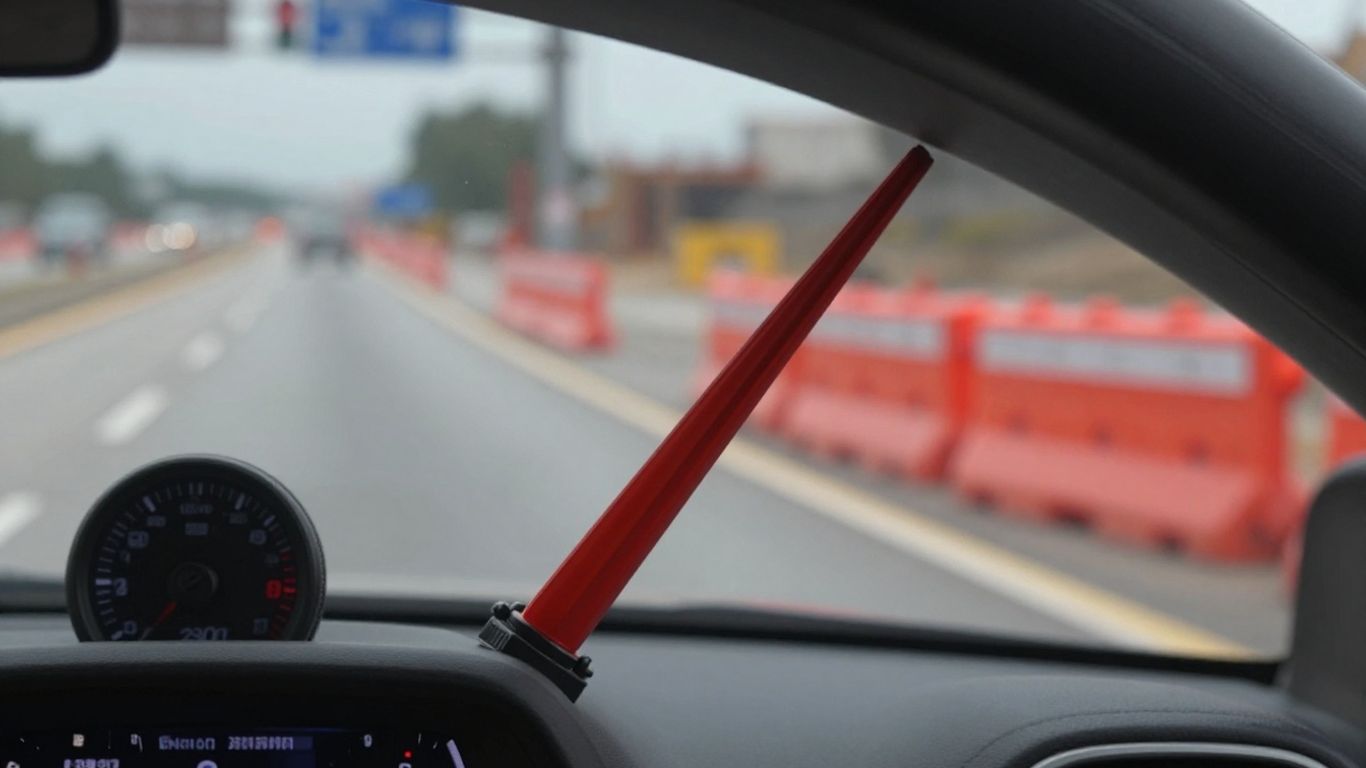
A work zone violation occurs when you exceed the posted speed limit within a designated construction or maintenance area on North Carolina roadways. These zones are clearly marked with signs indicating reduced speed limits, and often feature flashing lights or cones to alert drivers. It's important to remember that these reduced limits are in effect even if workers are not present. The purpose of these zones is to protect both the workers and the traveling public from the hazards associated with road construction. Violations can include speeding, but also other offenses like failing to obey traffic control devices within the zone.
Increased Penalties for Work Zone Offenses
North Carolina law imposes stricter penalties for speeding tickets issued in work zones compared to standard speeding violations. This is because these areas present a heightened risk. The fines are typically higher, and the potential for accumulating license points is also greater. In some cases, exceeding the work zone speed limit by a significant margin can lead to more serious charges.
Why Work Zone Speeding Tickets Matter
Work zone speeding tickets matter for several reasons. Firstly, they directly impact your driving record and can lead to increased insurance premiums. Secondly, they carry a greater financial burden due to higher fines. Most importantly, these tickets highlight a disregard for the safety of road workers and other drivers. Failing to slow down in a work zone puts lives at risk. Understanding the specific penalties and consequences is key to addressing these violations effectively. You can find more information about general speeding ticket consequences here.
- Increased Fines: Expect higher monetary penalties than a standard speeding ticket.
- License Points: Accumulating points on your license can lead to suspension.
- Insurance Hikes: Your auto insurance rates are likely to increase.
- Safety Risk: These zones are dangerous, and speeding endangers lives.
NC Work Zone Speeding Ticket Consequences
Receiving a speeding ticket in a North Carolina work zone carries specific penalties that you should be aware of. These aren't just minor inconveniences; they can impact your finances, your driving privileges, and even your insurance rates.
Fines and Court Costs
When you're cited for speeding in a work zone, the fines are typically higher than for a standard speeding ticket. North Carolina law doubles the fine for offenses committed in a designated work zone. On top of the base fine, you'll also be responsible for various court costs and fees. These can add up quickly, making the total cost of the ticket significantly more than you might initially expect.
The exact amount will depend on how fast you were going and the specific county where the ticket was issued.
Driver's License Points
In North Carolina, traffic violations can result in points being added to your driving record. Speeding in a work zone is no exception. Accumulating too many points can lead to serious consequences, including the suspension of your driver's license. It's important to understand how these points work and how they affect your ability to drive legally. For instance, a single work zone ticket could put you closer to a suspension than you realize, especially if you have prior violations. You can check your driving record for current point status.
Insurance Premium Increases
Your auto insurance company will likely view a work zone speeding ticket as a significant risk. This can lead to an increase in your insurance premiums. Insurers use your driving record to assess risk, and violations, particularly those in safety-sensitive areas like work zones, signal a higher likelihood of future claims. This increase can be a long-term financial burden, affecting your budget for years to come. Some tickets might not directly add points but can still influence your rates, especially with the new lookback periods. For example, a ticket in Apex, NC, could affect your rates.
Paying a ticket is often seen as admitting guilt. This can trigger insurance rate hikes and add points to your license, even if you think the ticket is minor. It's wise to consider all options before simply paying the fine.
Impact on Your North Carolina Driving Record
Accumulating License Points
Getting a work zone speeding ticket in North Carolina adds points to your driving record. These aren't just abstract numbers; they're tracked by the DMV and serve as a measure of your driving history. Each moving violation, including a work zone speeding ticket, contributes to this tally. Accumulating too many points can lead to serious consequences for your ability to drive.
Potential for License Suspension
North Carolina has specific point thresholds that can trigger a driver's license suspension. If you accumulate a certain number of points within a set timeframe, the DMV will likely move to suspend your license. For example, 12 points in three years can lead to suspension. A work zone ticket, especially if you have prior violations, can push you closer to this limit.
Long-Term Effects of Violations
Beyond immediate points and potential suspension, a work zone speeding ticket can have lasting effects. Your driving record is a permanent document. Even after points are removed or a suspension is over, the record of the violation remains. This can impact future insurance rates, and in some cases, even employment opportunities if driving is a requirement of your job. It's a mark on your record that can follow you for years.
Insurance Implications of a Work Zone Ticket
A work zone speeding ticket in North Carolina can do more than just empty your wallet with fines. It can significantly impact your auto insurance rates, often for years to come. Understanding how these tickets affect your policy is key to managing the long-term financial fallout.
The Safe Driver Incentive Plan (SDIP)
North Carolina uses the Safe Driver Incentive Plan (SDIP) to adjust insurance premiums based on your driving record. Essentially, it's a system that rewards safe drivers with lower rates and penalizes those with violations by increasing premiums. A work zone ticket is considered a moving violation and will likely trigger a surcharge under this plan.
How Work Zone Tickets Affect Insurance Rates
When you receive a work zone speeding ticket, your insurance company will typically assess a surcharge. The amount of the increase depends on several factors, including the severity of the violation and your prior driving history. For many drivers, a single work zone ticket can lead to a substantial increase in their insurance premiums, sometimes by 45% or more. This surcharge is applied through the SDIP and can remain on your policy for a set period.
New Lookback Periods for Insurance
Recent changes in North Carolina law have extended the
Navigating the Legal Process for Work Zone Tickets
Receiving a work zone speeding ticket in North Carolina means you're facing a situation with potentially higher stakes than a standard traffic violation. Understanding how the legal system handles these tickets is your first step toward managing the consequences.
Court Appearances and Administrative Sessions
Most traffic violations, including work zone tickets, are initially handled in administrative court sessions. In many counties, this means appearing in a specific courtroom where Assistant District Attorneys (ADAs) are available to discuss cases. These sessions are often busy, with hundreds of cases processed daily. It's important to remember that the ADA represents the State of North Carolina, not your interests. They cannot offer legal advice or explain how a particular outcome might affect your insurance or driving record.
- Be Prepared: Arrive early to allow time for parking and security. Know your court date and time.
- Understand the Setting: These are administrative sessions, not trials. Police officers typically do not appear, so dismissals based on officer non-appearance are not an option here.
- Know Your Options: While ADAs can discuss potential resolutions, they will not advise you on the best course of action for your specific situation.
Negotiating with Prosecutors
Negotiating with prosecutors is a common way to resolve traffic tickets. In administrative sessions, you or your attorney may have the opportunity to discuss your case with an ADA. The goal is often to seek a reduction in the charge or a dismissal. However, prosecutors are experienced professionals focused on securing convictions for the state. They handle a high volume of cases and may not have the time or inclination to delve into the specifics of how a particular resolution will impact your insurance rates or driving record.
Key Point: Any discussion with a prosecutor should be approached with the understanding that they represent the state's interests. They are not your advocate.
The Role of an Attorney
Given the complexities of traffic law and the potential impact on your driving record and insurance, seeking legal representation is often advisable. An attorney can help you understand the specific charges, review the evidence, and explore all available defense options. They are familiar with local court procedures and can negotiate more effectively on your behalf. For instance, if you're dealing with a speeding ticket in Wake Forest, NC, an attorney can help challenge the state's proof by scrutinizing speed measurement devices and officer observations. This is particularly important for work zone tickets, which carry enhanced penalties.
- Expertise: Attorneys understand North Carolina traffic laws and court procedures.
- Advocacy: They can represent your interests and negotiate with prosecutors.
- Record Protection: They can help you pursue resolutions that minimize points on your license and avoid insurance increases.
Options for Resolving Your Work Zone Ticket

When you receive a work zone speeding ticket in North Carolina, you have several paths forward. Simply paying the ticket might seem like the quickest solution, but it's important to understand what that action truly means. Paying the fine is generally considered an admission of guilt. This can lead to points on your driving record and potentially higher insurance premiums down the line. It's a decision that carries consequences beyond the initial fine.
Paying the Ticket: Admission of Guilt
Paying the ticket is the most straightforward option, but it comes with significant implications. By submitting payment, you are admitting to the violation. In North Carolina, this often means:
- Points added to your driving record: These points can accumulate and affect your driving privileges.
- Increased insurance rates: Your insurance company will likely view this as an increased risk.
- A permanent mark on your driving history: This can impact future legal proceedings or employment opportunities.
Before you pay, consider if this is the best long-term outcome for your situation. For some drivers, especially those with a clean record, paying might seem like the easiest way out, but it can lead to more costly problems later. If you're in Holly Springs, NC, and considering this, remember that hiring an attorney can help reduce the charge, potentially to a non-moving violation like improper equipment, which avoids points and insurance hikes [6d1a].
Seeking a Reduction to Improper Equipment
An alternative to simply paying the ticket is to seek a reduction to an
Ineligibility for Certain Ticket Reductions
Speeding Significantly Over the Limit
When you're facing a work zone speeding ticket in North Carolina, not all options for reducing the charge are available to everyone. One major factor is how fast you were going. If your speed was excessively over the posted limit, especially in a work zone, prosecutors may be unwilling to offer a reduction. This is because these situations are viewed as more serious and pose a greater risk to highway workers and other drivers. North Carolina law often has specific thresholds for what is considered excessive speeding, which can impact plea negotiations. For instance, exceeding the speed limit by a large margin, or driving at a speed that is deemed reckless, can remove certain avenues for resolution, like a reduction to an improper equipment violation.
Prior Moving Violations
Your driving history plays a big role in whether you can get a reduction on a work zone speeding ticket. If you have a record with several recent moving violations, it can make it much harder to negotiate a favorable outcome. Prosecutors and judges look at your history to gauge your reliability as a driver. Multiple prior tickets, especially those within the last few years, can signal to the court that you haven't learned from past mistakes. This can lead to a less lenient approach when considering plea deals or reductions. It's not uncommon for counties to have policies that limit reductions for drivers with a history of moving violations, making it harder to avoid points and insurance increases.
County-Specific Policies
It's important to know that how traffic tickets are handled can differ from one North Carolina county to another. Each District Attorney's office has its own set of internal policies regarding plea bargains and reductions. What might be a common reduction in one county could be unavailable in another. These policies are often influenced by local priorities and the volume of cases. For example, some counties might be more willing to offer reductions to improper equipment for minor speeding offenses, while others might be stricter, especially with work zone violations. Understanding these local traffic ticket rules is key, and often requires the insight of an attorney familiar with the specific county where your ticket was issued.
The goal of work zone laws is to protect the lives of construction workers and drivers. When you speed in these areas, you're not just risking a ticket; you're increasing the danger for everyone. Courts and prosecutors often take a firm stance on these violations due to the inherent risks involved.
Here's a general idea of what might make reductions less likely:
- Excessive Speed: Driving significantly over the posted speed limit, particularly in a work zone.
- Recent Violations: A history of moving violations within the past three to five years.
- Type of Violation: Certain serious offenses may not be eligible for standard reductions.
- County Policies: Local prosecutorial guidelines that restrict plea options.
The Importance of Legal Representation
Understanding Complex Insurance Laws
Dealing with a work zone speeding ticket in North Carolina involves more than just paying a fine. The state's insurance laws, particularly the Safe Driver Incentive Plan (SDIP), can significantly impact your premiums. Understanding how these laws apply to your specific situation is where legal representation becomes invaluable. Insurance companies use complex formulas and lookback periods to determine your rates, and a single conviction, even for a seemingly minor offense, can lead to substantial increases over time. An attorney familiar with these regulations can explain how a conviction might affect your SDIP points and what that means for your future insurance costs. They can also advise on options that might mitigate these effects, such as seeking a reduction to a non-point offense or exploring alternatives like a Prayer for Judgment Continued (PJC), if eligible. This knowledge is key to making informed decisions that protect your financial future.
Protecting Your Driving Record
Your driving record is a reflection of your history behind the wheel. Accumulating points from traffic violations, including work zone speeding tickets, can have serious consequences. In North Carolina, too many points can lead to license suspension. Furthermore, a damaged driving record can make it difficult to obtain or maintain employment that requires driving. Legal counsel can help you understand the potential points associated with your ticket and work towards resolutions that keep your record clean. This might involve negotiating with the prosecutor for a dismissal, a reduction to a lesser offense, or exploring other legal avenues. The goal is to minimize the impact on your license and your ability to drive legally. For instance, if you're facing a traffic charge, an attorney can appear in court on your behalf, saving you time and hassle.
Maximizing Your Defense Options
Every traffic case is unique, and the best defense strategy depends on the specifics of your situation. This includes the exact speed alleged, the location of the work zone, your prior driving history, and any potential issues with the citation itself. A qualified attorney can thoroughly review the evidence, identify any procedural errors, and assess the strength of the prosecution's case. They can then advise you on the most effective defense strategy, which might range from challenging the evidence to negotiating a favorable plea agreement. Prosecutors represent the state, not you, and cannot offer advice on how a conviction might affect your insurance or driving record. Having a legal professional in your corner ensures that your rights are protected and that you explore every possible avenue for a positive outcome. When you're facing North Carolina traffic court, seeking legal counsel is especially important for serious offenses which carry significant penalties.
Recent Changes Affecting Traffic Violations in NC
North Carolina has updated some rules regarding traffic violations, and it's good to know what's new. These changes can affect how tickets are handled and what consequences you might face, especially when it comes to your insurance.
Updated Insurance Liability Limits
While not directly tied to speeding tickets, North Carolina has adjusted its minimum liability insurance requirements. This means the baseline coverage drivers must carry has increased. It's a good reminder to review your own policy to ensure you meet or exceed these new minimums, protecting yourself financially in case of an accident.
Extended Lookback Periods for Specific Violations
This is a big one for insurance rates. Previously, insurance companies typically looked back three years when assessing your driving record for rate increases. Now, for certain violations, that period has been extended.
- Speeding 10 mph or less over the limit: If you get a ticket for this on or after July 1, 2025, your insurance company can look back five years instead of three.
- Prayer for Judgment Continued (PJC): If you receive a PJC for these specific violations on or after July 1, 2025, the five-year lookback period also applies.
This means a single ticket, even a minor speeding one, could potentially impact your insurance premiums for a longer duration. It's important to understand that most other traffic violations still fall under the standard three-year lookback period.
The shift to a five-year lookback for certain offenses means that past driving behavior, even from several years ago, can now have a more immediate and prolonged effect on your insurance costs. This emphasizes the importance of maintaining a clean driving record over the long term.
New Surcharges for Inexperienced Drivers
New drivers, or those with less experience, may face new surcharges. These are additional costs added to insurance policies for drivers deemed higher risk. While the specifics can vary, the intent is to align insurance costs more closely with the perceived risk associated with less experienced drivers. This could mean higher premiums for younger drivers or those who have only recently obtained their license.
Understanding these changes is key to managing your driving record and insurance costs effectively. If you've received a ticket in Lillington or Harnett County, for example, it's wise to address it promptly to avoid unintended consequences when dealing with traffic violations.
Avoiding Future Work Zone Speeding Tickets
Awareness of Posted Speed Limits
Paying attention to speed limits is always important, but it becomes even more critical when you see signs indicating a work zone ahead. These limits are often lower than the regular speed limit for a reason – to protect workers and drivers. Always be prepared to slow down as soon as you see those orange signs. Don't wait until you're already in the zone. Many drivers get tickets because they were going too fast for the conditions or simply didn't react quickly enough to the reduced speed limit. Keep your eyes on the road and the signs, not just your speedometer.
Understanding Work Zone Signage
Work zones have specific signage that you need to recognize. This includes not only the reduced speed limit signs but also signs warning you about lane shifts, construction ahead, or workers present. Sometimes, these signs are placed further in advance to give you more time to adjust your speed and position. Ignoring these signs or treating them as suggestions is a common mistake that leads to tickets. Familiarize yourself with what these signs mean and how they apply to your driving. For instance, a sign indicating "Road Work Ahead" means you should anticipate changes in traffic patterns and speed.
Safe Driving Practices
Beyond just watching for signs, adopting safer driving habits can prevent work zone tickets. This means maintaining a safe following distance, especially in areas where traffic might slow unexpectedly. Avoid distractions like your phone; your full attention is needed when navigating potentially changing road conditions. If you're unsure about the speed limit or what to do, it's better to err on the side of caution. Remember, the goal is to get through the work zone safely, not just to maintain your original speed. If you do receive a ticket, understanding your options, like seeking a reduction to an improper equipment offense, can be beneficial, though eligibility varies county-specific policies.
Work zone tickets carry steeper penalties because they put lives at risk. The reduced speeds are there for a reason, and failing to comply can have serious consequences beyond just a fine. Being mindful of your surroundings and driving defensively is key to avoiding these citations and keeping everyone safe.
Want to avoid getting a ticket for speeding in a work zone? It's easier than you think! Always pay attention to the signs and slow down when you see them. Following these simple rules can save you a lot of trouble and money. For more tips on staying safe and legal on the road, visit our website today!
What This Means For You
Getting a work zone speeding ticket in North Carolina isn't just about paying a fine. The rules around traffic violations, especially concerning insurance and your driving record, are changing. It's easy to think paying the ticket is the simplest way out, but that often means admitting guilt and facing higher insurance costs down the road. With new lookback periods and other adjustments, understanding how a ticket impacts you long-term is more important than ever. Don't just guess what might happen; know your options. Consulting with a traffic attorney can help you understand the specific consequences for your situation and guide you toward the best way to handle your ticket, potentially saving you money and trouble in the future.
Frequently Asked Questions
What exactly is a work zone speeding ticket in North Carolina?
A work zone speeding ticket in North Carolina is given when you drive faster than the posted speed limit in an area where road work is happening. These zones are marked with signs, and the speed limit is often lower to keep workers and drivers safe. Even going a little over the limit can lead to a ticket.
Are the penalties for speeding in a work zone different from regular speeding tickets?
Yes, they are. North Carolina has stricter rules for work zone speeding tickets. This means you could face higher fines, more points on your driver's license, and potentially a bigger impact on your car insurance rates compared to a regular speeding ticket.
How do work zone speeding tickets affect my car insurance?
Getting a work zone speeding ticket can cause your car insurance premiums to go up. Insurance companies see these tickets as a sign of riskier driving. Depending on the ticket and your driving history, this could mean paying more for insurance for several years.
Can a work zone speeding ticket lead to losing my driver's license?
While a single work zone speeding ticket might not immediately cause your license to be suspended, accumulating too many points on your license from any moving violations, including work zone tickets, can lead to suspension. It's important to manage these tickets carefully.
What is an 'Improper Equipment' offense, and can it help with a work zone ticket?
An 'Improper Equipment' offense is a way to handle certain traffic tickets without getting points on your license or affecting your insurance. While it's not a guaranteed option for every work zone ticket, an attorney might be able to help you get your charge reduced to this if you qualify, especially if your speed wasn't excessively high.
How long do traffic violations, like work zone speeding, stay on my driving record for insurance purposes?
For most traffic violations, insurance companies look back three years to see your driving history. However, North Carolina has introduced new rules where certain violations, including speeding 10 mph or less over the limit and some other outcomes, might be viewed over a five-year period starting July 1, 2025. This means past tickets could affect your rates for longer.
Should I hire a lawyer for a work zone speeding ticket in NC?
Hiring a lawyer can be very beneficial. An attorney understands the complex traffic laws and insurance rules in North Carolina. They can help you understand your options, negotiate with prosecutors, and work to protect your driving record and keep your insurance costs down, which can be especially important with stricter work zone penalties.
What are the best ways to avoid getting a work zone speeding ticket in the future?
The best way is to always pay close attention to road signs. When you see signs indicating a work zone, slow down immediately to the posted speed limit. Be extra cautious, as construction areas can change quickly, and obeying the reduced speed limit is crucial for everyone's safety.
Charged with speeding tickets in NC?
Cotten Firm serves Wake, Johnston, Harnett, Chatham & Orange counties. Sign up online in minutes — we handle the court appearance so you don't have to.
Sign Up Now → Get Started