Traffic Ticket in Lillington / Harnett County NC: Your Step-by-Step Playbook
Getting a traffic ticket in Lillington, NC, can feel overwhelming. It's easy to get confused about what to do next, especially when it comes to court dates and potential fines. This guide aims to break down the process for anyone facing a traffic ticket in Lillington or Harnett County, North Carolina. We'll cover what you need to know to handle your citation effectively.
Key Takeaways
- Understand the specifics of your traffic ticket in Lillington, NC, including the violation and the importance of acting quickly.
- Familiarize yourself with the Harnett County court system, including courthouse location and typical procedures.
- Explore your options, whether that's paying the fine, contesting the charge, or seeking a plea deal.
- Consider the benefits of hiring a local traffic attorney to help with your case.
- Be aware of the serious consequences of ignoring your traffic ticket, such as license suspension or even arrest warrants.
Understanding Your Traffic Ticket in Lillington NC
Receiving a traffic ticket in Lillington or anywhere in Harnett County can feel like a surprise, but it's important to know what it means and what to do next. This isn't just about a fine; it's about your driving record and potentially your insurance rates. Addressing your citation promptly is key to avoiding bigger problems down the road.
What Constitutes a Traffic Violation in Harnett County?
A traffic violation is essentially breaking a rule of the road. In North Carolina, these rules are laid out to keep everyone safe. This can range from something as simple as exceeding the posted speed limit to more serious offenses like running a red light or driving without insurance. The officer issuing the ticket believes you committed an infraction of these established laws. It's important to remember that a ticket is an accusation, not a conviction. You have rights and options when you receive one.
Common Offenses Leading to a Lillington Traffic Ticket
Many things can lead to a traffic stop and a ticket here in Harnett County. Some of the most frequent include:
- Speeding: This is by far the most common reason people get pulled over. Whether it's going too fast for conditions or exceeding the posted limit, it's a frequent offense.
- Improper Lane Changes: Swerving into another lane without signaling or without ensuring it's safe can result in a ticket.
- Following Too Closely: Tailgating is dangerous and often leads to citations, especially if it results in an accident.
- Running Red Lights or Stop Signs: Disobeying traffic signals is a serious violation.
- Expired Registration or Inspection: Driving a vehicle that isn't legally registered or inspected can lead to a ticket.
- Seatbelt Violations: Not wearing a seatbelt is a primary offense in North Carolina.
The Importance of Addressing Your Citation Promptly
Ignoring a traffic ticket is never a good idea. If you simply pay the fine, it's often treated as a guilty plea. This means points can go on your license, and your insurance premiums could increase significantly for several years. It's a good idea to look into your options, even if you think you'll just pay it. Understanding the consequences is the first step. Failing to respond to a ticket can lead to more severe issues, including a license suspension and even a potential arrest warrant. It's always better to deal with it head-on, whether that means paying the fine, contesting the ticket, or seeking a reduction in the charge.
Navigating the Lillington / Harnett County Court System
Receiving a traffic ticket means you'll likely have to interact with the Harnett County court system. Understanding where to go and what to expect can make the process less daunting.
Where to Find the Harnett County Courthouse
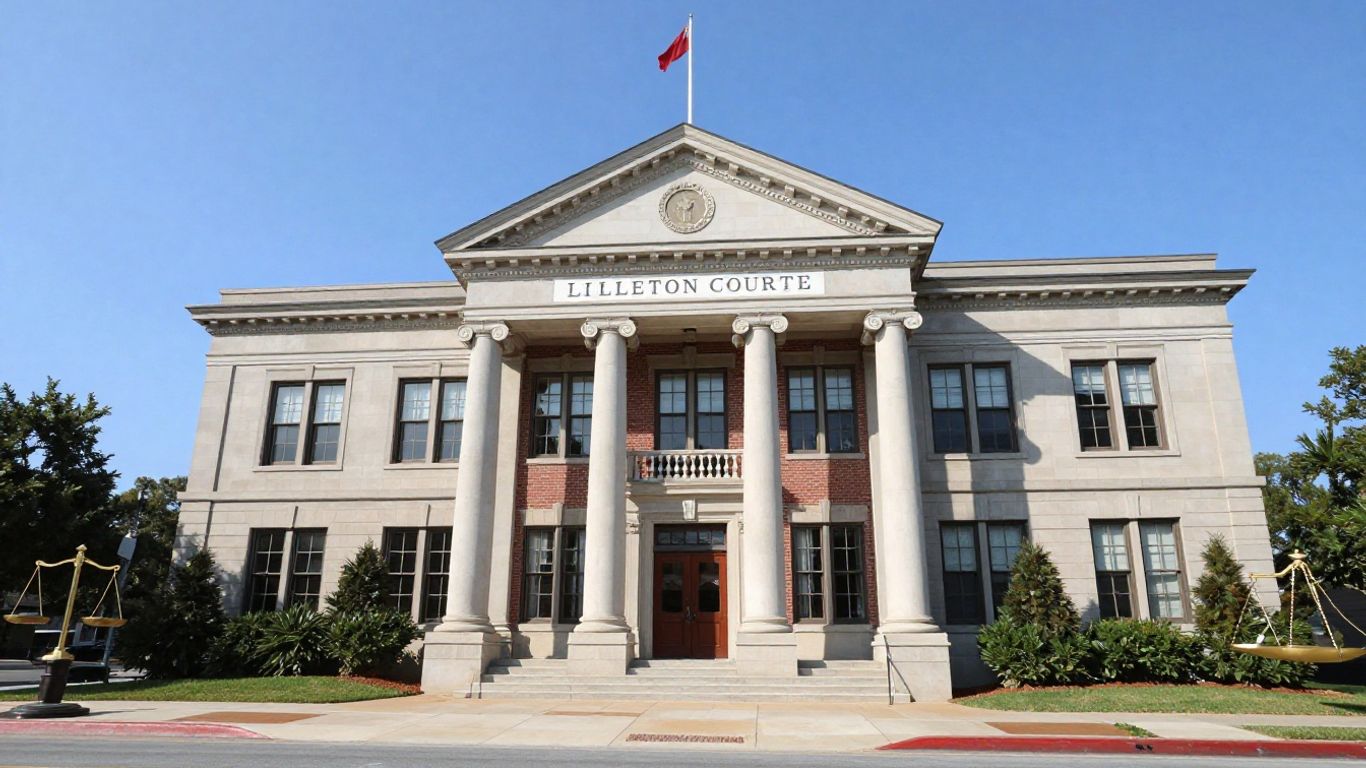
The Harnett County Courthouse is located in Lillington. The address is 201 N Main St, Lillington, NC 27546. It's advisable to confirm the exact location and any specific entry instructions before your court date, as courtrooms can sometimes be reassigned.
Understanding Court Dates and Procedures
Your traffic citation will list your court date. It's important to appear on this date. Arriving late can lead to a missed court appearance, which could result in a warrant for your arrest and additional penalties. Court proceedings typically begin in the morning. You'll likely check in with the clerk of court's office upon arrival. Be prepared for potential wait times, as court dockets can be lengthy. The judge will call cases, and you'll be asked to approach the bench when your name is called.
Key Personnel You May Encounter
Several individuals play a role in the court process:
- The Judge: Presides over the court, hears cases, and makes rulings.
- The District Attorney (or Assistant District Attorney): Represents the state in prosecuting traffic violations.
- The Clerk of Court: Manages court records, schedules, and collects fines and fees.
- Law Enforcement Officer: The officer who issued your ticket may be present to testify.
- Your Attorney (if you hire one): Acts as your legal representative.
It is always best to be prepared and respectful when interacting with court personnel. Dress appropriately and speak clearly when addressing the judge or other officials. Your demeanor can influence how your case is perceived.
If you're unsure about any part of the court process, seeking advice from a local attorney can be incredibly helpful. They understand the local court system and can guide you through each step. You can explore options for legal representation at The Cotten Law Firm.
Your Options After Receiving a Traffic Ticket
Receiving a traffic ticket in Lillington or Harnett County means you have choices. It's important to understand these options so you can make the best decision for your situation. Ignoring a ticket is never a good idea; it can lead to more serious problems down the road.
Paying the Fine: The Direct Approach
This is the most straightforward option. When you pay the fine, you are admitting guilt for the traffic violation. This means the offense will go on your driving record. For many minor infractions, this might seem like the easiest path. However, you should be aware of the consequences before you pay. Paying the fine is essentially pleading guilty, which can affect your driving record and potentially your insurance rates. It's wise to consider if this is the best long-term solution for you.
Contesting the Ticket: Your Right to a Defense
You have the right to contest any traffic ticket you receive. This means you do not have to simply accept the citation and pay the fine. Contesting a ticket involves going to court and presenting your case. You can argue that you did not commit the violation, or that there were extenuating circumstances. This often requires gathering evidence and preparing your defense. If you choose to contest, you will need to appear in the Harnett County court on your scheduled date.
Seeking a Plea Bargain or Reduced Charge
Another option is to seek a plea bargain or a reduced charge. This often involves working with the prosecutor or the court to reach an agreement. You might be able to get the charge reduced to a lesser offense, such as a non-moving violation or an equipment violation. This can sometimes help you avoid points on your license and keep your insurance rates from increasing. This approach often requires negotiation and may benefit from legal assistance. It's a way to resolve the ticket without a full trial but with potentially fewer negative consequences than a direct guilty plea. You can explore options like reducing the charge to avoid a conviction.
The Role of a Traffic Attorney in Lillington
Why Legal Representation Matters
Getting a traffic ticket in Lillington or Harnett County can feel like a big deal, and it can be. While some people just pay the fine and move on, that's not always the best move. Paying a ticket is often seen as admitting guilt. This can lead to points on your driving record, higher insurance rates, and potentially even license suspension if you accumulate too many. You have the right to defend yourself against a traffic citation. A traffic attorney understands the local court system and North Carolina traffic laws. They can help you understand the charges and what your options are.
Benefits of Hiring a Local Lillington Attorney
When you're facing a traffic ticket, especially one that could impact your driving record or license, getting help from someone who knows the local scene is a good idea. A local attorney is familiar with the Harnett County courthouse, the prosecutors, and the judges. This familiarity can be a real advantage. They know the common outcomes for certain offenses and can often negotiate better deals than someone unfamiliar with the area. They can handle the court appearances for you, saving you time and stress. This is especially helpful if you live far from Lillington or have a demanding work schedule. Hiring a local lawyer means you have a dedicated advocate who knows how to work within the Harnett County legal framework. You can find experienced legal defense for traffic citations in places like Raleigh.
When to Consider Legal Counsel
It's not always necessary to hire a lawyer for every minor traffic infraction. However, there are situations where it's strongly recommended. If your ticket involves serious charges like a DWI, reckless driving, or a charge that could lead to license suspension, you should definitely seek legal advice. Even for less severe tickets, if you have prior offenses, or if you're worried about the impact on your insurance, an attorney can be a good investment. They can also help if you're dealing with a DMV hearing related to your ticket, which is important for regaining driving privileges. Basically, if the ticket could have significant consequences for your driving privileges, your insurance costs, or your criminal record, it's time to think about getting professional help.
Consequences of Unresolved Traffic Tickets
Ignoring a traffic ticket in Lillington or anywhere in Harnett County can lead to a cascade of problems. It's not just about the original offense; the failure to address it properly creates a whole new set of issues that can become much more serious.
License Suspension and Reinstatement
The most immediate and impactful consequence of ignoring a traffic ticket is the potential suspension of your driver's license. If you fail to respond to a citation or pay a fine within the allotted time, the court can notify the North Carolina Division of Motor Vehicles (DMV). This can lead to your license being suspended, making it illegal for you to drive. This suspension isn't limited to North Carolina; if you have an out-of-state license, other states can also suspend your driving privileges. Trying to drive with a suspended license carries its own set of penalties, often more severe than the original ticket.
Reinstating a suspended license involves more than just paying the original fine. You may need to pay additional reinstatement fees to the DMV, and depending on the reason for suspension, you might need to complete specific requirements, such as attending a driver improvement clinic. It can be a complex process, especially if multiple tickets contributed to the suspension. Sometimes, old, unresolved tickets from other states can also cause issues with your license here, impacting your ability to drive legally.
Increased Insurance Premiums
When you receive a traffic ticket, especially for moving violations, your insurance company is often notified. Even if you pay the ticket, the violation can appear on your driving record. Insurance companies use your driving record to assess risk. A ticket, or multiple tickets, can signal to them that you are a higher risk driver. This often results in an increase in your auto insurance premiums. The amount of the increase can vary significantly based on the severity of the offense, your insurance provider, and your overall driving history. Over time, these increased premiums can cost you much more than the original fine for the ticket.
Potential Arrest Warrants
In some cases, particularly for more serious offenses or a pattern of ignoring citations, a judge may issue an arrest warrant. This means that law enforcement officers can arrest you if they encounter you during a routine traffic stop or for any other reason. Having an active warrant can lead to unexpected detentions and further legal complications. It's a situation that can arise from simply failing to appear in court for a scheduled hearing or not paying a court-ordered fine. The court system expects you to take your citations seriously, and failure to do so can have severe repercussions.
It's important to remember that a traffic ticket is a legal matter. Simply ignoring it does not make it go away. Instead, it escalates the situation, potentially leading to license suspension, higher insurance costs, and even the possibility of arrest. Addressing your ticket promptly, whether by paying the fine, contesting it, or seeking legal counsel, is the most responsible course of action to avoid these serious consequences.
Gathering Evidence for Your Defense
After you get a traffic ticket in Lillington or Harnett County, you'll want to start building your defense right away. This means collecting anything that could help your case. Think of it like putting together pieces of a puzzle. The more evidence you have, the clearer the picture of what happened will be.
Documenting the Scene of the Violation
When you get a ticket, take a moment to look around. What did the road look like? Were there any signs? Was the lighting good or bad? If it's safe to do so, take pictures or videos with your phone. This could include:
- Photos of the road conditions.
- Pictures of any traffic signs, especially if they were unclear, damaged, or hidden by trees.
- Images of the location where you were stopped.
- Notes about the weather and time of day.
This visual record can be very important later on. For example, if a sign was obstructed, a photo can prove it.
Collecting Witness Statements
Did anyone else see what happened? If you were with a passenger, ask them to write down what they observed. If there were other drivers or pedestrians who saw the incident, and you can safely get their contact information, do so. A statement from an independent witness can add significant weight to your defense. Sometimes, a "mistake of fact" defense might be viable if you were genuinely unaware of a violation, and a witness could support that claim. Seeking legal guidance is recommended if you're unsure how to use this type of evidence.
Obtaining Relevant Records
Depending on the type of ticket, certain records might be helpful. For instance:
- Speedometer Calibration: If you're contesting a speeding ticket, you might consider getting your speedometer checked to ensure it's accurate. Keep the receipt and report.
- Maintenance Records: For equipment-related violations, maintenance records for your vehicle could be useful.
- Dashcam Footage: If your vehicle has a dashcam, review the footage from the time of the stop. This can provide an objective account of the events.
Building a strong defense often involves more than just your word. Tangible evidence, whether it's photos, witness accounts, or official records, can make a significant difference in how your case is viewed by the court. It's about presenting a clear, factual narrative that supports your position.
Understanding North Carolina Traffic Laws
Knowing the rules of the road in North Carolina is your first step in handling a traffic ticket in Lillington or anywhere in Harnett County. These laws are designed to keep everyone safe, and understanding them can help you understand your citation.
Speeding Laws in Lillington
Speeding is one of the most common reasons people get pulled over. In North Carolina, speed limits are set by the state, but local authorities can sometimes adjust them within certain limits. Generally, you'll see different limits for:
- Urban Districts: Typically 35 mph unless otherwise posted.
- Rural Interstate Highways: Usually 70 mph.
- Other Highways and Rural Roads: Often 55 mph, but always check the signs.
It's important to remember that even if the speed limit is 70 mph, driving too fast for conditions (like rain or fog) can still be a violation. The posted speed limit is the maximum, not a target.
Laws Regarding Improper Lane Changes
Changing lanes improperly can lead to accidents. North Carolina law requires drivers to:
- Check mirrors and blind spots before changing lanes.
- Signal your intention to change lanes well in advance.
- Ensure there is sufficient space to merge safely.
This applies to moving from one lane to another on a multi-lane road or merging onto a highway. A ticket for improper lane change often means the officer believes your maneuver was unsafe or could have endangered others.
Rules for Following Too Closely
Following too closely, often called tailgating, is another frequent offense. North Carolina law states that a driver must maintain a safe distance from the vehicle ahead. What's considered 'safe' depends on your speed, road conditions, and the traffic. A common guideline is the 'three-second rule': pick a fixed object, and when the car in front passes it, count three seconds. If you pass the object before finishing the count, you're likely following too closely. This law aims to prevent rear-end collisions, which are often serious. If you've received a ticket for this, it means the officer observed you driving too near the vehicle in front of you. For more information on how traffic laws are handled, you can look at resources for North Carolina traffic tickets.
Understanding these basic traffic laws is key. They aren't just arbitrary rules; they are based on common sense and safety. When you receive a ticket, consider how your actions might have violated these principles, and whether the officer's observation aligns with the law.
Preparing for Your Day in Court
Showing up to court prepared can make a significant difference in how your Lillington traffic ticket case is handled. It's about more than just being present; it's about presenting yourself and your defense in the best possible light. This means dressing appropriately, organizing your thoughts and any evidence you have, and understanding how to communicate effectively with the judge and other court personnel.
What to Wear and How to Behave
Your appearance and demeanor in court matter. You want to project respect for the legal process. This generally means dressing in business casual attire. Avoid anything too casual, like shorts, t-shirts with graphics, or flip-flops. It's better to be slightly overdressed than underdressed. When you are in the courtroom, remain seated unless you are called to speak. Turn off your cell phone completely – do not just put it on silent. Address the judge as "Your Honor." Speak clearly and directly when you are asked to speak, and avoid interrupting others. Remember, you are there to present your case, not to argue or cause a scene.
Organizing Your Defense Strategy
Before you even step into the courthouse, you should have a clear idea of how you plan to defend yourself. This involves reviewing the details of the traffic stop and the citation itself. Think about what happened from your perspective and gather any information that supports your version of events. This could include:
- Photos or videos of the location where the ticket was issued, if relevant.
- Dashcam footage from your vehicle, if available.
- Witness information, if anyone else was with you or saw the incident.
- Documentation related to your driving record or vehicle maintenance, if applicable.
Consider what you will say to the judge. It's often helpful to write down your key points beforehand. If you plan to plead not guilty, think about the arguments you will make. If you are considering a plea bargain, understand what you might be willing to accept. Having a plan, even a simple one, will help you feel more confident.
Presenting Your Case Effectively
When it's your turn to speak, be concise and stick to the facts. Avoid emotional outbursts or lengthy, rambling explanations. If you have documents or evidence to present, do so in an organized manner. Explain what each piece of evidence is and why it is relevant to your case. If you are unsure about how to present certain information, it may be beneficial to consult with a legal professional. They can help you understand the best way to communicate your defense to the court. Remember that the judge has many cases to hear, so getting straight to the point is appreciated. You can find information about court schedules and administrative calendars for Harnett County by searching for Harnett County administrative schedules.
The goal in court is to present a clear, factual account of your situation. Stick to what happened, why it happened, and what you believe the outcome should be. Avoid making excuses and focus on presenting a respectful and well-reasoned defense.
Resolving Your Lillington Traffic Ticket
After your day in court, or if you've decided to pay the fine, there are still a few steps to take to properly close out your Lillington traffic ticket. It’s important to handle these final details to avoid future complications.
Post-Court Procedures
Once a judge has made a decision or you've agreed to a plea, the court clerk will typically provide you with the next steps. This might involve paying a fine, completing traffic school, or fulfilling other court-ordered requirements. Make sure you understand exactly what is expected of you before leaving the courthouse. If you were found guilty, you'll likely receive a judgment detailing the penalties. If you plan to appeal, you must follow the specific procedures and deadlines outlined by the court.
Understanding Fines and Fees
Fines and court costs can add up. The amount will depend on the specific violation and any plea agreements reached. Payment is usually expected within a set timeframe. You can typically pay in person at the Harnett County Clerk of Court's office, by mail, or sometimes online. It’s wise to confirm the accepted payment methods and the due date. Failure to pay on time can lead to additional penalties, including license suspension or even a warrant for your arrest.
Here’s a general idea of what you might expect:
- Base Fine: The penalty for the specific traffic offense.
- Court Costs: Fees associated with processing your case.
- Additional Fees: These can include things like a DWI assessment fee if applicable, or fees for traffic school.
Ensuring Compliance with Court Orders
Completing all requirements of your traffic ticket resolution is vital. This includes:
- Paying all fines and fees by the due date.
- Completing any assigned traffic school or defensive driving courses.
- Submitting proof of insurance or vehicle registration if required.
- Attending any follow-up court dates, if scheduled.
If you are unsure about any part of the process or have difficulty meeting the court's requirements, it is best to contact the Harnett County Clerk of Court's office or seek advice from a local attorney. An experienced legal professional can help you understand your obligations and ensure you meet them correctly. They can also assist with potential modifications to payment plans if you are facing financial hardship. You can find more information about questions to ask a lawyer at [bbda].
Got a ticket in Lillington? Don't stress! We make dealing with traffic tickets simple. Many times, you won't even need to go to court. Let us handle the hassle for you. Visit our website today to find out how we can help clear your name.
Wrapping Up Your Lillington / Harnett County Ticket
Dealing with a traffic ticket in Lillington or Harnett County can feel like a hassle, but you've now got a clearer picture of what to expect. Remember, you have options. Whether you decide to handle it yourself or seek legal help, understanding the process is your first step. Don't let a simple ticket add unnecessary stress to your life. Take the information you've learned here and make the best decision for your situation. We hope this guide has been helpful as you move forward.
Frequently Asked Questions
What should I do if I get a traffic ticket in Lillington or Harnett County?
If you receive a traffic ticket in Lillington or Harnett County, it's important to take it seriously. You'll need to decide whether to pay the fine or fight the ticket. Make sure to note the court date and any instructions on the ticket itself. Ignoring it can lead to bigger problems.
What happens if I just pay the fine for my ticket?
Paying the fine means you're admitting guilt for the traffic violation. This usually results in points being added to your driving record and can cause your car insurance rates to go up. It's generally the quickest way to resolve the ticket, but it might not be the best option for your long-term driving record.
Can I contest a traffic ticket in Harnett County?
Yes, you absolutely have the right to contest a traffic ticket in Harnett County. This means you can plead not guilty and present your case in court. You can do this yourself or hire a lawyer to represent you. It's your chance to explain your side of the story.
What are the common reasons people get traffic tickets in this area?
Common reasons for traffic tickets in Lillington and Harnett County often include speeding, running red lights or stop signs, improper lane changes, and following other vehicles too closely. Basically, any violation of North Carolina's traffic laws can lead to a ticket.
How important is it to show up for my court date?
Showing up for your court date is extremely important. If you don't appear, the judge may issue a warrant for your arrest, and your driver's license could be suspended. Always make sure you know your court date and time, and be there on time.
Should I hire a lawyer for a traffic ticket?
Hiring a lawyer can be very helpful, especially if the ticket is serious or if you want to try and get the charges reduced or dismissed. A local attorney will know the Harnett County court system and the prosecutors, which can make a big difference in the outcome of your case.
What happens if I don't take care of my traffic ticket?
If you ignore your traffic ticket, the consequences can be severe. Your driver's license could be suspended, you might face additional fines and fees, and a warrant could be issued for your arrest. It's best to deal with it as soon as possible.
Where is the Harnett County Courthouse located?
The Harnett County Courthouse is located in Lillington, North Carolina. The exact address is 201 Main Street, Lillington, NC 27546. It's where you'll go for traffic court hearings in Harnett County.
Charged with traffic law in NC?
Cotten Firm serves Wake, Johnston, Harnett, Chatham & Orange counties. Sign up online in minutes — we handle the court appearance so you don't have to.
Sign Up Now → Get Started