NC DUI Checkpoint Stops: Your Rights and What to Do
Encountering a DUI checkpoint in North Carolina can be a bit unnerving. You might wonder what to expect and what your rights are when law enforcement stops you. These checkpoints are set up to catch impaired drivers, and while they serve a purpose, it's good to be prepared. Knowing your NC DUI checkpoint rights can make a big difference in how you handle the situation.
Key Takeaways
- DUI checkpoints in North Carolina are legal roadblocks designed to find impaired drivers, but they must follow specific rules.
- You are required to show your driver's license, registration, and proof of insurance, but you generally don't have to answer questions beyond that.
- Field sobriety tests and breathalyzers are often voluntary, but refusing a breath test can lead to license suspension.
- If you believe a checkpoint was set up improperly or officers didn't follow procedures, you may have grounds to challenge the stop.
- Remaining polite, keeping hands visible, and limiting conversation are good practices when interacting with officers at a checkpoint.
Understanding North Carolina DUI Checkpoints
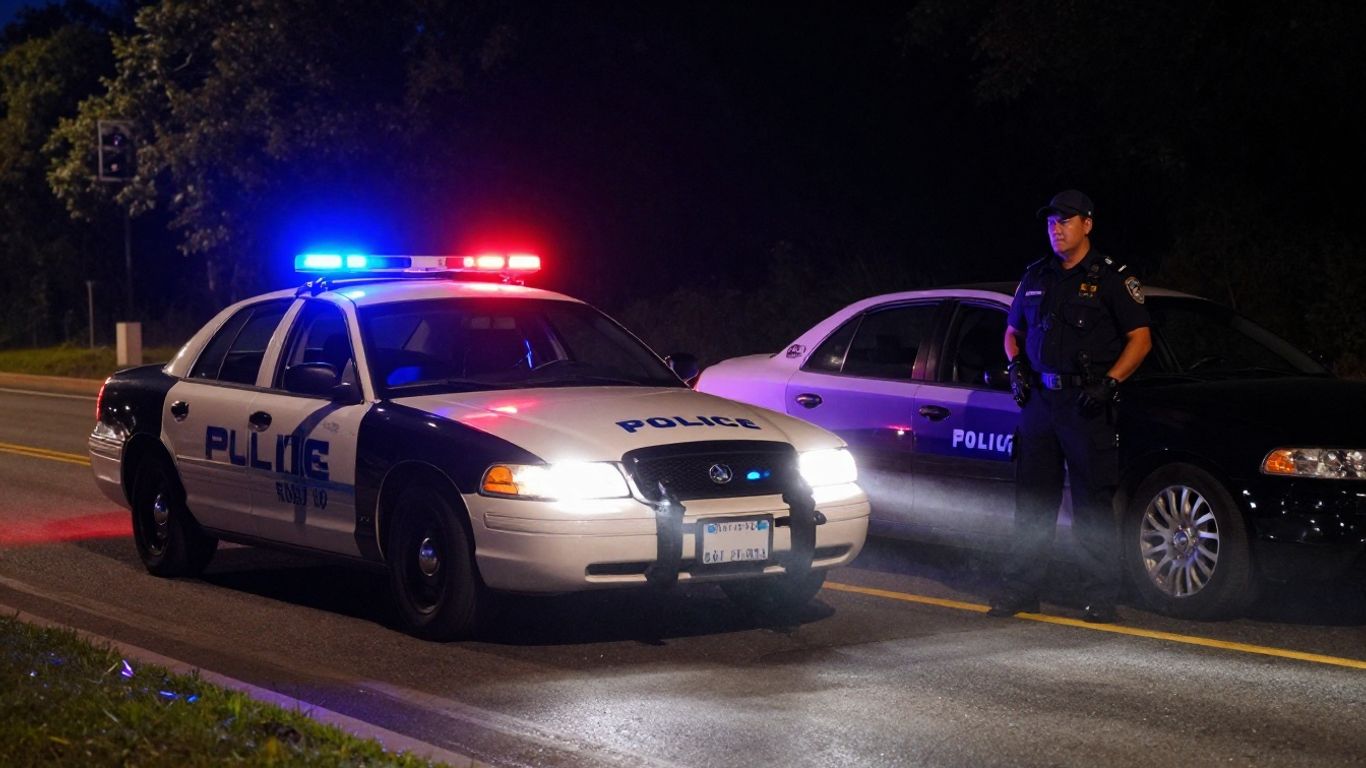
The Legal Basis for Checkpoints
North Carolina law, specifically N.C.G.S. 20-16.3A, permits law enforcement to set up what are often called DUI checkpoints or checking stations. The main idea behind these is to check if drivers are following traffic laws and, importantly, to catch people who are driving while impaired. These stops aren't meant to be random fishing expeditions. The law requires that officers follow a pre-set plan for stopping vehicles. This prevents officers from just picking cars based on their own judgment, which helps ensure the stops are fair and not discriminatory. Think of it as a systematic approach to road safety.
Purpose of DUI Checkpoints
The primary goal of these checkpoints is to deter impaired driving and reduce alcohol-related accidents on our roads. By having a visible presence, law enforcement hopes to discourage individuals from getting behind the wheel after drinking. They also serve to check for other traffic violations, like driving with a suspended license. It's a proactive measure aimed at keeping everyone safer.
Advance Notice Requirements
While not always strictly enforced in every instance, many agencies aim to provide some form of advance notice about upcoming checkpoints. This can be through local news, police department websites, or social media. The idea is to inform the public that these operations are happening, reinforcing the deterrent effect. However, the absence of public notice doesn't automatically make a checkpoint illegal, as long as the other legal requirements are met.
What To Expect During A Checkpoint Stop
Approaching a DUI checkpoint can feel a bit unnerving, but knowing what to anticipate can make the experience smoother. Law enforcement sets these up to check for impaired drivers and ensure everyone is following the law. Here’s a breakdown of what typically happens.
Initial Contact With Officers
As you get closer to the checkpoint, you'll likely see signs and officers directing traffic. You will be signaled to stop your vehicle. An officer will then approach your car, usually on the driver's side. Be polite and respectful from the very first moment. Keep your hands visible, perhaps resting them on the steering wheel. This simple action helps the officer feel more at ease and prevents misunderstandings.
Officer Observations and Questions
The officer will likely start with a few standard questions and observations. They will ask for your driver's license, vehicle registration, and proof of insurance. While they speak with you, they will be observing your demeanor, listening to your speech for any slurring, and checking for the smell of alcohol or bloodshot eyes. They might ask where you're coming from or where you're going. You are generally only required to provide the requested documents and answer questions directly related to them. Anything else you say can potentially be used against you.
Potential for Further Screening
If the officer notices signs that suggest impairment, or if your answers seem suspicious, they may ask you to step out of your vehicle for further evaluation. This could involve Field Sobriety Tests (FSTs) or a preliminary breathalyzer test. If the officer has probable cause to believe you are driving under the influence, they may detain you for more thorough testing or arrest you. If no signs of impairment are detected, you should be allowed to proceed without further delay.
Your NC DUI Checkpoint Rights
Even though North Carolina allows DUI checkpoints, you still have rights when you encounter one. Knowing these rights can help you avoid saying or doing something that could hurt your case later. It's important to remember that while you must cooperate with certain requirements, you don't have to volunteer information or consent to everything.
Right to Remain Silent
You are not required to answer questions beyond providing your driver's license, vehicle registration, and proof of insurance. If an officer asks where you've been, if you've been drinking, or anything else about your activities, you can politely state that you wish to remain silent. You don't have to explain why you're remaining silent. This right is protected, and you shouldn't feel pressured to speak.
Right to Refuse a Vehicle Search
Officers at a checkpoint generally cannot search your vehicle without your consent or probable cause. Probable cause means they have a reasonable belief that a crime has been committed or that evidence of a crime will be found in your vehicle. If an officer asks to search your car, you can refuse. Do not physically resist, but clearly state that you do not consent to the search. If they search anyway, note the circumstances for your attorney.
Right to Legal Counsel
If you are arrested or believe your rights have been violated at a checkpoint, you have the right to speak with an attorney. Do not discuss the details of your case with law enforcement after an arrest without legal representation present. You can request to contact your lawyer immediately. If you are asked to take a breathalyzer test after being arrested, you may have the option to refuse, but understand that refusal in North Carolina carries significant penalties, including automatic license suspension, under implied consent laws. It's wise to consult with a legal professional about your options before refusing any chemical test.
Required Documentation At A Checkpoint
When you approach a North Carolina DUI checkpoint, officers will expect you to have certain documents readily available. You are legally obligated to present your driver's license, vehicle registration, and proof of insurance upon request. Failing to produce these items can lead to additional citations or even arrest, regardless of whether you are suspected of impaired driving.
Here's what you need to have handy:
- Driver's License: This confirms your identity and your legal authorization to operate a vehicle.
- Vehicle Registration: This document shows that the vehicle you are driving is properly registered with the state.
- Proof of Insurance: This verifies that your vehicle has the minimum required liability insurance coverage.
Keep these documents in a place where you can easily access them without causing undue delay. Many drivers keep them in their wallet or glove compartment. Remember, the purpose of the checkpoint is to ensure public safety, and having these documents in order is part of responsible vehicle ownership. If you're facing your first traffic ticket, reviewing your citation carefully for court dates and instructions is a good first step. Proper preparation is key.
While you must provide these documents, you are generally not required to answer questions beyond identifying yourself and presenting the requested paperwork. Your right to remain silent extends to questions about your activities or whether you have consumed alcohol.
Field Sobriety Tests and Breathalyzers
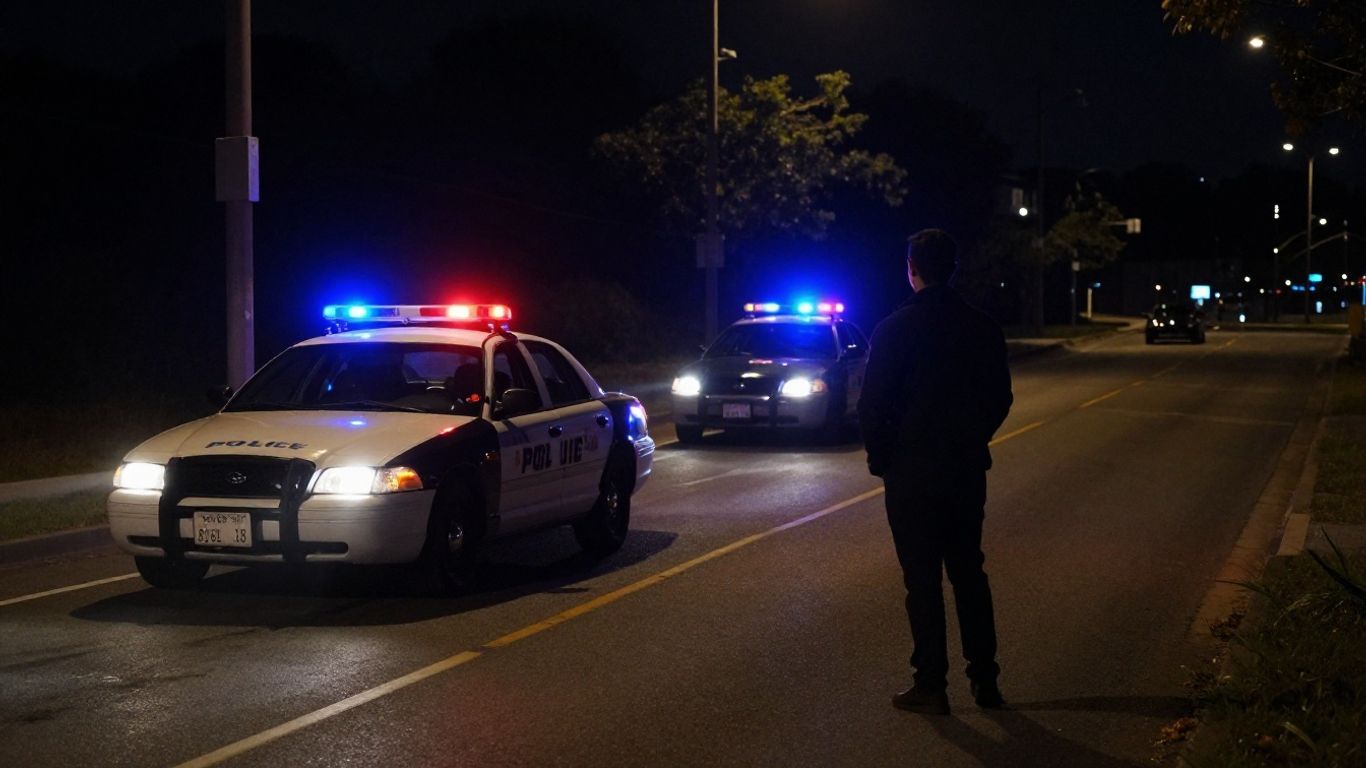
Voluntary Nature of Field Sobriety Tests
At a North Carolina DUI checkpoint, officers may ask you to perform Field Sobriety Tests (FSTs). These are a series of physical and mental exercises designed to help officers assess your level of impairment. Common tests include the Horizontal Gaze Nystagmus (HGN) test, the walk-and-turn test, and the one-leg stand test. It is important to know that you generally have the right to refuse these tests. While refusing an FST might lead an officer to believe you have something to hide and could result in an arrest based on other observations, the tests themselves are voluntary. The results of FSTs are often subjective and can be influenced by factors other than alcohol consumption, such as fatigue, medical conditions, or even the surface you are asked to stand on.
Consequences of Refusing a Breath Test
North Carolina operates under implied consent laws. This means that by obtaining a driver's license and driving on public roads, you have already agreed to submit to a chemical test (like a breathalyzer) if an officer has probable cause to believe you are impaired. Unlike FSTs, refusing a breathalyzer test after a lawful arrest for DWI carries significant consequences. Refusal can lead to an automatic suspension of your driver's license, separate from any potential DWI conviction. This suspension can be lengthy, and it may happen even if you are ultimately found not guilty of the DWI charge itself. The refusal can also be used as evidence against you in court.
Understanding Breathalyzer Accuracy
Breathalyzer machines, particularly the evidentiary ones used back at the station after an arrest, are designed to measure your Blood Alcohol Content (BAC). While these devices are sophisticated, their accuracy can be affected by various factors. These include the machine's calibration, how the test is administered, and even certain medical conditions or substances in your system. The roadside Preliminary Breath Test (PBT) is a screening device, and its results are generally not admissible in court as direct evidence of your BAC. The more accurate, evidentiary test is administered after an arrest. If you are asked to take a breath test, remember that you have certain rights, including the right to contact a witness and a waiting period before the test is administered. Challenging the results of a breathalyzer often requires a detailed understanding of the device and the procedures followed.
When A Checkpoint May Be Invalid
Not every checkpoint you encounter is set up legally. The law requires checkpoints to serve a specific public safety purpose and to be conducted according to a plan. If these requirements aren't met, the checkpoint itself might be invalid, which could affect any charges that arise from it.
Lack of Clear Public Safety Purpose
Checkpoints are meant for specific goals, like catching impaired drivers or checking licenses. They aren't supposed to be general crime sweeps. If a checkpoint's stated purpose isn't clear or seems like a pretext for something else, like searching for drugs without a reason, it could be challenged. The primary goal must be a legitimate public safety concern.
Failure to Follow Pre-Approved Plans
Law enforcement agencies are supposed to have a plan for how checkpoints will operate. This plan usually dictates things like how vehicles will be stopped (e.g., every fifth car) and where the checkpoint will be located. Supervisors typically must approve this plan beforehand. If officers deviate significantly from this plan without a good reason, or if there's no plan at all, the stop might be considered unlawful. This prevents officers from making arbitrary decisions about who to stop.
Arbitrary or Discriminatory Stops
Checkpoints must be conducted neutrally. This means officers shouldn't be picking and choosing which cars to stop based on their own biases or hunches. The process should be systematic and applied equally to all drivers passing through. If an officer singles out a vehicle for reasons not outlined in the checkpoint plan, or if the checkpoint appears to target a specific group of people, it could be deemed discriminatory and therefore invalid. This is a key protection against unchecked officer discretion and ensures that the stop is not arbitrary.
Best Practices For Navigating A Checkpoint
Remain Polite and Cooperative
It's understandable to feel anxious when approaching a DUI checkpoint. However, maintaining a calm and respectful demeanor is important. Avoid any confrontational behavior or arguments with the officers. Your goal is to get through the stop as smoothly as possible. Keep your hands visible on the steering wheel and refrain from making sudden movements. This helps officers feel more at ease and reduces the chance of misunderstandings.
Keep Hands Visible
Always keep your hands in plain sight, typically on the steering wheel. This simple action can significantly help the officers feel more secure and prevent them from misinterpreting your actions. If you need to reach for something, like your registration or insurance card, inform the officer of your intention before you move.
Limit Your Conversation
While you should be polite, you are not required to engage in extensive conversation. Answer direct questions truthfully but avoid volunteering unnecessary information. Anything you say can potentially be used against you. Stick to providing the required documents and answering questions about your driving status. If you are asked to perform field sobriety tests or submit to a breathalyzer, understand your rights regarding these procedures.
Observe and Record Details
Pay attention to the details of the checkpoint itself. Note the location, time, and any visible signage or markings. Observe how the officers are conducting the stops – are they stopping every vehicle, or is there a pattern? If you have a passenger, ask them to discreetly take notes or record the interaction if legally permissible. This information can be very helpful if the legality of the checkpoint or your stop needs to be challenged later. For instance, if you receive a ticket for a minor infraction, understanding the checkpoint's procedures is key to building a defense.
Passenger Assistance
If you have a passenger in the vehicle, they can be an invaluable asset during a checkpoint stop. They can observe the officers' actions, note any details about the checkpoint's operation, and even record the interaction if permitted by law. This documentation can be critical evidence if you later need to challenge the stop. Having a witness can help ensure that procedures are followed correctly and that your rights are respected.
Documenting The Checkpoint Encounter
Being stopped at a DUI checkpoint can be a stressful experience. To protect your rights and build a strong defense if needed, it's important to document everything that happens. Your observations and any notes taken can be critical evidence later.
Observe and Record Details
When you are stopped, take mental notes of the surroundings and the officers' actions. If you have a passenger, ask them to jot down details. Note the time of day, the location, and how the checkpoint is set up. Are there clear signs? Are officers in uniform? How are vehicles being stopped – is it every car, or is there a pattern? Also, pay attention to any specific questions asked and how the officers interact with you and other drivers.
Passenger Assistance
If you have a passenger in the vehicle, they can be an invaluable asset. Their primary role is to observe and record. They should note the officer's conduct, the duration of the stop, and any statements made by the officers or yourself. If it's safe and legal to do so, they might even be able to record the interaction with their phone. This objective record can be very helpful if there are disputes about what occurred during the stop.
Importance of Documentation for Defense
Thorough documentation is not just about remembering what happened; it's about building a defense. If the checkpoint was not set up or conducted according to legal standards, your notes can help your attorney challenge the stop. This could involve demonstrating that the checkpoint lacked a clear public safety purpose, that officers deviated from a pre-approved plan, or that the stop felt arbitrary. Evidence of improper procedures can lead to the suppression of evidence against you, potentially resulting in a dismissal of charges. Understanding the rules around checkpoints is key to knowing what to document. You can find more information about limited driving privileges if your situation requires it.
Legal Recourse After A Checkpoint Stop
Challenging The Legality Of The Checkpoint
If you believe a checkpoint stop was conducted improperly, you have the right to challenge its legality. North Carolina law requires checkpoints to serve a legitimate public safety purpose and follow specific, pre-approved plans. Deviations from these plans or a lack of clear purpose can render a stop unlawful. This means officers cannot simply set up a roadblock without a valid reason or follow arbitrary procedures. For instance, if a checkpoint is established without clear signage or a predetermined pattern for stopping vehicles, it might be challenged. The courts look closely at whether the checkpoint was conducted neutrally, without allowing individual officers unchecked discretion to select vehicles. If the checkpoint's primary purpose wasn't public safety, or if it was used for general crime detection, that could also be grounds for a challenge.
Motion To Suppress Evidence
When a checkpoint is deemed unlawful, any evidence obtained as a result of that stop may be excluded from court. This is done through a legal process called a motion to suppress. If the court grants this motion, the evidence cannot be used against you in your case. This is a critical step in defending against charges that may have arisen from an improperly conducted checkpoint. For example, if a breathalyzer result or any statements you made were obtained during an illegal stop, a motion to suppress could prevent that evidence from being used. Successfully challenging the checkpoint's legality is often the most effective way to get charges dismissed.
Seeking Legal Representation
Navigating the complexities of checkpoint laws and challenging their legality requires legal knowledge. It is highly advisable to consult with an experienced North Carolina attorney as soon as possible after a checkpoint stop. An attorney can review the specifics of your stop, determine if the checkpoint was conducted legally, and advise you on the best course of action. They can file necessary motions, represent you in court, and work to protect your rights. If you were stopped at a checkpoint and subsequently charged with an offense, seeking legal counsel is a vital step in building your defense. An attorney can also help you understand if your license was suspended due to the stop, which might require specific actions to address driving with a revoked license issues.
The legality of a checkpoint is not a minor detail; it forms the foundation of any charges brought against you. If that foundation is flawed, the entire case may crumble.
Understanding Officer Discretion
Neutrality and Pattern Requirements
North Carolina law requires that DUI checkpoints operate under a predetermined, neutral plan. This means officers shouldn't have the freedom to pick and choose which cars to stop. The plan, often a written policy, dictates how vehicles are selected – for instance, every third car or a specific interval. This systematic approach is designed to prevent arbitrary stops and ensure fairness. The goal is to make sure the checkpoint serves its public safety purpose without infringing on your rights. Without a clear pattern, the checkpoint itself could be challenged.
Deviations From The Plan
If an officer deviates from the established checkpoint plan without a valid reason, it can raise legal questions about the stop's validity. For example, if the plan is to stop every fifth car, but an officer decides to stop a specific type of vehicle based on a hunch, that action might be seen as exceeding the checkpoint's intended scope. Such deviations can be grounds for challenging the evidence obtained from the stop. Courts look closely at whether the actual procedure followed matches the approved plan.
Preventing Unchecked Discretion
To avoid unchecked discretion, law enforcement agencies must have clear guidelines for checkpoint operations. This includes defining the stopping pattern and ensuring officers follow it. If an officer makes a stop based on personal bias or impulse rather than the established plan, the stop may be deemed unlawful. This is where your rights come into play; if the checkpoint wasn't conducted properly, any evidence gathered might be inadmissible in court. It's important to remember that while checkpoints aim for public safety, they must be conducted within legal boundaries. If you believe you were stopped improperly, consulting with a legal professional is a good step. You can find resources for traffic attorneys in areas like Johnston County if you've received a ticket here.
Checkpoints are meant to be systematic. If an officer acts outside the established rules, it can affect the legality of the stop and any evidence gathered.
Understanding Officer Discretion is a key part of knowing your rights when pulled over. Officers have the power to decide how to handle certain situations, like whether to issue a ticket or a warning. This choice can greatly affect the outcome for you. Want to learn more about how these decisions are made and what you can do? Visit our website for a deeper dive into this topic and other helpful legal information.
Know Your Rights and Act Wisely
Navigating a DWI checkpoint can feel overwhelming, but remembering your rights is key. You're generally required to provide your license, registration, and insurance. Beyond that, you don't have to answer questions that could be used against you. If you believe the checkpoint wasn't conducted properly or if you're facing charges, it's important to talk to a lawyer. An attorney can look at the specifics of your stop and help you understand your options moving forward.
Frequently Asked Questions
Are DUI checkpoints legal in North Carolina?
Yes, DUI checkpoints are legal in North Carolina. The law allows police to set them up to help keep the roads safe by finding drivers who are under the influence. However, these checkpoints must follow specific rules to be considered lawful.
What should you do if you approach a DUI checkpoint?
When you see a checkpoint ahead, stay calm and follow the instructions given by the officers. You will need to provide your driver's license, vehicle registration, and proof of insurance. It's best to be polite and cooperative.
Do you have to answer questions at a DUI checkpoint?
You are generally required to provide your license and registration. However, you do not have to answer questions beyond that, such as where you are going or if you have been drinking. You have the right to remain silent.
Can you refuse a search of your vehicle at a checkpoint?
Yes, you have the right to refuse a search of your vehicle. Police need a specific reason, like seeing something illegal in plain view, to search your car without your permission.
Are Field Sobriety Tests (FSTs) mandatory at a checkpoint?
Field Sobriety Tests are usually voluntary. You can choose not to take them. However, refusing these tests might be seen as a sign of guilt and could lead to an arrest.
What happens if you refuse a breathalyzer test?
In North Carolina, refusing a breathalyzer test after being arrested can lead to serious consequences, including a mandatory suspension of your driver's license under the state's implied consent law.
Can you be stopped if you try to avoid a checkpoint?
If an officer sees you turn around or leave the checkpoint in a way that seems suspicious, they can follow you. They may then pull you over to ask why you avoided the checkpoint.
When might a DUI checkpoint be considered illegal?
A checkpoint could be challenged if it doesn't have a clear safety purpose, if officers don't follow a set plan for stopping cars, or if the stops seem random or discriminatory rather than based on a neutral system.
Charged with dwi in NC?
Cotten Firm serves Wake, Johnston, Harnett, Chatham & Orange counties. Sign up online in minutes — we handle the court appearance so you don't have to.
Sign Up Now → Get Started