DWLR in Wake County NC: What Happens If You Get Caught
Getting charged with DWLR in Wake County NC can feel overwhelming. You might be wondering why your license was revoked in the first place, or what the actual penalties are. Driving While License Revoked is a more serious charge than a simple traffic ticket, and it can lead to fines, further license suspension, and even jail time. It's important to understand the specifics of your situation and what steps you should take next.
Key Takeaways
- Driving While License Revoked (DWLR) in Wake County NC means operating a vehicle when your North Carolina driving privileges have been suspended or revoked.
- Consequences can include criminal penalties like jail time, additional license suspension periods, and significant increases in car insurance rates.
- DWLR offenses are classified as misdemeanors, with severity depending on the reason for the original license revocation (e.g., DWI-related revocations are typically more serious).
- Common reasons for license revocation include unpaid tickets, failure to appear in court, DWI convictions, and other serious traffic violations.
- If you are charged with DWLR Wake County NC, it is vital to avoid driving, obtain your driving record, gather all related documents, and seek legal counsel immediately.
Understanding Your DWLR Wake County NC Charge
What Driving While License Revoked Means
Driving While License Revoked (DWLR) in Wake County means you've been caught operating a motor vehicle when your privilege to do so in North Carolina has been suspended or revoked. This isn't just about having a physical license in your wallet; it's about your legal right to drive on our state's roads. The North Carolina Division of Motor Vehicles (DMV) has officially taken away that right for various reasons. It's critical to understand that even if you hold a valid license from another state, your North Carolina driving privilege can still be suspended. This charge is distinct from driving without ever having obtained a license (No Operators License or NOL), driving with an expired license, or simply forgetting to carry your license with you. DWLR specifically means your license was valid at one point, but the DMV has since revoked or suspended it.
Distinguishing DWLR From Similar Offenses
It's easy to get confused between different driving offenses. Here's a quick breakdown to clarify:
- Driving While License Revoked (DWLR): Your license was valid, but the NC DMV has suspended or revoked your driving privileges.
- No Operators License (NOL): You have never been issued a driver's license by the NC DMV.
- Expired Operators License: You had a license, but it was not renewed on time.
- Failure to Carry Valid Driver's License: You have a valid license, but you didn't have it with you while driving.
Why Your License Was Revoked
There are many reasons why your license might have been revoked or suspended. Understanding the root cause is the first step in addressing a DWLR charge. Common reasons include:
- Unpaid Fines and Court Costs: Failing to settle outstanding debts with the court system can lead to suspension.
- Failure to Appear in Court: Missing a scheduled court date, even for a minor traffic infraction, can trigger a suspension.
- DWI Convictions and Implied Consent Violations: Serious offenses like Driving While Impaired (DWI) or refusing a chemical test will result in revocation.
- Other Serious Traffic Offenses: Accumulating too many points or committing significant traffic violations can also lead to license suspension.
Facing a traffic ticket in Wake County can lead to fines, license points, and increased insurance. A lawyer can help navigate court procedures, protect your driving record, and potentially reduce charges to "improper equipment" or utilize a Prayer for Judgment Continued (PJC) to avoid points and insurance hikes. DWLR charges are serious, with penalties varying based on the reason for revocation. Legal representation is crucial for understanding statutes and building a defense strategy. Legal representation is crucial
If you're unsure why your license is suspended, obtaining your official driving record from the NC DMV is a necessary step. This document will detail the specific reasons and dates of your revocation. Remember, driving for work-related purposes during standard working hours is permitted without the need to specify exact times or routes, but this flexibility does not apply if your license is revoked. Driving for work
Consequences of a DWLR Conviction
Criminal Penalties and Jail Time
Getting caught driving with a revoked or suspended license in Wake County isn't just a slap on the wrist. It's a criminal offense, and the penalties can be significant. For a standard DWLR charge, meaning your license wasn't revoked due to a DWI, it's typically a Class 3 misdemeanor. This can land you up to 20 days in jail and come with fines. If you've been convicted of DWLR before, the penalties get tougher with each subsequent offense, meaning more fines and a higher chance of jail time.
However, if your license was revoked specifically because of a DWI or implied consent violation, the charge jumps to a Class 1 misdemeanor. This is a much more serious offense. A conviction here can mean up to 120 days in jail. It's not just about the immediate jail time, either; this conviction can also lead to the revocation of any probation you might be on for other offenses and create major hurdles when you eventually try to get a valid license back.
Impact on Your Driving Privilege
Beyond the criminal penalties, a DWLR conviction directly impacts your ability to drive legally. Pleading guilty or being found guilty of DWLR means your driving privilege will be suspended for an additional year from the date of the conviction. This is on top of whatever original suspension period you were already facing. It's a cycle that can be hard to break if you're not careful. For those whose licenses are revoked due to DWI, the situation is even more severe, potentially leading to longer revocation periods – one, two, or even permanent revocation depending on your history.
Insurance Rate Increases and Points
Getting convicted of DWLR doesn't just affect your criminal record and driving privilege; it hits your wallet hard through your car insurance. A DWLR conviction typically adds eight insurance points to your record. This isn't a small number. It can cause your insurance rates to skyrocket, often by as much as 190%, and these increased rates can stick around for three years. This financial burden can be substantial, especially when you're already dealing with fines and potential legal fees. It makes finding affordable car insurance a real challenge.
Driving While License Revoked is a criminal charge, not just a traffic ticket. This means it appears on your criminal record, which can affect background checks for employment and other opportunities. It's important to take this charge seriously and understand all the potential consequences.
Here's a breakdown of potential penalties:
- Class 3 Misdemeanor DWLR (Not DWI-Related):
- Up to 20 days in jail
- Fines
- Additional 1-year license suspension
- Class 1 Misdemeanor DWLR (DWI-Related Revocation):
- Up to 120 days in jail
- Fines
- Potential vehicle seizure/forfeiture
- Extended revocation period
- Insurance Impact:
- 8 Insurance Points
- Up to 190% rate increase for 3 years
Classifications of DWLR Offenses
Driving While License Revoked (DWLR) isn't a one-size-fits-all charge in North Carolina. The specific classification, and therefore the potential penalties, depends heavily on why your license was revoked in the first place. Understanding these distinctions is key to knowing what you're up against.
Class 3 Misdemeanor DWLR
This is the baseline classification for DWLR. You'll typically face a Class 3 Misdemeanor if you're caught driving with a revoked license for reasons not related to a DWI or other serious impaired driving offense. Think of things like:
- Failure to pay traffic fines or court costs.
- Accumulating too many points on your driving record.
- Not responding to a court summons (Failure to Appear).
- Other administrative reasons that don't involve alcohol or drugs.
A conviction for a Class 3 Misdemeanor DWLR can result in up to 20 days in jail and fines. It's a criminal offense, meaning it goes on your criminal record, not just your driving record. This can impact future employment and other opportunities. For a first offense, it's a Class 3 Misdemeanor, but penalties can increase with subsequent offenses. It's important to address these charges promptly, as paying off fines or resolving the underlying issue might be the quickest path to dismissal. You can find more information about this specific charge at N.C.G.S. § 20-28(a).
Class 1 Misdemeanor DWLR for DWI-Related Revocations
Things get significantly more serious if your license was revoked because of a DWI conviction, implied consent violation (like refusing a breathalyzer), or other alcohol/drug-related driving offense. In these situations, driving while your license is revoked is classified as a Class 1 Misdemeanor. This is a much more severe charge.
Understanding the Severity of DWI-Related DWLR
When your revocation stems from a DWI, the DWLR charge carries heavier penalties. A Class 1 Misdemeanor conviction can lead to jail time of up to 120 days. Beyond potential jail time and fines, you could face:
- An extended revocation period, adding more time to your original suspension.
- Potential seizure and forfeiture of the vehicle you were driving.
- Difficulty in getting your license reinstated even after the original revocation period ends.
This type of DWLR is defined under N.C.G.S. § 20-28(a1) and is treated with much greater severity by the courts and the DMV. It's not just about driving on a suspended license; it's about disregarding a court order related to impaired driving, which is seen as a direct threat to public safety.
Common Reasons for License Revocation
Unpaid Fines and Court Costs
This is probably the most frequent reason folks find their license suspended. If you've ever gotten a traffic ticket and missed your court date without rescheduling, you likely got hit with a "Failure to Appear" (FTA) charge. If that FTA hangs around for more than 45 days, the NC DMV usually steps in and puts an indefinite suspension on your driving privileges. The same goes for "Failure to Pay" (FTP). If a case was resolved, but you didn't pay the court costs, that can also lead to your license being suspended. North Carolina wants to make sure you show up for court and pay what you owe.
Failure to Appear in Court
As mentioned above, missing a court date is a big deal. It doesn't matter if it was for a simple speeding ticket or something more serious. If you don't show up, the court can issue a warrant for your arrest and notify the DMV, which will likely suspend your license indefinitely until the matter is resolved. It's a straightforward way the state ensures accountability.
DWI Convictions and Implied Consent Violations
Getting convicted of a Driving While Impaired (DWI) offense in North Carolina is a serious matter that almost always results in license revocation. Even refusing a breathalyzer test (an "implied consent violation") can lead to a suspension. These aren't just temporary setbacks; they carry significant consequences and often require specific steps for reinstatement, like completing substance abuse assessments. Driving while your license is revoked for a DWI is a Class 1 misdemeanor, carrying much harsher penalties than a standard DWLR charge. If you're facing an out-of-state DWI, North Carolina may still revoke your license under the Drivers License Compact.
Other Serious Traffic Offenses
Beyond DUIs, other significant traffic violations can lead to your license being revoked. This includes things like excessive speeding (often defined as over 80 mph or significantly over the speed limit in certain zones), accumulating too many points on your driving record from multiple infractions, or even certain combinations of moving violations within a year. Less common, but still possible, are issues like failing to maintain auto insurance, not providing medical documentation of fitness to drive, or even certain documentation offenses like illegal alcohol transportation without a permit. Any serious traffic offense can put your driving privilege at risk.
It's important to remember that license suspensions can be either definite (for a set period) or indefinite (until you meet certain requirements). Revocations are more severe and may require a completely new application process after a waiting period. Understanding the specific reason for your revocation is key to figuring out how to get your license back.
Here are some common types of license suspensions or revocations:
- Unpaid Fines/Court Costs: Failing to settle financial obligations related to traffic tickets.
- Failure to Appear: Missing scheduled court dates for traffic violations.
- DWI/Impaired Driving: Convictions or implied consent violations related to driving under the influence.
- Accumulated Points: Reaching a certain threshold of points on your driving record from multiple violations.
- Serious Moving Violations: Convictions for offenses like excessive speeding or reckless driving.
- Insurance Issues: Failure to maintain required auto liability insurance.
- Child Support Arrears: In some cases, unpaid child support can lead to license suspension.
If your license has been revoked, it's critical to address the underlying issue to begin the process of license reinstatement. Ignoring it will only lead to further problems, including potential DWLR charges.
Potential Defenses for DWLR Charges
Getting charged with Driving While License Revoked (DWLR) in Wake County can feel overwhelming, but you're not without options. It's important to understand that the prosecution must prove their case against you. There are several ways a defense can be mounted, depending on the specifics of your situation. Simply paying the ticket is rarely the best course of action.
Lack of Proper Notification Defense
One common defense centers on whether you were properly notified that your license was revoked. The North Carolina DMV is required to send you official notice of your license revocation. If they failed to do so, or if the notice was sent to an incorrect address and you genuinely didn't receive it, this could form the basis of a defense. The state needs to show they followed proper procedure in informing you about the status of your license. Without proof of adequate notification, the charge might be challenged.
Challenging Identification and Alibi Evidence
Sometimes, the defense can focus on whether the state can definitively prove you were the one driving the vehicle. This might involve questioning the accuracy of the officer's identification or presenting an alibi – evidence that you were somewhere else at the time of the alleged offense. If there's doubt about whether you were actually behind the wheel, the prosecution's case weakens considerably.
Procedural and Technical Errors in Stops or Arrests
Law enforcement officers must follow specific procedures when making traffic stops and arrests. If an officer lacked reasonable suspicion to pull you over in the first place, or if there were other procedural mistakes made during the stop or arrest, these errors can be grounds for challenging the entire case. For example, if the officer didn't have a valid reason to believe your license was revoked at the time of the stop, it could impact the legality of the stop itself.
The Necessity or Emergency Defense
In rare circumstances, a defense of necessity might be applicable. This argues that you had to drive with a revoked license because of an immediate and unavoidable emergency. For instance, if you were driving someone to the hospital in a life-threatening situation and no other transportation was available, this could be a factor. This defense is difficult to prove and requires strong evidence of a genuine emergency.
Steps to Take After a DWLR Charge
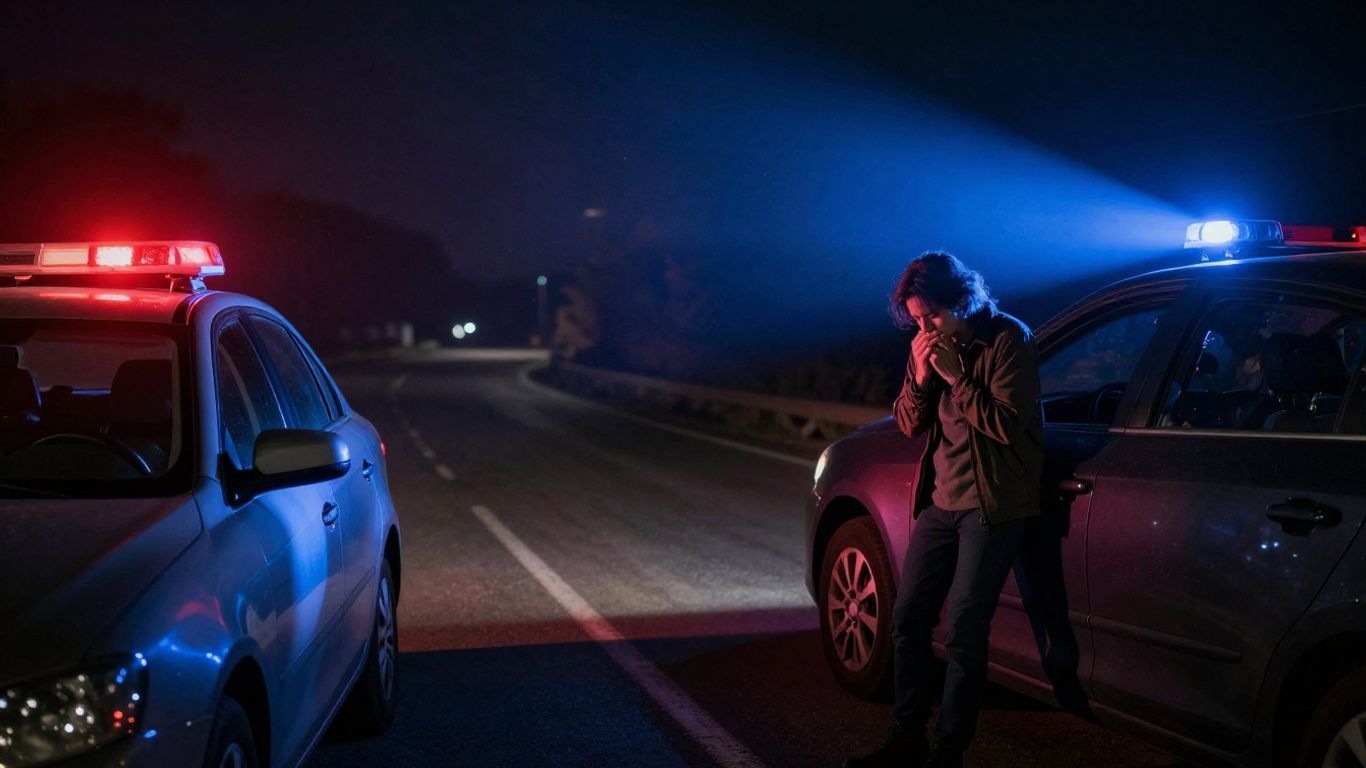
If you've been charged with Driving While License Revoked (DWLR) in Wake County, it's important to act quickly and correctly. This isn't a minor traffic ticket; it's a serious offense with potential jail time and further license suspension.
Do Not Drive Under Any Circumstances
This might seem obvious, but it bears repeating. Driving while your license is revoked will only make your situation significantly worse. Each instance of driving on a revoked license can lead to additional DWLR charges, compounding the penalties and making eventual license reinstatement much harder. Think of it as adding fuel to an already burning fire.
Obtain Your Official Driving Record
To understand the specifics of your situation, you need to know exactly why your license is revoked. Request your official driving record from the North Carolina Department of Motor Vehicles (DMV). This document will detail the reasons for the revocation, any associated dates, and the status of your driving privilege. Knowing this information is the first step toward addressing the underlying issues.
Gather All Relevant Documentation
Collect everything related to your license revocation and the DWLR charge. This includes:
- Any notices you received from the DMV regarding the suspension.
- Court documents from any previous offenses that led to the revocation.
- The citation you received for the DWLR charge.
- Any correspondence from the DMV or courts.
Having all this information organized will be incredibly helpful when you speak with an attorney.
Seek Legal Counsel Immediately
Dealing with a DWLR charge on your own is a mistake. The laws and procedures surrounding DWLR offenses and license suspensions are complex. An experienced attorney can review your case, identify potential defenses, and represent you in both criminal court and any necessary DMV hearings. They can help you understand if your license was revoked for reasons like unpaid fines or reckless driving and work towards resolving those issues. Don't wait; contact a qualified attorney as soon as possible.
Navigating the Wake County Court System
Court Appearance Requirements
When you are charged with Driving While License Revoked (DWLR) in Wake County, you will be required to appear in court. This isn't a suggestion; it's a legal obligation. Failure to appear for your scheduled court date can lead to additional charges, such as "Failure to Appear," and can result in an arrest warrant being issued. This can further complicate your situation and lead to your license being suspended indefinitely by the NC DMV until the matter is resolved. It's important to understand that simply paying a ticket might not be the best approach. You should get a case review to understand the full impact before deciding. Understand your risks.
The Role of Your Attorney in Court
An attorney can represent you in court, meaning you may not have to be present for every appearance. This is particularly helpful if you have multiple cases or live far from Wake County. Your lawyer can handle initial appearances, file necessary paperwork, and negotiate with the prosecutor on your behalf. They can also help recall arrest orders if a "Failure to Appear" has already occurred, potentially saving you from being arrested. Having legal counsel present can significantly streamline the court process and protect your rights.
Understanding Court Procedures
The Wake County court system can be complex. For DWLR charges, you'll typically appear before a District Court judge. The process often involves:
- Initial Appearance: Your attorney may appear for you to enter a plea and discuss the case.
- Plea Negotiations: Your attorney will discuss potential resolutions with the prosecutor.
- Trial: If no agreement is reached, your case may proceed to trial.
- Sentencing: If found guilty, the judge will impose a sentence.
It's important to remember that resolving the DWLR charge itself doesn't automatically reinstate your license. You must also address the underlying reasons for the revocation. Your attorney can help you understand these steps and work towards getting your license back legally. Work toward restoring your privileges.
Working With the NC DMV
DMV Hearings and Procedures
Dealing with the North Carolina Department of Motor Vehicles (DMV) after a Driving While License Revoked (DWLR) charge can feel like a maze. It's important to understand that a DWLR charge is separate from the administrative actions the DMV takes regarding your license. Even if you resolve the court case, your license might still be suspended. You'll need to address the reasons for the original revocation directly with the DMV. This often involves attending specific hearings or meetings. Failure to properly engage with the DMV can lead to continued suspension, even if your court case is dismissed.
License Reinstatement Requirements
Getting your license back isn't as simple as paying a fine. The DMV has specific requirements that must be met before they will reinstate your driving privilege. These requirements depend entirely on why your license was revoked in the first place. Common reasons include unpaid fines, failure to appear in court, or serious traffic offenses like DWI. You must clear up all outstanding issues that led to the suspension. This might involve paying reinstatement fees, completing a driver improvement clinic, or resolving old court cases. You can find out what you need to do by contacting the court in the county where you received a citation or failed to pay fines, and then contacting the NCDMV.
Preventing Further Administrative Penalties
Once you've been charged with DWLR, you need to be extra careful to avoid more trouble with the DMV. Driving while your license is already revoked is a serious offense, and getting caught again only makes things worse. This can lead to longer suspension periods or even permanent revocation in some cases. It's vital to understand that operating a vehicle after receiving official notification that your license has been suspended is the core of a DWLR offense. To prevent additional penalties, you must strictly adhere to the terms of your suspension and work diligently to meet all reinstatement requirements. This includes avoiding any further traffic violations.
- Do not drive at all while your license is suspended.
- Gather all notices from the DMV and court documents.
- Understand the specific reason for your license revocation.
Resolving your court case for DWLR is only one part of the process. You must also satisfy all the requirements set by the NC DMV to get your license back. Ignoring the administrative side can leave you unable to drive legally for a much longer period.
Legal Representation for DWLR Wake County NC

Benefits of Experienced Legal Counsel
Getting charged with Driving While License Revoked (DWLR) in Wake County is a serious matter. It's not something you should try to handle on your own. Hiring an attorney experienced in North Carolina DWLR cases can make a significant difference in your outcome. An attorney understands the complexities of the Wake County court system and the North Carolina DMV. They know the common pitfalls and how to build a strong defense. This isn't just about avoiding penalties; it's about getting your driving privileges back on track.
How Attorneys Address Underlying Suspensions
Often, a DWLR charge stems from an underlying issue that caused your license to be revoked in the first place. This could be unpaid fines, a failure to appear in court, or even a DWI conviction. Simply paying a ticket for DWLR won't fix the original problem. Your attorney will investigate the root cause of your license suspension. They can work to resolve these underlying issues, which might involve:
- Addressing outstanding court costs and fines.
- Clearing up failure to appear warrants.
- Working with the DMV to understand reinstatement requirements.
- Negotiating with prosecutors on the original revocation offense.
Resolving these issues is key to getting your license reinstated and avoiding future DWLR charges. It's a multi-step process that requires careful attention to detail.
Achieving Dismissals and Reduced Charges
An experienced attorney has several strategies they can employ to fight a DWLR charge. They will examine the details of your traffic stop, the notification you received (or didn't receive) about your license status, and any procedural errors made by law enforcement. Depending on the specifics of your case, potential outcomes include:
- Dismissal of the DWLR charge: This is the best-case scenario, meaning the charge is dropped entirely.
- Reduction to a lesser offense: Sometimes, the charge can be reduced to something like driving without an operator's license, which carries less severe penalties.
- Prayer for Judgment Continued (PJC): In some cases, a PJC can be obtained, meaning no points are assessed against your license or insurance.
It's important to remember that even if your DWLR charge is dismissed or reduced, you still need to address the underlying reason your license was revoked. An attorney can help you navigate this process and work towards getting a valid license again. Don't delay in seeking legal help; the sooner you act, the better your chances of a favorable resolution.
If you're facing a DWLR charge in Wake County, seeking legal counsel is a smart move. You can find attorneys who specialize in traffic violations and can help you understand your options. For instance, Jeremy Cotten is an attorney who assists clients with various traffic issues in the area. Understanding your citation and considering legal counsel is vital before deciding on a course of action.
Alternatives to Driving
Driving while your license is revoked in Wake County carries significant legal risks. If you find yourself in this situation, it's important to consider how you will manage your daily transportation needs without getting behind the wheel. Exploring alternative transportation methods is not just a suggestion; it's a necessity to avoid further legal trouble.
Public Transportation Options in Wake County
Wake County offers public transit services that can help you get around. The GoRaleigh transit system provides bus service throughout the greater Raleigh area and downtown. While it may require some planning, using the bus system can be a reliable way to commute to work, run errands, or attend appointments. Fares are typically low, making it an economical choice.
Rideshare and Taxi Services
For more direct or on-demand transportation, rideshare services like Uber and Lyft are available in Wake County. These services can be booked through smartphone apps and offer a convenient way to travel. Traditional taxi services also operate in the area and can be a good option, especially if you need to travel during off-peak hours or to locations not easily served by public transit. You can often find local taxi companies with readily available vehicles.
Carpooling and Other Commuting Methods
Carpooling is another practical alternative. You might be able to arrange rides with friends, family, or coworkers who are traveling in the same direction. Websites and apps designed for carpooling can help connect you with others looking to share rides. Additionally, depending on your location and destination, consider biking or walking for shorter trips. These methods not only help you avoid driving with a revoked license but also offer health benefits.
Relying on alternative transportation is a proactive step to manage your life while your driving privileges are suspended. It demonstrates responsibility and helps prevent additional charges that could complicate your situation further. Making arrangements for rides before you absolutely need them can save you from making a difficult decision under pressure.
Thinking about skipping the car for your next trip? There are many great ways to get around without driving. Exploring these options can save you money and help the environment. Discover the best alternatives for your commute and travel needs on our website!
Wrapping Up: What You Need to Know
Look, getting a DWLR charge in Wake County isn't like getting a simple ticket. It's serious, and you can't just ignore it. The penalties can really mess with your life, from fines to potentially losing your license for even longer, or worse. It's not something you want to try and figure out on your own. The rules about licenses and courts are complicated, and frankly, messing them up can make things much worse. Your best bet is to get some solid advice from someone who knows the system inside and out. They can help you understand exactly what you're up against and what steps you need to take to sort things out, whether that means dealing with the court or the DMV. Don't let this charge snowball into a bigger problem.
Frequently Asked Questions
What exactly is Driving While License Revoked (DWLR) in Wake County?
Driving While License Revoked, or DWLR, means you were caught driving a vehicle when the North Carolina DMV had officially taken away or put a hold on your ability to drive. It's different from just not having your license with you or never having had one. Your license could be suspended for many reasons, and driving during that time is the offense.
Why was my driver's license revoked in the first place?
Your license might have been taken away for several reasons. Common causes include not showing up for court dates, failing to pay fines or court costs for tickets, serious traffic violations, or even not paying child support. If you had a DWI (Driving While Impaired) charge, that's also a frequent reason for license revocation.
What are the possible penalties if I'm convicted of DWLR in Wake County?
The consequences can be quite serious. A DWLR charge is typically a misdemeanor. If your license was revoked for reasons other than a DWI, it's usually a Class 3 misdemeanor, which could mean jail time and fines. However, if your license was revoked because of a DWI-related issue, it can be a more serious Class 1 misdemeanor, leading to longer jail sentences and further license suspension.
How does a DWLR conviction affect my car insurance?
Getting convicted of DWLR can significantly increase your car insurance rates. It often adds points to your driving record, which insurance companies see as a sign of higher risk. This can lead to a substantial jump in your premiums for several years, making your insurance much more expensive.
Can I get my license back after a DWLR charge?
Getting your license back depends on why it was revoked initially and the outcome of your DWLR charge. You'll likely need to address the original reason for the suspension, such as paying fines or completing court requirements. Sometimes, resolving the DWLR charge itself can help clear the path for reinstatement, but it's a complex process.
What should I do if I'm charged with DWLR?
First and foremost, do not drive any further. Driving again while your license is revoked will only lead to more severe charges. It's crucial to gather all documents related to your license suspension and your charge. Most importantly, you should contact an attorney who specializes in DWLR cases in Wake County as soon as possible.
Are there any defenses against a DWLR charge?
Yes, there can be defenses. One common defense is if you never received proper notice from the DMV that your license was revoked. Other defenses might involve challenging the reason for the stop or arrest, proving you weren't the one driving, or in very rare cases, showing you had to drive due to an emergency with no other option.
What are my transportation options if I can't drive?
Even without your license, you have alternatives in Wake County. You can explore public transportation like the GoRaleigh bus system. Rideshare services such as Uber and Lyft are also available. Additionally, consider carpooling with friends or family, or even biking or walking for shorter trips to avoid further legal trouble.
Charged with dwlr in NC?
Cotten Firm serves Wake, Johnston, Harnett, Chatham & Orange counties. Sign up online in minutes — we handle the court appearance so you don't have to.
Sign Up Now → Get Started