NC Seatbelt Ticket: Why It's More Than a Minor Infraction
Driving in North Carolina comes with a set of rules, and one of the most basic is wearing your seat belt. It might seem like a small thing, a quick click before you drive off. But what happens when you get an NC seatbelt ticket? It's more than just a minor inconvenience; it can affect your driving record and even your insurance rates. Let's look at why this ticket is a bigger deal than you might think.
Key Takeaways
- North Carolina law requires drivers and all passengers to wear a seat belt. There are specific rules for children, and officers can pull you over solely for a seat belt violation because it's a primary enforcement state.
- An NC seatbelt ticket comes with a fine, typically around $25.50 for front-seat occupants. While this might seem low, it's important to understand the potential for NC seatbelt ticket points insurance impacts.
- While a single seatbelt ticket might not add points directly to your license in North Carolina, it can still be considered by insurance companies. Multiple violations or combining a seatbelt ticket with other offenses could lead to increased premiums.
- Insurance companies view traffic violations, including seatbelt tickets, as indicators of driving behavior. Even a seemingly minor infraction can contribute to higher insurance rates, especially if you have a history of tickets.
- Understanding the specifics of NC seatbelt ticket points insurance implications is vital. While direct points may not always apply for a first-time seatbelt offense, the ticket's presence on your record can influence your insurance costs, making it worthwhile to contest if you have a valid defense.
North Carolina Seat Belt Law Basics
In North Carolina, wearing a seat belt isn't just a suggestion; it's a legal requirement designed to keep you and your passengers safe. Understanding these rules is the first step to avoiding a ticket.
Who Must Wear A Seat Belt In NC
All drivers and passengers, age 16 and older, are required to wear a seat belt. This applies whether you're sitting in the front or back seat of the vehicle. The driver is held responsible for ensuring all occupants under 16 are properly restrained. For those 16 and older, individual responsibility applies.
Proper Seat Belt Usage Requirements
North Carolina law requires the use of the entire seat belt system as provided in the vehicle. This means if your seat has both a lap and shoulder belt, you must use both. Wearing the shoulder belt behind your back or under your arm does not meet the legal requirement. The belt must be worn correctly across your lap and shoulder.
Exemptions To The NC Seat Belt Law
While the law is broad, there are a few specific situations where a seat belt is not required:
- Vehicles not originally equipped with seat belts (generally, vehicles made before 1968).
- Certain delivery vehicles making frequent stops at low speeds (under 20 mph).
- Rural letter carriers and newspaper carriers while actively performing their duties.
- Occupants of motor homes (excluding the driver and front seat passengers).
- Backseat passengers in law enforcement vehicles who are in custody.
- Individuals with a certified medical condition or phobia that prevents them from using a seat belt, provided they have proper documentation.
It's important to note that these exemptions are specific. If you don't fall into one of these categories, you are expected to buckle up every time you are in a vehicle in North Carolina. You can find more details about traffic court procedures if you need to address a citation at Navigating North Carolina traffic court.
The driver of the vehicle bears the responsibility for themselves and any passengers under the age of sixteen. Passengers who are sixteen or older are responsible for their own compliance with the seat belt law.
Consequences Of An NC Seatbelt Ticket
The Fine For A Seatbelt Violation In NC
Getting a seatbelt ticket in North Carolina might seem like a minor inconvenience, but it comes with a direct financial cost. For drivers and front-seat passengers aged 16 and older, the penalty is typically $25.50, plus court costs. For backseat passengers aged 16 and older, the penalty is $10, also plus court costs. While these amounts might not seem huge on their own, they add up, especially if you receive multiple tickets.
NC Seatbelt Ticket Points
One of the more significant aspects of an NC seatbelt ticket is what doesn't happen. Unlike many other traffic violations, a standard seatbelt ticket in North Carolina does not add points to your driver's license. This is a key distinction. You won't see your license points increase, which can be a relief for many drivers. This also means that a seatbelt ticket, by itself, generally won't trigger the insurance point system that often follows other moving violations.
Impact On Your Driving Record
While a seatbelt ticket doesn't add points to your license, it still becomes part of your driving record. This record is what law enforcement and, potentially, insurance companies look at. For most drivers, a single seatbelt ticket won't have a lasting negative impact on their driving record. However, if you accumulate multiple tickets, or if the seatbelt violation occurs alongside other offenses, it could contribute to a more serious overall picture of your driving habits. It's always best to avoid any traffic violations to keep your record as clean as possible. Remember, even minor infractions can have unforeseen consequences down the line, so it's wise to stay compliant with all traffic laws. If you're concerned about your driving record, understanding how traffic violations are tracked is important. Consulting an attorney can provide clarity on how specific tickets might affect your record and future driving.
NC Seatbelt Tickets And Insurance Rates
How Insurance Companies View Seatbelt Tickets
Insurance companies look at traffic violations as signs of how safely you drive. A seatbelt ticket, even though it might seem minor, can signal to your insurer that you might be a riskier driver. This perception can affect your policy. They often use these tickets, along with other moving violations, to assess your overall driving behavior.
Potential For Increased Premiums
While a single seatbelt ticket might not cause your insurance rates to jump dramatically, it can contribute to an increase, especially if you have other tickets or points on your record. Some insurers might view it as a reason to raise your premiums. This is because the Safe Driver Incentive Plan (SDIP) in North Carolina can assign surcharges for certain violations, and while seatbelt tickets aren't always assigned points, they can still be noted by insurance companies. Over time, these small increases can add up.
Protecting Your Insurance From Hikes
If you receive a seatbelt ticket, it's wise to consider your options. Fighting the ticket, or seeking a reduction in the charge, could help prevent it from appearing on your record in a way that negatively impacts your insurance. This can be particularly important if you have a clean driving history otherwise. Sometimes, a simple error on the ticket or proof of proper seatbelt usage at the time can be grounds for dismissal. If you're unsure how to proceed, consulting with a legal professional can provide clarity on how to best protect your insurance rates from unnecessary hikes.
Primary Enforcement In North Carolina
What Primary Enforcement Means For Drivers
In North Carolina, the law allows law enforcement officers to pull you over solely for a seatbelt violation. This is known as primary enforcement. It means an officer doesn't need another reason, like speeding or a broken taillight, to initiate a traffic stop if they observe someone not wearing a seatbelt. This is a key difference from secondary enforcement, where an officer must have another lawful reason to stop you before addressing a seatbelt issue. This direct authority means you can be stopped and cited just for failing to buckle up.
When An Officer Can Pull You Over
An officer has the authority to stop your vehicle if they witness any violation of North Carolina's seatbelt law. This includes:
- Not wearing a seatbelt yourself.
- A passenger in your vehicle not wearing a seatbelt.
- A child under 16 not being properly secured in an appropriate car seat or booster seat, or with a seatbelt if they are large enough.
It's important to remember that this applies to all seating positions in the vehicle, not just the front seats. Even if you're stopped for something else, an officer can still issue a seatbelt ticket if they observe a violation during the stop.
Avoiding Unnecessary Stops
The simplest way to avoid a seatbelt ticket and the associated stop is to ensure everyone in your vehicle is properly buckled up before you start driving. This includes all passengers, regardless of their age or where they are sitting. Make it a habit to check that seatbelts are fastened correctly for every trip, no matter how short. This proactive approach not only keeps you compliant with the law but also contributes to the safety of everyone on the road. For those with children, understanding the specific requirements for child passenger safety laws in NC is also vital to prevent violations.
North Carolina law is clear: if an officer sees a seatbelt violation, they have the legal grounds to make a traffic stop. This isn't about finding other offenses; it's about enforcing the seatbelt law directly. Being aware of this primary enforcement power is the first step in avoiding these stops.
Child Passenger Safety Laws In NC
Specific Requirements For Minors
North Carolina takes child safety seriously. The law requires specific restraints for children based on their age, weight, and height. The driver is always responsible for any passenger under 16 years old. This means if a child in your vehicle isn't properly secured, the ticket is yours.
Here’s a breakdown of what you need to know:
- Children under 8 years old and weighing less than 80 pounds: Must be secured in a child passenger restraint system (car seat or booster seat) that is appropriate for their weight.
- Children under 5 years old and weighing less than 40 pounds: If the vehicle has a rear seat, these children must be in the back seat. This is especially important if the front passenger seat has an active airbag. If the car seat isn't designed for use with airbags, it's a definite no-go for the front seat.
- Children 8 to 15 years old: Must use a seat belt. If a child is between 40 and 80 pounds and the seating position doesn't have a lap and shoulder belt, a properly fitted lap belt can be used. Children weighing 80 pounds or more can use a properly fitted seat belt with a shoulder harness.
Remember, these rules apply to all seating positions in the vehicle, front and back.
Penalties For Child Restraint Violations
Failing to properly secure a child can lead to a ticket. For violations involving children under 16, the driver receives the ticket. The penalties can include:
- A fine, typically around $25.
- Court costs, which can add significantly to the total amount, often around $53.50.
While these tickets don't usually add points to your driver's license or affect your insurance, they are still a financial and legal consequence. It's important to note that if the violation involves a child under eight, and you can show proof of acquiring the correct child restraint device (CRD) since the violation, the conviction might be dismissed.
The National Highway Traffic Safety Administration estimates that child safety seats reduce the risk of fatal injury by 71 percent for infants and 54 percent for toddlers. Using the correct restraint is not just about avoiding a ticket; it's about protecting your child.
Ensuring Children's Safety On The Road
Keeping children safe in the car is a top priority. It starts with understanding and following North Carolina's child passenger safety laws. Make sure you have the correct car seat or booster seat for your child's age, weight, and height. Always check the manufacturer's instructions for both the restraint system and your vehicle. If you're unsure about proper installation, many local fire departments or law enforcement agencies offer free car seat checks. Properly installed and used restraints are your best defense against serious injury in a crash. For more information on traffic laws, you can look into NC traffic laws.
Children under 13 should ideally ride in the back seat for maximum safety, especially in vehicles with airbags. This simple step can make a big difference in protecting your youngest passengers.
Common Reasons For NC Seatbelt Tickets
Failing to Buckle Up
This is the most straightforward reason for a seatbelt ticket. If a law enforcement officer observes that you, or any passenger in your vehicle, are not wearing a seatbelt, they can issue a citation. This applies regardless of whether you are in the front or back seat, and even on short trips. North Carolina law requires all occupants, regardless of seating position, to be properly restrained. This simple act of buckling up is the easiest way to avoid this type of violation.
Improper Seat Belt Use
It's not just about having the seatbelt on; it's about wearing it correctly. North Carolina law specifies that the entire seatbelt system must be used. This means both the lap and shoulder belts must be worn, unless your vehicle is equipped with only a lap belt. Placing the shoulder belt behind your back or under your arm does not count as proper use and can still result in a ticket. Officers look for correct usage, so ensure your seatbelt is positioned as designed.
Passenger Violations
As the driver, you are responsible for yourself and all passengers under the age of 16. If a passenger under 16 is not properly restrained, you will receive the ticket. For passengers aged 16 and older, they are responsible for their own seatbelt use. However, if they fail to buckle up, the officer can issue them a citation directly. This shared responsibility means everyone in the vehicle needs to be aware of and comply with the seatbelt laws to avoid citations. If you're concerned about how to handle a ticket, understanding options for dismissing an NC speeding ticket might offer some insight into legal processes, though seatbelt violations have their own specific rules.
Fighting Your NC Seatbelt Ticket
Receiving a seatbelt ticket in North Carolina can feel like a hassle, but it doesn't have to be the end of your driving record as you know it. There are steps you can take to address the situation and potentially avoid the full consequences. Understanding your options is the first step toward a better outcome.
Steps to Take After Receiving a Ticket
Once you have a ticket in hand, it's important to act promptly. Don't just ignore it. Here’s a breakdown of what you should do:
- Review the Ticket Carefully: Look over every detail on the citation. Check for any errors in your name, address, vehicle information, the location of the alleged violation, or the specific statute cited. Even small mistakes can sometimes be grounds for dismissal.
- Document Everything: Make notes about the circumstances surrounding the stop. What were the road conditions like? Was visibility an issue? If you believe you were wearing your seatbelt, try to gather any evidence that supports your claim. This could include dashcam footage if you have it, or statements from passengers who were with you.
- Decide on Your Course of Action: Consider the potential penalties – fines, points, and insurance increases. Weigh this against the effort and potential cost of fighting the ticket. For some, paying the fine might seem easier, but it's worth exploring your options.
- Seek Legal Advice: Before you head to court, it's wise to consult with a legal professional who handles traffic violations in North Carolina. They can explain the law, assess your case, and advise you on the best strategy.
Gathering Evidence for Your Defense
Building a strong defense relies on solid evidence. Think about what could prove your case:
- Proof of Seatbelt Use: If you were indeed wearing your seatbelt, any photographic or video evidence showing you buckled up at the time of the stop is powerful. Even a passenger's testimony can be helpful.
- Ticket Discrepancies: As mentioned, errors on the ticket itself are a common defense. If the officer wrote down the wrong license plate number, or the location is incorrect, this could weaken the prosecution's case.
- Medical Exemptions: In rare cases, a documented medical condition might exempt you from wearing a seatbelt. If this applies, you'll need official documentation from a healthcare provider to present.
A seatbelt ticket might seem minor, but it can still impact your driving record and insurance rates. Taking the right steps after receiving one is key to managing the situation effectively.
Understanding Your Rights
When you're stopped by law enforcement, you have rights. While a seatbelt violation is typically a standard traffic stop, it's good to be aware of them. For instance, you have the right to be treated respectfully and the right to present your case in court. If you believe the ticket was issued in error, or if you have a valid defense, you have the right to contest it. Remember, the burden of proof is on the state to show you violated the law. If you're unsure about how to proceed, especially if you're facing potential license issues or significant fines, seeking legal counsel is a smart move. You can find information about traffic violations and your rights on the NC Courts website.
Defenses Against A Seatbelt Ticket
Receiving a seatbelt ticket in North Carolina might feel like a simple, unavoidable penalty, but you often have more options than you think. Sometimes, tickets are issued with errors, or there are specific circumstances that could excuse the violation. Understanding these potential defenses is your first step in challenging a ticket.
Ticket Errors and Discrepancies
It's not uncommon for law enforcement officers to make mistakes when filling out traffic citations. These errors, even minor ones, can sometimes be enough to get a ticket dismissed. You should carefully review your ticket for any inaccuracies. Look for things like:
- Incorrect vehicle information (make, model, license plate)
- Wrong date or time of the alleged violation
- Inaccurate location where the ticket was issued
- Misspelled names or incorrect driver's license information
If you find a significant error on your ticket, it could provide a solid basis for a defense. It’s worth noting these discrepancies and discussing them with a legal professional.
Proof of Seatbelt Usage
Sometimes, you might be issued a ticket even though you were, in fact, wearing your seatbelt. This can happen due to an officer's misperception or a brief moment of inattention. If this is your situation, gathering evidence is key. This could include:
- Photographs showing you wearing the seatbelt at the time of the stop.
- Dashcam footage from your vehicle or another vehicle that captured the incident.
- Testimony from passengers in your vehicle who can confirm you were buckled up.
Having proof that you were complying with the law can be a strong defense against a seatbelt ticket.
Medical Exemptions
North Carolina law does provide exemptions for individuals who cannot wear a seatbelt due to a documented medical condition. If you have a physical condition that makes wearing a seatbelt unsafe or impossible, you may be exempt. To use this as a defense, you will need to provide official documentation from a healthcare provider. This documentation should clearly state:
- The nature of your medical condition.
- Why wearing a seatbelt is not feasible or safe for you.
- The expected duration of this condition.
Without proper medical documentation, this defense is unlikely to be successful. It's important to have this paperwork in order before you plan to contest the ticket on these grounds. If you're dealing with a ticket and unsure how to proceed, seeking advice from a traffic attorney can be beneficial, especially if you're in areas like Smithfield, NC, where patrols can be increased. potential outcomes include fine reduction.
The Value Of Legal Representation
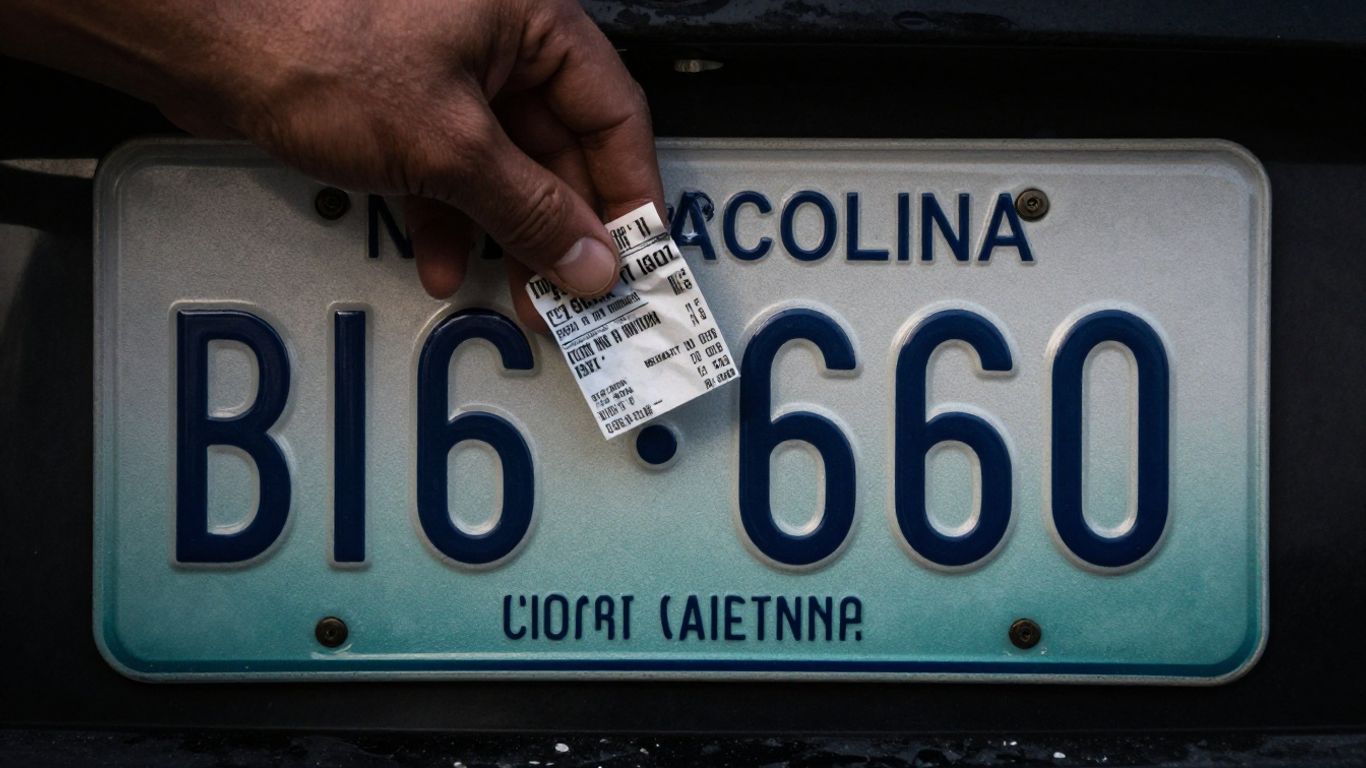
Expertise In Traffic Law
Dealing with a seat belt ticket can feel like a hassle, and you might think you can handle it yourself. However, North Carolina's traffic laws have their own set of rules. An attorney who focuses on traffic violations knows these rules inside and out. They understand the specific procedures for seat belt cases and what arguments are most likely to succeed. This specialized knowledge can make a significant difference in your case's outcome. They can spot issues with the ticket or the way it was issued that you might miss.
Navigating The Court System
Going to court can be confusing, especially if it's your first time. A lawyer acts as your guide through the entire process. They know how to file the necessary paperwork, communicate with the prosecutor, and present your case effectively to the judge. This takes a lot of the stress off your shoulders. You can focus on your daily life while your attorney handles the legal steps. If you're looking to challenge a ticket, understanding how to approach the court system is key. Challenging a speeding ticket involves similar principles of understanding legal procedures.
Negotiating Reduced Penalties
Even if a dismissal isn't possible, a lawyer can often negotiate a better outcome than you might achieve on your own. They can work to get the charges reduced to a non-moving violation, which might not carry points on your license. They can also sometimes negotiate to lower the fine amount. The goal is to minimize the impact on your driving record and your insurance rates. A good attorney aims to protect your interests at every turn.
NC Seatbelt Ticket Points And Insurance
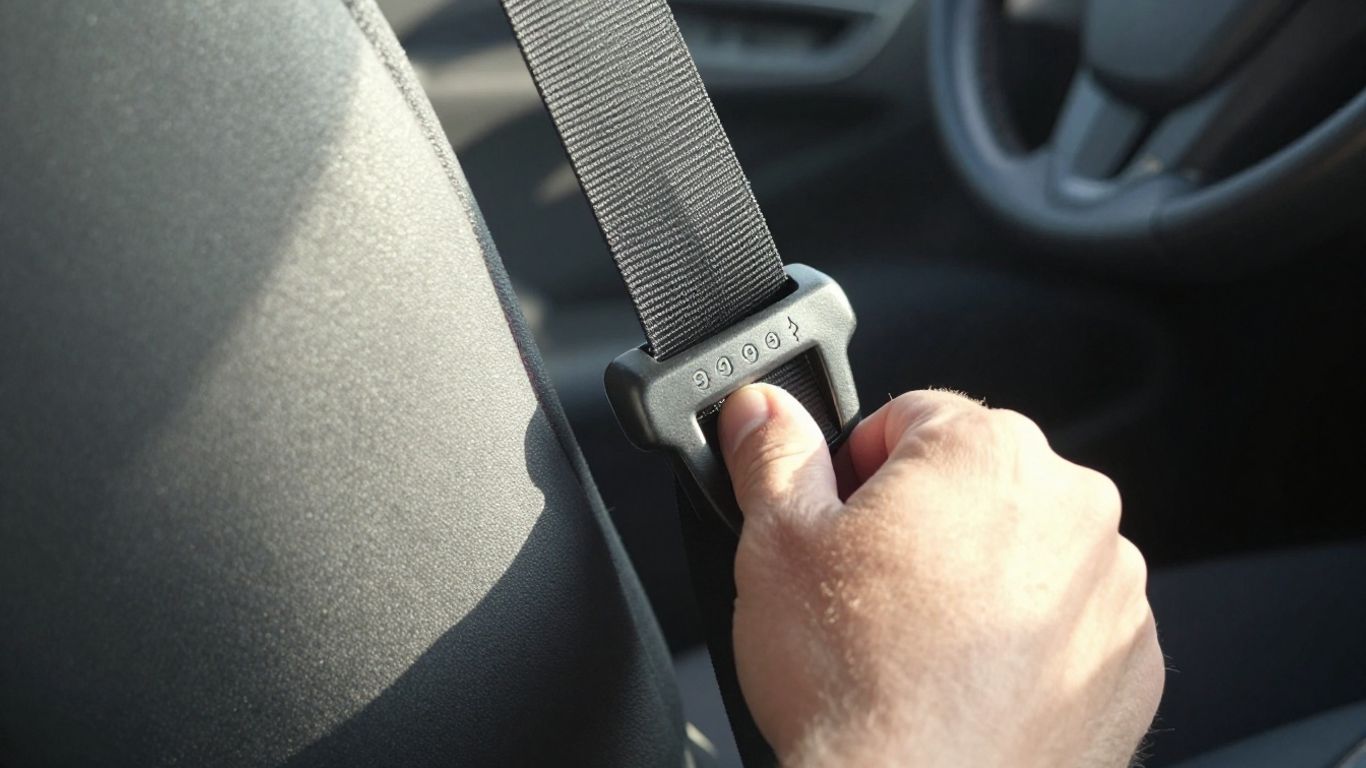
Understanding NC DMV Points
In North Carolina, traffic violations can lead to two different types of points that affect your driving record and finances. First, there are the DMV license points. These are assigned by the North Carolina Division of Motor Vehicles and track your overall driving behavior. Accumulate 12 or more of these points within a three-year period, and you could face a suspension of your driver's license. A seatbelt ticket, while often a minor infraction in terms of immediate penalty, can still contribute to this point total if it's not handled properly.
How Points Affect Insurance
The second type of points are insurance points, often referred to as SDIP (Safe Driver Incentive Plan) points. These are managed by the NC Rate Bureau and have a direct impact on your auto insurance premiums. Unlike DMV points, which primarily affect your driving privilege, insurance points directly affect your wallet. Even a single insurance point can lead to an increase in your auto insurance rates. A seatbelt ticket, depending on how it's classified and reported, can result in these insurance points being added to your record.
The Link Between Tickets, Points, and Insurance Costs
It's important to understand how these systems connect. While a seatbelt ticket in North Carolina might carry a relatively low fine of $25.50 for front-seat occupants, it's not just about the immediate cost. If this violation results in insurance points, your premiums could rise. This is because insurance companies view traffic violations as indicators of higher risk. A history of tickets, even seemingly minor ones like a seatbelt violation, can signal to insurers that you are a riskier driver, leading to higher costs over time. For example, a single speeding ticket can add 4 insurance points, while a seatbelt ticket might add fewer, but still contribute to a pattern of violations that insurers notice. It's always wise to address any traffic ticket to prevent potential long-term financial consequences.
The financial impact of traffic tickets often extends beyond the initial fine. Understanding how violations translate into points on your driving record and insurance policy is key to managing your overall costs and maintaining a clean driving history.
Getting a ticket for not wearing a seatbelt in North Carolina can be a real headache, especially when it comes to points on your license and how it might affect your car insurance rates. Don't let this ticket add stress to your life. We can help you understand the consequences and work towards a solution. Visit our website today to learn more about how we handle NC seatbelt tickets and what steps you can take.
Final Thoughts on Seatbelt Safety and Tickets
So, you've seen that a seatbelt ticket in North Carolina is more than just a small fine. It's about safety, yes, but it also carries potential consequences for your driving record and even your insurance rates. While the law is clear about buckling up, understanding the specifics of primary enforcement here in NC means officers can stop you just for that. If you do get a ticket, remember that you have options. Don't just pay it and move on without considering the impact. Taking the time to understand your rights and potential defenses is important. If you're unsure how to proceed, seeking advice from someone who knows the system can make a real difference.
Frequently Asked Questions
What is the basic rule for seat belts in North Carolina?
In North Carolina, it's the law for every person in a vehicle to wear a seat belt. This applies to everyone, no matter where they are sitting in the car. Even if your car is older than 1967, you generally still need to wear one, as most vehicles today are equipped with them.
Can I get a ticket for not wearing my seat belt properly?
Yes, you can. It's not just about wearing the seat belt; you have to wear it correctly. If the shoulder strap is behind your back or you aren't using all parts of the belt as intended, an officer can give you a ticket for improper seat belt use.
Who is responsible if a passenger isn't wearing a seat belt?
If a front-seat passenger is not wearing a seat belt, the driver can receive the ticket. For passengers under 16 years old, the driver is responsible for ensuring they are properly buckled up. Passengers over 16 will typically receive their own ticket.
Are there any exceptions to the North Carolina seat belt law?
Generally, everyone must wear a seat belt. However, there might be exemptions for certain situations, like if you have a medical condition that prevents you from wearing one, or in some specific job-related circumstances, such as postal carriers actively delivering mail. Older vehicles manufactured before 1967 might also be exempt for adult occupants.
What happens if I get a seat belt ticket in North Carolina?
Receiving a seat belt ticket in North Carolina means you'll likely have to pay a fine. While it might seem like a small issue, it can also affect your driving record and potentially your car insurance rates, even if it doesn't add points directly.
Can police pull me over just for not wearing a seat belt in NC?
Yes, North Carolina has primary enforcement for seat belt laws. This means a police officer can stop your vehicle if they observe that you or a passenger are not wearing a seat belt.
What are the rules for children and seat belts in North Carolina?
North Carolina has specific laws for child passenger safety. Children under 16 must be properly secured in a seat belt or an appropriate child restraint system. The exact requirements can depend on the child's age, weight, and height to ensure their safety.
How can I fight a seat belt ticket in North Carolina?
If you believe you received a seat belt ticket unfairly, you have options. You can gather evidence, such as proof of seat belt usage or any errors on the ticket itself. Sometimes, seeking legal advice from a traffic lawyer can help you understand your rights and navigate the court process to potentially get the ticket dismissed or reduced.
Charged with nc traffic law in NC?
Cotten Firm serves Wake, Johnston, Harnett, Chatham & Orange counties. Sign up online in minutes — we handle the court appearance so you don't have to.
Sign Up Now → Get Started