CDL Holder Got an NC Traffic Citation: The Federal Reporting Trap
Getting a traffic ticket in North Carolina as a Commercial Driver's License (CDL) holder can feel like a simple inconvenience. However, this seemingly minor event can trigger a cascade of federal reporting requirements that many drivers overlook. Failing to report an out-of-state or even in-state traffic violation correctly can lead to serious consequences for your CDL and your livelihood. This article will break down the federal rules, explain the potential pitfalls, and guide you on how to handle a CDL holder NC traffic citation to protect your career.
Key Takeaways
- Federal regulations require CDL holders to report traffic convictions to their licensing state DMV within 30 days, regardless of where the violation occurred or what type of vehicle was involved.
- Failure to self-report a conviction can lead to penalties, including potential suspension of your CDL, even if the violation occurred out-of-state.
- Employers have the right to check your Motor Vehicle Record (MVR), and unreported citations can damage trust and jeopardize your employment.
- North Carolina's DMV has faced scrutiny from the FMCSA regarding its issuance of non-domiciled CDLs, highlighting the importance of strict compliance with all CDL-related regulations.
- Seeking legal advice promptly after receiving a traffic citation is advisable to understand your options and protect your commercial driving privileges and career.
Understanding the CDL Holder NC Traffic Citation Reporting Rule
Federal Regulations Mandate Driver Notification
Federal regulations, specifically under the Federal Motor Carrier Safety Administration (FMCSA), require commercial drivers to report traffic violations. If you hold a Commercial Driver's License (CDL) and are convicted of a traffic violation in any type of vehicle, you must notify your licensing state. This rule applies even if the violation occurred in a state other than the one that issued your CDL. The notification must be made within 30 days of the conviction date. This isn't just about your employer; your home state's Department of Motor Vehicles (DMV) needs to be informed so they can properly record the infraction on your driving record.
Employer Notification Requirements
Beyond notifying your licensing state, you also have a duty to inform your current employer of any traffic violation conviction. This notification must also be made within 30 days of the conviction. If you are not currently employed as a commercial driver, you are still obligated to notify the state that issued your CDL. Failing to report to your employer can have immediate consequences for your job, as many carriers have strict policies regarding driver conduct and reporting.
Consequences of Failing to Report
Not reporting a traffic citation can lead to serious repercussions. Forgetting or neglecting to notify your licensing state DMV within the 30-day window can result in penalties from the state, potentially including suspension or revocation of your CDL. Similarly, failing to inform your employer can lead to disciplinary action, up to and including termination. It's important to remember that employers have the right to check your driving record, and any unreported violations will eventually surface, damaging the trust between you and your carrier. For instance, if you receive a speeding ticket in Johnston County, North Carolina, and fail to report it, you could face more severe consequences than if you had been proactive. consulting a local attorney is crucial.
The Federal Reporting Trap for CDL Holders
Beyond State Lines: Out-of-State Violations
When you hold a Commercial Driver's License (CDL), the rules for traffic violations extend far beyond the borders of North Carolina. Federal regulations, specifically the Federal Motor Carrier Safety Administration (FMCSA) rules, require you to report certain traffic convictions to both your employer and the state that issued your CDL. This applies even if the violation occurred in a different state and in a vehicle that wasn't a commercial motor vehicle. Failing to report an out-of-state conviction within 30 days can lead to serious consequences. It's not enough to assume your home state DMV will automatically know about a ticket you received elsewhere. The system isn't designed that way for CDL holders.
The 30-Day Reporting Window
Federal regulations are clear: you have 30 days from the date of conviction to report a traffic violation to your employer and your licensing state. This isn't a suggestion; it's a mandate. The conviction includes anything other than a simple parking violation. This means speeding tickets, running a red light, or any other moving violation, regardless of the vehicle you were driving at the time, must be reported.
Here's a breakdown of what you need to report:
- Any conviction for violating a state or local law relating to motor vehicle traffic control.
- This applies even if the violation occurred in a non-commercial vehicle.
- The conviction must be reported within 30 days of the conviction date.
Why Your Home State DMV Must Be Notified
Many drivers mistakenly believe that their employer is solely responsible for reporting violations or that all violations automatically appear on their driving record. While employers do have responsibilities, the CDL holder has a direct obligation to notify their licensing state. The FMCSA mandates that you inform the official designated by the state that issued your CDL about any out-of-state convictions. This ensures that your driving record, which is used to maintain your CDL status, is accurate and up-to-date. If you are not currently employed, you must notify the licensing state directly. This requirement is in place to maintain the integrity of the CDL program across all states.
The federal government oversees the CDL program, but each state issues its own license. There isn't a single, unified federal database where all out-of-state violations are automatically logged against your CDL. Your responsibility to report is a key part of how this system functions.
North Carolina's Role in CDL Compliance
Recent FMCSA Audits and Findings
The Federal Motor Carrier Safety Administration (FMCSA) has recently focused its attention on North Carolina's procedures for issuing Commercial Driver's Licenses (CDLs). An audit conducted in August revealed significant issues, particularly with the issuance of non-domiciled CDLs and Commercial Learner's Permits (CLPs). The findings indicated a "breakdown in DMV's issuance process," with a reported 54% failure rate in a sample of 50 licenses reviewed. This means a substantial number of licenses were issued without proper verification of lawful U.S. residence or with validity dates extending beyond the driver's legal status. North Carolina has issued 924 valid non-domiciled CDLs and CLPs, and the state now faces the risk of losing up to $48.75 million in federal grants for fiscal year 2027 if these issues are not promptly addressed.
NC DMV's Non-Domiciled CDL Issues
The audit highlighted several specific failures by the North Carolina Division of Motor Vehicles (NCDMV) concerning non-domiciled CDLs. These included:
- Issuing licenses with validity dates that exceeded a driver's legal U.S. presence.
- Granting licenses to individuals who were already permitted to drive commercially in the U.S. with credentials from their home nations.
- Failing to secure verification of a foreign driver's lawful residence within the United States.
These lapses are not unique to North Carolina; other states have faced similar scrutiny from the FMCSA. The agency has stressed the "gravity of the findings" and expects North Carolina to "act expeditiously to achieve substantial compliance." The NCDMV has stated its commitment to upholding safety and integrity and is collaborating with federal partners to resolve these matters.
Potential Federal Funding Risks for North Carolina
As a direct consequence of these compliance failures, North Carolina is at risk of forfeiting substantial federal funding. The FMCSA has the authority to withhold transportation grants if states do not meet federal regulations for CDL issuance. The potential loss of nearly $50 million in federal grants for fiscal year 2027 is a serious concern. This situation underscores the importance of rigorous adherence to federal guidelines for all states issuing CDLs, as non-compliance can have significant financial and operational repercussions. Failure to correct these issues could impact the state's ability to fund critical transportation infrastructure and safety programs.
Consequences of an Unreported CDL Holder NC Traffic Citation
Impact on Your Commercial Driving Privileges
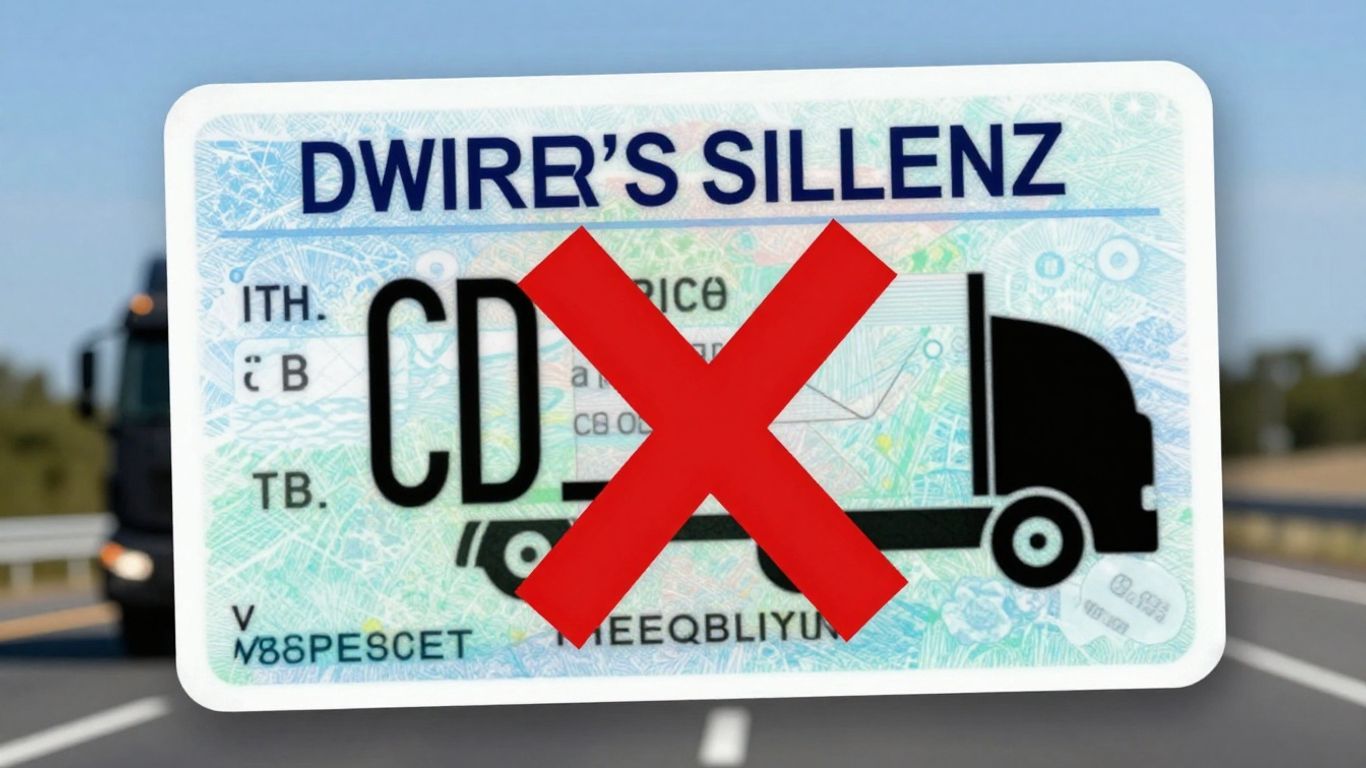
Failing to report an out-of-state traffic violation to your licensing state, even if it occurred in a non-commercial vehicle, can have serious repercussions for your Commercial Driver's License (CDL). Federal regulations require you to notify the state that issued your CDL of any traffic conviction within 30 days. If you don't, your CDL could be suspended or revoked. This isn't just about points on your license; it's about maintaining your ability to earn a living. A conviction that goes unreported can lead to a cascade of penalties, potentially disqualifying you from operating commercial vehicles.
Job Security and Employer Actions
Your employer relies on you to maintain a clean driving record. When you fail to report a citation, you violate trust and potentially company policy. Many carriers have strict rules about reporting all traffic violations, regardless of where or in what type of vehicle they occur. An unreported ticket can be grounds for disciplinary action, including termination. Your CDL is your livelihood, and jeopardizing it through non-compliance puts your job directly at risk. It's always better to be upfront with your employer about any traffic issues you encounter.
Escalating Penalties and License Suspension
Ignoring the reporting requirement doesn't make the problem disappear; it makes it worse. If your home state's DMV eventually discovers the unreported conviction, they will likely impose penalties beyond what the issuing state would have. This can include extended suspension periods or even permanent revocation of your CDL. The Federal Motor Carrier Safety Administration (FMCSA) audits states for compliance, and North Carolina has faced scrutiny for its DMV processes. This means states are increasingly vigilant about tracking violations. A conviction that might have been a minor inconvenience can escalate into a major career-ending event if not handled properly. For instance, a simple speeding ticket in another state, if unreported, could eventually lead to a suspension that makes it impossible to renew your CDL. This is why addressing any traffic ticket promptly and reporting it as required is so important, whether it's a ticket in Lillington or anywhere else in the country Receiving a traffic ticket in Lillington or Harnett County, NC, requires prompt attention to avoid serious consequences like license suspension.
The federal mandate to report traffic convictions is not a suggestion; it's a requirement designed to ensure the safety of our roadways. When you hold a CDL, you are held to a higher standard. Failing to meet this standard through non-reporting can trigger severe consequences that extend far beyond a simple fine.
Navigating an Out-of-State Citation
Immediate Steps After Receiving a Ticket
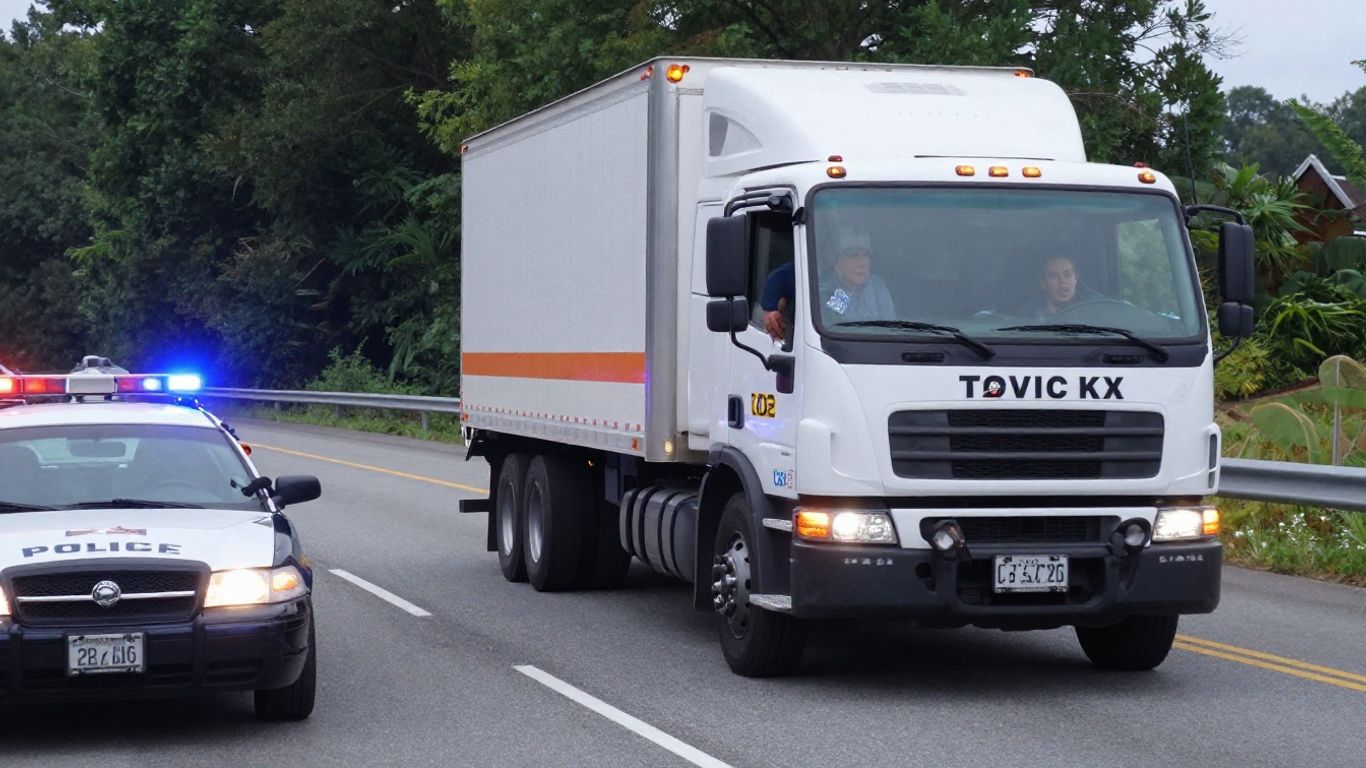
If you receive a traffic citation while driving in a state other than your home state, it's important to know that this ticket can still affect your Commercial Driver's License (CDL). The first thing you should do is carefully review the citation. Note the court date, the specific violation, and any instructions provided by the issuing officer. You are required to notify your employer of this conviction within 30 days, regardless of the state where the violation occurred. This notification is a federal requirement for all CDL holders. Failing to report it to your employer can lead to disciplinary action, up to and including termination.
Understanding the Violation's Scope
Federal regulations require CDL holders to report traffic convictions to their home state's DMV, even if the violation happened out-of-state and in a non-commercial vehicle. This means a simple speeding ticket received on vacation could end up on your driving record in North Carolina. The conviction will be reported to your home state's Department of Motor Vehicles (DMV) through the Commercial Driver's License Information System (CDLIS) or other state-to-state reporting mechanisms. It's not just about the fine; it's about maintaining your CDL privileges. You can check your driving record through the North Carolina DMV to see what information is being reported.
The Importance of Prompt Action
Ignoring an out-of-state citation is a risky move. The conviction will likely appear on your Motor Vehicle Record (MVR), which your employer can access. More importantly, your home state DMV must be notified. The federal rule states you must report the conviction to the state that issued your CDL within 30 days. This is separate from reporting it to your employer. For example, if you hold a North Carolina CDL and get a ticket in Virginia, you must inform both your employer and the NC DMV. Failing to do so can lead to penalties, including potential suspension of your CDL. If you're facing an out-of-state ticket, seeking legal advice from an attorney experienced in traffic law in Wake County can be beneficial, especially if you are not a resident of the state where you received the ticket.
Employer Awareness and CDL Records
Your employer has a right to know about your driving record. This isn't just about trust; it's a federal requirement for anyone holding a Commercial Driver's License (CDL). Carriers need to keep tabs on their drivers' histories to stay compliant with federal regulations.
Employer's Right to Check Records
Companies that employ CDL drivers are required by the Federal Motor Carrier Safety Administration (FMCSA) to maintain a driver qualification file. Part of this file includes regularly checking your Motor Vehicle Record (MVR). This allows them to see any traffic violations, accidents, or license suspensions that might affect your ability to drive commercially. They can, and often do, check your record in all states, not just where you live. This means an out-of-state ticket you might have forgotten about could show up.
How Violations Appear on MVRs
When you get a traffic citation, especially a moving violation, it typically gets reported to the Department of Motor Vehicles (DMV) in the state where the violation occurred. This information is then shared through a national network. Your employer, by pulling your MVR, can see these entries. The MVR will list the offense, the date, and the state where it happened. It's important to remember that even if you pay a fine, the violation often remains on your record for a set period, usually several years. This is why reporting any ticket, no matter how minor it seems, is so important.
Maintaining Trust with Your Carrier
Honesty is key in the trucking industry. When you fail to report a citation to your employer, you're not just risking a penalty from the FMCSA; you're damaging the trust between you and your carrier. If your employer discovers a violation through an MVR check that you didn't disclose, it can lead to disciplinary action, up to and including termination. It's always better to be upfront. If you receive a ticket, report it to your employer immediately, even if you plan to fight it or believe it won't affect your CDL status. This proactive approach shows responsibility and helps maintain a good working relationship. Remember, your employer relies on you to be a safe and compliant driver, and transparency about your driving record is a big part of that.
Defending Against Traffic Citations in North Carolina
Receiving a traffic citation in North Carolina, especially while holding a Commercial Driver's License (CDL), can feel overwhelming. It's important to know your options for challenging a ticket. Your approach can significantly impact your driving record, insurance rates, and even your ability to keep your CDL.
Common Defenses for Moving Violations
When you receive a ticket for a moving violation, such as speeding or running a red light, several defense strategies might apply. The goal is often to show that the violation did not occur as alleged or that there was a lawful reason for your actions.
- Factual Disputes: This involves challenging the officer's observation. Was the speed accurately measured? Was the light truly red when you entered the intersection? Evidence like dashcam footage or witness statements can be key here.
- Procedural Errors: Sometimes, the citation itself contains errors, or the issuing officer did not follow proper procedures. This could involve incorrect information on the ticket or issues with how evidence was collected.
- Necessity or Emergency: In rare cases, you might argue that you had to commit a minor traffic infraction to avoid a more serious accident or due to an emergency situation. This requires strong supporting evidence, like 911 call logs.
- Equipment Malfunction: If the citation relies on a specific piece of equipment, like a radar gun or a traffic camera, you can challenge its accuracy or calibration. Maintenance logs and calibration records are often required from the issuing authority.
Challenging Camera-Issued Tickets
Camera-issued tickets, such as those from red light cameras, have specific defense angles. These systems are automated, but they are not infallible.
- Timing and Calibration: You can question whether the camera was properly timed and calibrated according to state and vendor requirements. Evidence of maintenance and calibration is crucial.
- Image Clarity and Identification: The images must clearly show your vehicle and license plate. If the image is blurry or doesn't definitively identify your vehicle, it can be a defense.
- Proper Signage: Ensure that the intersection was clearly marked with signs indicating the presence of cameras, as required by law.
- Yellow Light Duration: If the ticket is for running a red light, you can argue that you entered the intersection legally during the yellow light phase. Data on signal timing can support this.
Camera tickets often have different procedures and deadlines than those issued by an officer. It's vital to understand these distinctions and act promptly to avoid missing opportunities to contest the citation. Paying the ticket is often treated as an admission of guilt.
The Role of Legal Representation
While you always have the right to represent yourself, hiring an attorney experienced in North Carolina traffic law can be highly beneficial, especially for CDL holders. An attorney can:
- Analyze the Citation: They can quickly identify potential weaknesses in the prosecution's case.
- Negotiate with Prosecutors: Many tickets can be resolved through negotiation for a reduced charge or dismissal. A lawyer often has established relationships and understands local court practices.
- Appear on Your Behalf: In many cases, your attorney can appear in court for you, saving you time and the stress of taking off work. This is particularly helpful when dealing with out-of-state citations or complex cases.
- Protect Your CDL: They understand the specific implications of traffic violations for CDL holders and can work towards resolutions that minimize the impact on your commercial driving privileges. You can find local representation to fight your NC ticket.
Seeking legal counsel early can help you understand the best strategy for your specific situation and work towards the most favorable outcome, whether that's a dismissal, a reduction to a non-moving violation, or another resolution that protects your driving record and livelihood. For minor offenses with a clean record, options like traffic school might be available, but a lawyer can advise if this is the best path for your CDL. Dismissing an NC speeding ticket often involves understanding these various avenues.
Protecting Your CDL and Career
Proactive Compliance Strategies
Staying ahead of potential issues is key to keeping your commercial driver's license (CDL) and your job. Federal regulations require you to report certain traffic violations to both your employer and your home state's DMV within 30 days of conviction. This isn't just a suggestion; it's a mandate. Failing to report can lead to serious consequences, including license suspension and job loss.
- Understand Your Reporting Obligations: Know that any traffic violation, other than a parking ticket, in any vehicle, must be reported if you have a CDL. This applies even if the violation occurs in a state other than the one that issued your license.
- Maintain Accurate Records: Keep a personal log of any traffic citations you receive, including the date, location, violation, and outcome. This helps you track your reporting deadlines.
- Communicate with Your Employer: Always inform your employer about any traffic citation you receive, regardless of whether you think it will impact your CDL status. Open communication builds trust.
Seeking Legal Counsel for Citations
When you receive a traffic citation, especially one that could affect your CDL, it's wise to seek professional help. An attorney experienced in traffic law can explain your options and represent your interests. This is particularly important for out-of-state tickets or serious violations like reckless driving, which can add points to your license and significantly increase insurance rates. For example, a reckless driving conviction in North Carolina can result in 4 points and drastically higher insurance costs for years. Hiring a local traffic attorney is often the best first step.
Long-Term Career Preservation
Your CDL is more than just a license; it's your livelihood. Protecting it means understanding the rules and acting responsibly. Remember that employers can check your Motor Vehicle Record (MVR), and convictions can appear on it. A clean driving record is vital for maintaining employment and advancing your career in the trucking industry. Proactive reporting and seeking legal advice when needed are your best defenses against jeopardizing your CDL and career.
The Federal Motor Carrier Safety Administration (FMCSA) has been auditing states, including North Carolina, regarding the issuance of non-domiciled CDLs. These audits can uncover systemic issues that may put federal funding at risk for the state. While this is a state-level concern, it highlights the intense scrutiny on all aspects of CDL compliance, underscoring the importance of individual drivers adhering strictly to reporting requirements.
Your Commercial Driver's License (CDL) is crucial for your livelihood. Don't let traffic violations put your career in jeopardy. We understand the unique challenges CDL holders face and are here to help protect your driving record and your job. Visit our website today to learn how we can assist you.
What This Means for You
So, you got a ticket in another state, and you have a CDL. It's not just about paying a fine. You have a federal duty to report that conviction to your home state's DMV within 30 days. Failing to do so can lead to more serious trouble, including potential suspension of your CDL. North Carolina's recent issues with the FMCSA highlight how seriously these rules are taken. Don't assume your employer will handle it, or that the ticket will just disappear. Take action to protect your license and your livelihood. If you're unsure about how to handle this, talking to a traffic attorney who understands CDL regulations is a smart move.
Frequently Asked Questions
What is the main rule about reporting traffic tickets for CDL holders?
If you have a Commercial Driver's License (CDL) and get a ticket for a traffic violation (not a parking ticket) in any vehicle, you must report it. You need to tell the official in the state that issued your CDL within 30 days of being convicted. You also need to tell your current employer about the conviction within the same 30-day period.
Do I have to report tickets received in a different state than where my CDL was issued?
Yes, absolutely. The rules state that if you are convicted of a traffic violation in a state other than the one that issued your CDL, you must notify the issuing state's official designated to receive this information. This notification must happen within 30 days of your conviction.
What happens if I don't report an out-of-state ticket to my home state's DMV?
Failing to report a conviction can lead to serious trouble. Your driving privileges could be affected, potentially leading to suspension. It can also put your job at risk, as employers rely on accurate driving records. The penalties can escalate, and your CDL could be in jeopardy.
Can my employer find out about my traffic tickets even if I don't tell them?
Yes, employers can check your driving record. Many companies regularly review Motor Vehicle Records (MVRs) for their drivers. If a violation appears on your MVR, your employer will likely see it, even if you didn't report it yourself. Keeping your employer informed builds trust and helps maintain your professional standing.
Does North Carolina have issues with CDL reporting?
Recent audits by the Federal Motor Carrier Safety Administration (FMCSA) have found issues with how North Carolina handles the issuance of certain CDLs, particularly for drivers who don't reside in the state. These problems could put North Carolina at risk of losing federal funding if not corrected.
What are the potential consequences for my CDL if I get a ticket?
A traffic ticket, especially if unreported or if it leads to multiple violations, can impact your CDL. This could range from points on your license that lead to suspension, to more severe actions that could disqualify you from holding a CDL altogether. Protecting your commercial driving privileges is crucial for your career.
How can I defend myself against a traffic ticket in North Carolina?
You have several options for defending yourself. This might involve challenging the evidence, such as camera timing or officer observation. You can also look into common defenses for moving violations, like proving you entered an intersection on yellow or had a lawful reason to proceed. Hiring a lawyer can significantly help in navigating these defenses.
What's the best way to protect my CDL and my driving career?
The best approach is to be proactive. Always follow the reporting rules for any traffic tickets you receive, both to your employer and your state's DMV. If you do get a ticket, especially out of state, consider seeking legal advice promptly. Understanding your rights and options can help preserve your CDL and ensure your career continues smoothly.
Charged with traffic law in NC?
Cotten Firm serves Wake, Johnston, Harnett, Chatham & Orange counties. Sign up online in minutes — we handle the court appearance so you don't have to.
Sign Up Now → Get Started