Reckless Driving in Wake County NC: Penalties and Defenses
Getting a reckless driving charge in Wake County, NC, is more serious than just a traffic ticket. It's a criminal matter that can really mess with your life. We're talking about potential jail time, big fines, and your driver's license getting suspended. Plus, your car insurance rates can go through the roof. It's a lot to deal with, and understanding the laws, the penalties, and how to defend yourself is super important. This guide will walk you through what you need to know about reckless driving in Wake County, NC.
Key Takeaways
- Reckless driving in North Carolina is a criminal misdemeanor, not just a minor traffic violation, meaning it can lead to jail time and a criminal record.
- Convictions carry penalties including fines, potential jail sentences, and points on your license, which significantly impact insurance rates.
- Common actions leading to charges include excessive speeding, dangerous lane changes, ignoring signals, and racing.
- Aggravating factors like causing an accident, high speeds, or driving while distracted can increase the severity of penalties.
- Defending against reckless driving charges involves challenging evidence, questioning speed measurements, and exploring legal or procedural errors, with early intervention being key.
Understanding North Carolina Reckless Driving Laws
Definition of Willful or Wanton Reckless Driving
In North Carolina, reckless driving is more than just a simple traffic ticket; it's a criminal misdemeanor. Specifically, one way it's defined involves driving "carelessly and heedlessly in willful or wanton disregard of the rights or safety of others." This means you acted with a conscious indifference to the potential harm your driving could cause. It's not about an accident happening, but about the mindset behind the driving behavior itself. You must have known or should have known your actions were dangerous.
Reckless Driving by Speed or Dangerous Operation
Another way reckless driving is defined is by operating a vehicle "without due caution and circumspection and at a speed or in a manner so as to endanger or be likely to endanger any person or property." This is a broader category. It doesn't necessarily require proof of intentional disregard, but rather that your driving objectively created a risk of harm. This could involve excessive speeding, even if you didn't mean to be reckless, or maneuvers that put others in danger. The law gives officers some leeway here, meaning what one officer sees as normal driving, another might consider reckless. It's important to understand how this differs from a standard speeding ticket, as reckless driving is a criminal charge.
Discretion in Charging Decisions
It's important to know that law enforcement officers have a degree of discretion when deciding whether to issue a citation for reckless driving. Even if your actions might technically fit the definition, an officer might choose to charge you with a lesser offense, like speeding. Conversely, they might decide to charge you with reckless driving even if the circumstances could also support a different violation. This discretion means that the specific facts of your situation and the officer's judgment play a significant role in the charges you face. If you're facing a charge, it's wise to consult with a traffic lawyer in Wake County to understand your options.
Consequences of a Reckless Driving Conviction in Wake County
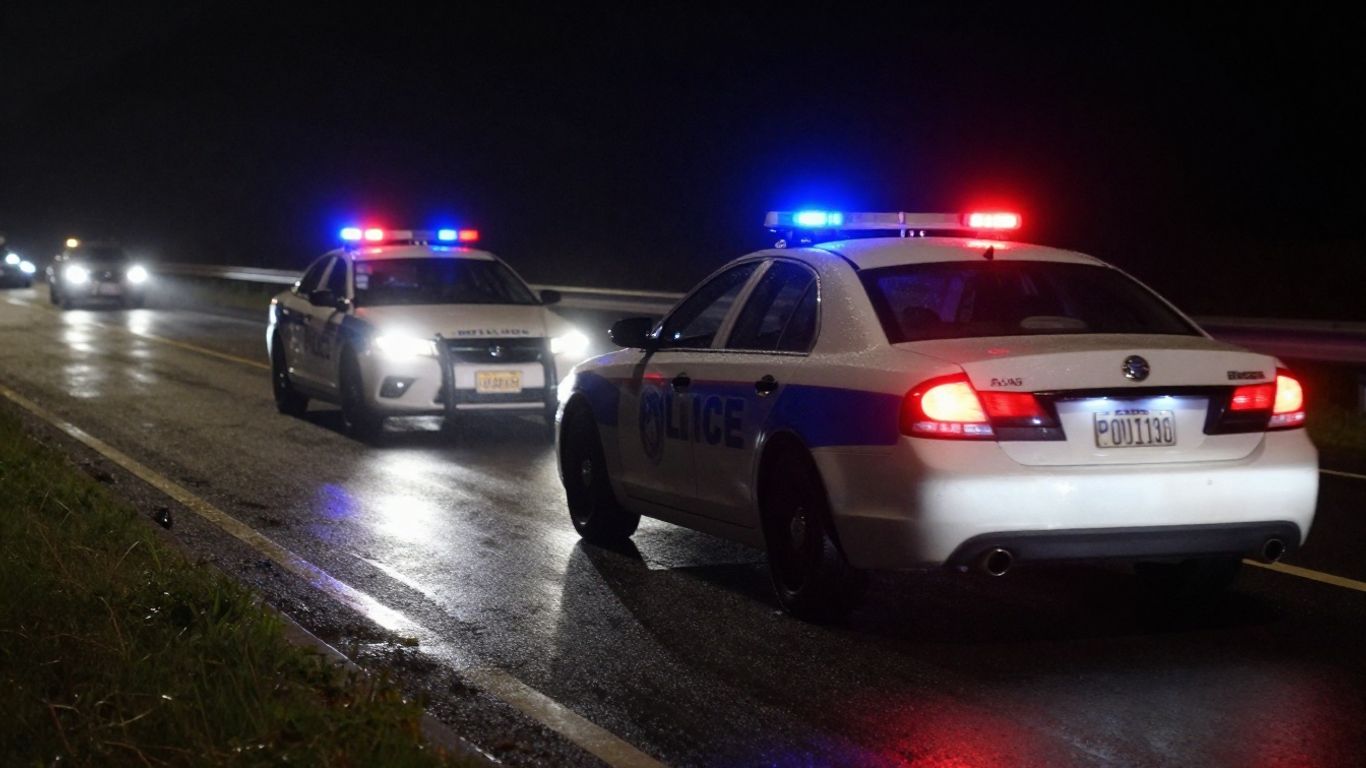
A reckless driving charge in North Carolina isn't just a minor traffic ticket; it's a criminal misdemeanor. This means a conviction can bring about serious penalties that affect your life long after the court date. You're looking at more than just a fine. The potential for a criminal record is a significant consequence.
Criminal Record and Background Checks
When you're convicted of reckless driving, it goes on your permanent criminal record. This record can show up on background checks that employers run. Some jobs might be completely off-limits if you have a conviction. It can also make it harder to find a place to live, as landlords may not accept applications from individuals with criminal records. Even if you plan to go back to school, a conviction could complicate getting student loans or even getting accepted into certain programs.
Jail Time and Fines
Depending on your driving history and the specifics of the offense, you could face jail time. For a first-time offender with no prior convictions, this could be up to 60 days. Fines can go up to $1,000, but the judge has discretion here. You might also be placed on probation, which could include community service or restrictions on your driving.
License Suspension and DMV Points
Your driver's license is definitely at risk. A reckless driving conviction typically adds four points to your driving record with the DMV. In more serious cases, or if you have a history of violations, your license could be suspended for up to a year. If you operate a commercial vehicle, a conviction could lead to disqualification of your Commercial Driver's License (CDL).
Insurance Rate Increases and SR-22 Requirements
Your car insurance premiums are almost certain to go up, and not just by a little. Expect increases of 80-100%, and these higher rates can last for three years or more. In some situations, you might be classified as a "high-risk driver," which means you'll need to get an SR-22 filing, a document that proves you have the minimum required auto insurance. This adds to your financial burden. The total financial impact from increased insurance alone can easily range from $5,000 to $8,000 over three years.
The penalties for reckless driving are designed to be a strong deterrent. It's important to understand that this is a criminal charge, not just a traffic infraction, and the courts take it seriously. Your driving record, the circumstances of the offense, and any prior history all play a role in determining the outcome.
If you're facing a reckless driving charge in Wake County, it's wise to consult with a legal professional. They can help you understand the potential consequences and explore your defense options. You can find more information about reckless driving in North Carolina to get a better grasp of the laws.
Common Scenarios Leading to Reckless Driving Charges
Reckless driving charges in Wake County often stem from a variety of behaviors behind the wheel. Understanding these common situations can help you recognize potentially risky driving habits and avoid a citation. The law defines reckless driving as operating a vehicle with willful or wanton disregard for others' safety or in a manner likely to endanger persons or property. This broad definition covers many actions that might seem minor but can lead to serious consequences.
Excessive Speed and Aggressive Acceleration
Exceeding the posted speed limit is a frequent cause of reckless driving charges. North Carolina law often considers driving 15 mph or more over the limit, or speeds exceeding 80 mph even on highways, as reckless. Aggressive acceleration, sometimes called "burning rubber," also falls into this category because it demonstrates a disregard for the safety of others and the potential for loss of control.
Dangerous Lane Changes and Weaving
Weaving through traffic, making sudden and unsafe lane changes, or tailgating can all lead to a reckless driving charge. These actions create unpredictable situations for other drivers, increasing the risk of an accident. Operating a vehicle in a manner that forces other drivers to take evasive action is a strong indicator of reckless behavior.
Ignoring Traffic Signals and Signs
Disregarding traffic lights, stop signs, or other traffic control devices shows a clear lack of consideration for traffic laws and the safety of others. Running a red light or stop sign, especially when other vehicles or pedestrians are present, can easily result in a reckless driving charge. This type of behavior is often seen as a willful disregard for safety.
Racing and Illegal Passing
Engaging in any form of vehicle racing on public roads is a serious offense and a direct violation of reckless driving laws. This includes competitive driving or challenging other drivers. Additionally, illegal passing, such as passing on curves, hills, or in no-passing zones, creates extremely dangerous conditions and is frequently cited as a basis for a reckless driving charge. If you're facing such a charge, understanding North Carolina reckless driving laws is your first step.
It's important to remember that a reckless driving charge is a criminal misdemeanor, not just a simple traffic ticket. The penalties can be significant, including potential jail time, fines, and license suspension. The specific circumstances of your driving behavior will determine the exact charges and potential penalties you face.
Aggravating Factors That Increase Penalties
Certain circumstances can significantly worsen the penalties you face if convicted of reckless driving in Wake County. These aren't just minor details; they are factors the court views as making your actions substantially more dangerous and deserving of a harsher punishment. Understanding these can help you prepare for your defense.
Causing Accidents or Evasive Maneuvers
If your reckless driving directly leads to a collision or forces other drivers to take sudden, evasive actions to avoid one, this is a serious aggravating factor. It demonstrates a direct and immediate danger to others and their property. The court will view this much more severely than a near-miss scenario.
High Speeds and Repeat Offenses
Driving at extremely high speeds, particularly 15 mph or more over the posted limit, or exceeding 80 mph, is a significant aggravating factor. The more excessive the speed, the more severe the potential penalties. Similarly, if you have prior convictions for reckless driving or similar offenses, you will be viewed as a repeat offender, and the court will likely impose stricter penalties. Your prior record is a major consideration in sentencing.
Driving in Hazardous Conditions
Operating a vehicle recklessly during adverse weather conditions, such as heavy rain, fog, snow, or ice, amplifies the danger. These conditions already reduce visibility and traction, making any aggressive or inattentive driving behavior far more perilous. The court will consider the increased risk you created by driving recklessly when conditions were already challenging.
Distracted or Impaired Driving
If your reckless driving was a result of being distracted (e.g., using a phone) or impaired by alcohol or drugs, the penalties will be substantially increased. Driving while impaired is a separate and serious offense, and when combined with reckless driving, it demonstrates a profound disregard for safety. This combination can lead to the most severe consequences, including potential jail time and significant fines. For information on impaired driving laws, you can review North Carolina DWI laws.
The presence of any of these aggravating factors can transform a standard reckless driving charge into a much more serious legal battle. It's vital to address these elements directly with your legal counsel.
Defending Against Reckless Driving Allegations
Facing a reckless driving charge in Wake County can feel overwhelming, but you have options. It's important to understand that a reckless driving charge is a criminal misdemeanor, not just a simple traffic infraction. This means the consequences can be significant, impacting your criminal record, driving privileges, and insurance rates for years. However, there are several avenues for defense that an experienced attorney can explore on your behalf.
Challenging Officer Observations and Evidence
The prosecution's case often relies heavily on the observations of the law enforcement officer who issued the citation. Your defense may involve questioning the accuracy or completeness of these observations. This could include challenging the officer's vantage point, the lighting conditions at the time, or any potential distractions that might have affected their perception. Evidence presented, such as dashcam footage or witness statements, can also be scrutinized for inconsistencies or inaccuracies.
Questioning Speed Measurement Accuracy
If your charge involves excessive speed, the accuracy of the speed measurement device used by the officer is a key area for defense. Radar and lidar devices must be properly calibrated and maintained. Your attorney can investigate whether the device was recently tested, if the officer was properly trained in its use, and if any environmental factors could have interfered with the reading. A properly challenged speed measurement can sometimes lead to a dismissal or reduction of the charge.
Establishing Necessity or Justification
In certain limited circumstances, you may be able to argue that your driving behavior, while appearing reckless, was necessary due to an emergency situation. This could involve a medical emergency, a sudden mechanical failure of your vehicle, or another unavoidable circumstance that compelled you to drive in a manner that might otherwise be considered reckless. The key here is demonstrating that your actions were a reasonable response to an immediate and serious threat.
Identifying Legal and Procedural Errors
Law enforcement officers must follow specific procedures when issuing traffic citations. Errors in these procedures can sometimes form the basis of a defense. This might include challenging the legality of the initial traffic stop (i.e., whether the officer had probable cause), issues with how the citation was written, or other violations of your rights. A thorough review of the citation and the circumstances surrounding the stop can reveal potential procedural defects. You can explore how a Wake County traffic ticket lawyer can assist with these types of violations.
Strategies for Reducing or Dismissing Charges
Facing a reckless driving charge in Wake County can feel overwhelming, but you have options. It's not always a straightforward conviction. Many cases can be resolved favorably through negotiation or by challenging the evidence. The key is to act promptly and understand your rights.
Negotiating Lesser Violations
Prosecutors often have discretion in how they handle traffic offenses. A skilled attorney can work with the Wake County District Attorney's office to explore reducing your reckless driving charge to a less serious offense. This could mean pleading to a simple speeding ticket or even a non-moving violation like improper equipment. A non-moving violation typically doesn't carry points on your license and won't impact your insurance rates as severely. This approach can significantly lessen the long-term consequences of the charge.
Seeking Deferred Prosecution Options
In certain situations, especially for first-time offenders with no prior criminal history, you might be eligible for a deferred prosecution agreement. This means that if you comply with specific conditions set by the court – such as completing a defensive driving course, paying fines, or avoiding further traffic violations for a set period – the charges against you can be dismissed. Successfully completing this program means the reckless driving charge will not result in a conviction on your record. It's a way to clear your name by demonstrating responsible behavior moving forward.
Presenting Mitigating Circumstances
Your defense strategy might involve presenting factors that explain your actions without excusing them entirely. These are known as mitigating circumstances. Examples include:
- Emergencies: You were responding to a genuine medical emergency or another urgent situation.
- Mechanical Issues: A sudden, unforeseen problem with your vehicle contributed to the driving behavior.
- Environmental Factors: Unexpected road conditions or hazards that required a sudden maneuver.
While these don't always lead to a dismissal, they can persuade a prosecutor or judge to show leniency and consider a reduced penalty or a less severe charge. Documenting these circumstances with evidence, such as repair records or witness statements, is vital.
The Importance of Early Intervention
The sooner you seek legal counsel, the more options you will likely have. Waiting too long can mean missing opportunities to negotiate or challenge the evidence effectively. An attorney can immediately begin gathering information, contacting the relevant authorities, and building your defense. Early intervention can sometimes lead to charges being reduced or dismissed before they permanently impact your driving record and insurance premiums. If you're facing a speeding ticket in Cary, NC, similar strategies apply to protect your record.
Paying a reckless driving ticket without consulting an attorney is often a mistake. Doing so is typically considered a guilty plea, leading to a criminal conviction with all its associated penalties, including points on your license and increased insurance costs. It's always best to explore your defense options first.
Navigating the Wake County Court System
Court Appearance Requirements
If you've been charged with reckless driving in Wake County, you generally must appear in court. This requirement applies whether you reside in North Carolina or are just visiting. The only common exception is when your attorney can appear on your behalf. Failure to appear can lead to additional charges, like failure to appear, and a warrant for your arrest. It's important to know your court date and time, which will be listed on your citation. You can also find information about court procedures and schedules through the Wake County Clerk of Superior Court.
Understanding Prior Record Levels
Your prior driving and criminal record significantly impacts how your reckless driving case is handled and the potential penalties. North Carolina law categorizes offenses based on prior convictions. A judge will review your history to determine the level of the offense, which influences sentencing options. Generally, a cleaner record offers more favorable outcomes. This is why understanding your history and presenting it accurately to your attorney is vital.
The Role of the Judge in Sentencing
The judge has considerable discretion when determining the sentence for a reckless driving conviction. They will consider the specifics of the incident, the evidence presented, your prior record, and any arguments made by your legal counsel. Judges aim to balance punishment with rehabilitation. They may impose fines, jail time, license suspension, or community service. The judge's decision is guided by North Carolina statutes but also by the unique circumstances of your case.
A skilled attorney can present mitigating factors to the judge, potentially leading to a reduced sentence or alternative penalties. Early intervention and preparation are key to influencing the judge's decision.
Protecting Your Future After a Charge

A reckless driving charge in Wake County isn't just about a potential fine or a few points on your license. It's a criminal misdemeanor that can cast a long shadow over your future if not handled correctly. This conviction can show up on background checks, making it harder to get certain jobs or even rent an apartment. It's important to understand these potential long-term effects and take steps to minimize them.
Impact on Employment Opportunities
When you apply for a job, especially one that involves driving, operating machinery, or handling money, a reckless driving conviction can be a major roadblock. Many employers see it as a sign of poor judgment or a tendency to take unnecessary risks. This can mean missing out on opportunities, even if the job itself doesn't directly involve driving. Some positions require a clean driving record for insurance purposes, and a conviction can disqualify you.
Challenges with Housing and Education
While less common than with employment, some housing applications, particularly for rental properties managed by larger companies or in certain communities, might ask about criminal convictions. A reckless driving charge could potentially complicate this. Similarly, some educational programs or scholarships might consider a criminal record when making admissions or award decisions, though this is usually for more serious offenses.
Avoiding Social Stigma
Beyond the practical hurdles, a criminal conviction can carry a social stigma. You might worry about how friends, family, or acquaintances will perceive you. It's natural to feel concerned about being labeled as a "reckless" person. Addressing the charge proactively and working towards a positive outcome can help mitigate these feelings and prevent a lasting negative perception.
Commercial Driver's License Considerations
If you hold a Commercial Driver's License (CDL), a reckless driving conviction is particularly serious. North Carolina law can lead to disqualification of your CDL if the offense occurs while operating a commercial vehicle. This can have immediate and devastating consequences for your livelihood. Protecting your CDL often requires specialized legal attention and a strong defense strategy to avoid or minimize these severe penalties. It's vital to seek legal counsel immediately if you're a CDL holder facing such a charge. You can find more information about North Carolina driving laws to understand the broader context of traffic violations.
A conviction for reckless driving is a criminal matter. It's not just a simple traffic ticket. This means it goes on your permanent criminal record unless specific legal actions are taken to clear it. The consequences extend far beyond the immediate penalties, affecting your ability to secure employment, housing, and even your personal reputation for years to come. Early intervention and a solid defense are key to protecting your future.
Here are some steps to consider:
- Do not pay the ticket: Paying the fine is an admission of guilt, resulting in a criminal conviction. Always consult with an attorney first.
- Gather information: Collect any evidence that might support your case, such as dashcam footage, witness contact details, or photos of the road conditions.
- Seek legal counsel: An experienced attorney can assess your situation, explain your options, and build a defense strategy. They can often negotiate lesser charges or work towards a dismissal.
Facing legal trouble can be scary, but it doesn't have to ruin your future. We're here to help you understand your options and get back on track. Don't let a past mistake define what's next for you. Visit our website today to learn how we can support you.
What to Do Next
Look, getting charged with reckless driving in Wake County isn't the end of the world, but you can't just ignore it. It's a serious criminal charge, not just a ticket. Your driving record, insurance, and even your job could be on the line. Don't try to handle this yourself. You need someone who knows the ins and outs of North Carolina law and how these cases are handled in Wake County. Getting legal help early on is your best bet for fighting the charges or at least reducing the penalties. Reach out to a qualified attorney to discuss your situation and figure out the best way forward.
Frequently Asked Questions
What exactly is considered reckless driving in North Carolina?
In North Carolina, reckless driving means you're driving in a way that shows you don't care about the safety of others or yourself. This can include driving way too fast, weaving through traffic, or ignoring important signs and signals. Basically, if your driving is careless and dangerous, it could be seen as reckless.
Is reckless driving a criminal offense?
Yes, it is. Unlike a simple speeding ticket, a reckless driving charge is a criminal misdemeanor. This means it can lead to more serious penalties, such as jail time, and it will show up on your criminal record.
What are the possible punishments for a reckless driving conviction in Wake County?
If you're found guilty of reckless driving, you could face fines, possible jail time, and your driver's license could be suspended. Your car insurance rates will likely go up significantly, and you might need special insurance called SR-22 for a while.
Can a reckless driving charge affect my job or future opportunities?
Absolutely. Because it's a criminal offense, a reckless driving conviction can appear on background checks. This might make it harder to get certain jobs, rent an apartment, or even get accepted into some educational programs.
What if I was driving fast, but it was an emergency?
In some cases, if you can show that you had a genuine emergency that forced you to drive in a way that might seem reckless, this could be used as a defense. For example, if you were rushing someone to the hospital. However, you'll need solid proof to support this claim.
How can a lawyer help me if I'm charged with reckless driving?
A lawyer experienced in these matters can help in many ways. They can examine the evidence against you, challenge the accuracy of speed measurements, look for mistakes in how the police handled your case, and negotiate with the prosecutor to try and get your charges reduced or dismissed.
What's the difference between reckless driving and aggressive driving?
While both are serious, reckless driving focuses on a willful or careless disregard for safety, often involving speed or dangerous maneuvers. Aggressive driving is a broader term that can include a pattern of unsafe behaviors, like tailgating or frequent lane changes, that endanger others. In North Carolina, both are criminal misdemeanors.
If I get a reckless driving ticket, do I have to go to court?
Generally, yes. Reckless driving is not usually a ticket you can just pay and forget about. You will likely be required to appear in court, even if you have a clean driving record. This is why it's important to understand the process and consider getting legal help.
Charged with nc traffic law in NC?
Cotten Firm serves Wake, Johnston, Harnett, Chatham & Orange counties. Sign up online in minutes — we handle the court appearance so you don't have to.
Sign Up Now → Get Started