NC Implied Consent Law: What Happens If You Refuse the Breathalyzer
Getting pulled over on suspicion of driving while impaired can be a really unnerving experience. A big question that often comes up is whether you have to take a breathalyzer test. In North Carolina, the rules around this are tied to something called implied consent. Basically, by driving on our roads, you're considered to have already agreed to take a chemical test if an officer has a good reason to believe you're impaired. But what really happens if you say no to the breathalyzer? It’s not as simple as just refusing; there are definite consequences you need to know about, both for your driving privileges and potentially for your court case.
Key Takeaways
- In North Carolina, driving means you've given implied consent to take a breathalyzer or other chemical test if an officer suspects you're impaired.
- You have the right to refuse a breathalyzer test, but this refusal carries immediate administrative penalties.
- Refusing a breathalyzer typically leads to an automatic one-year driver's license revocation, separate from any penalties for a DWI conviction.
- Your refusal can be used as evidence against you in court, suggesting you knew you were impaired.
- While refusal has consequences, you may be eligible for a limited driving privilege under specific conditions, and you have the right to request a hearing to contest the revocation.
Understanding North Carolina's Implied Consent Law
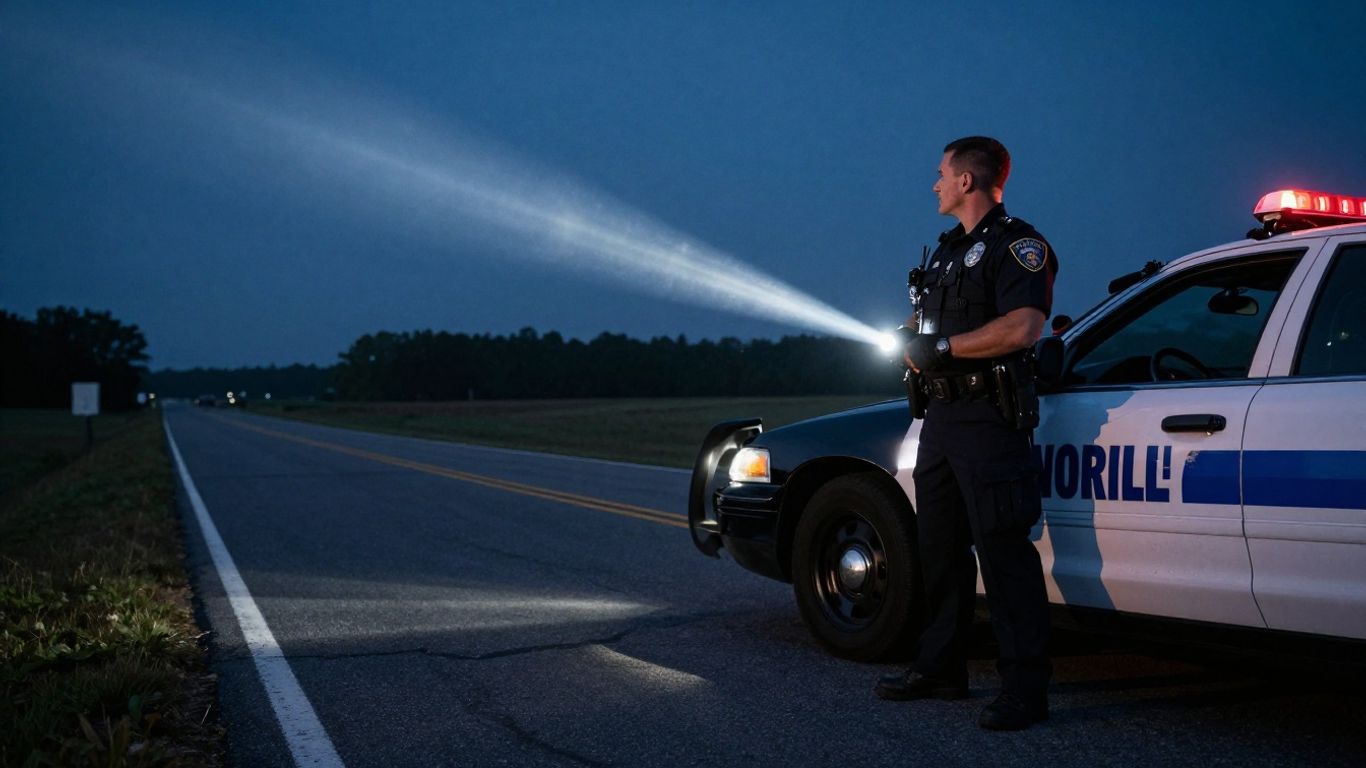
What Does Implied Consent Mean for Drivers?
In North Carolina, when you get behind the wheel and drive on public roads, you're automatically agreeing to certain conditions. This is what "implied consent" means. By driving, you've given your consent to take a chemical test, like a breathalyzer, if a law enforcement officer has a valid reason to believe you're impaired. This isn't something you get to decide at the moment; it's a condition of having the privilege to drive in the state. The law is designed to make sure impaired drivers are identified and taken off the road.
Scope of the Implied Consent Statute
The implied consent law applies to anyone operating a vehicle in North Carolina, not just those with a state driver's license. If you're visiting or passing through, you're still subject to these rules. The law covers tests of your breath, blood, or urine, and it's triggered when an officer has probable cause to suspect you're driving under the influence of alcohol or drugs. This statute is a key part of enforcing impaired driving laws across the state.
Consent as a Condition of Driving Privilege
Think of your driver's license as a privilege granted by the state, not an absolute right. North Carolina law makes your agreement to submit to chemical testing a condition of that privilege. If you refuse a test when lawfully asked, the state can take administrative action against your license, separate from any criminal charges you might face for DWI. This administrative action, often a license revocation, happens regardless of whether you are ultimately convicted of DWI. It's a direct consequence of violating the terms of your driving privilege.
Your Right to Refuse a Breathalyzer Test
Physical Ability to Refuse Testing
You can, in fact, physically refuse to take a breathalyzer test in North Carolina. The police cannot physically force you to submit to a breath test or a blood draw. However, this refusal isn't a get-out-of-jail-free card. The state has specific consequences for refusing a chemical test, and these penalties apply even if you're later found not guilty of driving while impaired (DWI).
Distinguishing Preliminary vs. Post-Arrest Tests
It's important to know there are different types of breath tests. First, there's the preliminary breath test (PBT), often done roadside with a portable device. You can refuse this test without facing automatic license revocation. However, refusing the PBT can contribute to the officer's decision to arrest you based on suspicion of DWI. The real consequences come with the post-arrest chemical analysis, usually done at the police station. This is the test the implied consent law applies to. Refusing this formal test triggers the administrative penalties.
Consequences of Refusing Field Sobriety Tests
Field sobriety tests (FSTs) are a set of physical and mental tests an officer might ask you to perform, like walking a straight line or standing on one leg. You are not legally required to take these tests in North Carolina. Refusing FSTs might make an officer suspicious, but it doesn't carry the same automatic license revocation as refusing a post-arrest breathalyzer. However, officers often use your performance on FSTs, or your refusal to take them, as part of the evidence to establish probable cause for your arrest. If you are arrested, the officer must then read you your rights under the implied consent law, which includes the consequences of refusing the official breathalyzer test.
Refusing a breathalyzer test after arrest is treated as a separate administrative offense. This means you face license revocation regardless of the outcome of your DWI case. The state views this refusal as a serious matter, separate from whether you were actually impaired while driving.
Here's a breakdown of the key differences:
- Preliminary Breath Test (PBT):
- Roadside test.
- Generally used to establish probable cause for arrest.
- You can refuse without automatic license revocation.
- Refusal can still be used as part of the officer's suspicion.
- Post-Arrest Chemical Analysis (Breathalyzer/Blood Test):
- Administered after arrest, usually at a police station.
- Used to determine Blood Alcohol Content (BAC).
- You must submit to this test or face automatic license revocation.
- Refusal triggers a one-year license revocation.
- The results or refusal are admissible in court.
Immediate Consequences of Refusing a Breathalyzer
If you're arrested for a DWI in North Carolina and refuse to take a breathalyzer or other chemical test, the state imposes immediate penalties, separate from any criminal charges you might face. This refusal triggers an administrative action against your driver's license.
Automatic License Revocation Period
Your North Carolina driver's license will be automatically revoked for one year if you refuse a post-arrest chemical analysis. This revocation happens regardless of the outcome of your DWI case. The clock starts ticking on this revocation right away, meaning you lose your driving privileges immediately, even before your court date.
Temporary Driving Permits
When an officer confiscates your license due to a refusal, they will issue you a temporary driving permit. This permit is usually valid for a short period, often 30 days. It allows you to continue driving legally for that limited time while you sort out the next steps. It's important to understand that this permit is not a replacement for your license and does not negate the revocation period.
Loss of Driving Privileges While Case Pending
The one-year revocation means you will be without a valid license for an extended period. This suspension is an administrative penalty handled by the North Carolina Division of Motor Vehicles (NCDMV) and is separate from any jail time or fines a court might impose if you are convicted of DWI. You cannot typically get this administrative revocation reduced or cleared through early compliance programs, unlike some other types of license suspensions. This means you'll be facing a significant period without driving privileges while your criminal case is still working its way through the courts. You do have the right to request a hearing to contest this revocation, but you must act quickly to preserve that right. Missing the deadline means you forfeit the chance to challenge the NCDMV's action.
Administrative Penalties for NC Implied Consent Refusal
The One-Year License Revocation
If you refuse to submit to a chemical analysis after being arrested for a suspected impaired driving offense, North Carolina law mandates an automatic one-year revocation of your driver's license. This administrative penalty is separate from any criminal penalties you might face if convicted of DWI. The revocation period begins immediately upon your refusal, meaning you lose your privilege to drive while your criminal case is still working its way through the courts.
Revocation Separate from DWI Conviction
It is critical to understand that this one-year license revocation for refusing a breathalyzer or blood test is not tied to the outcome of your DWI case. Even if you are found not guilty of DWI or the charges are dismissed, the administrative revocation for refusal will still stand. This means you could lose your license for a year even if you are not convicted of driving while impaired. The North Carolina Department of Motor Vehicles (NCDMV) imposes this penalty based solely on your refusal to submit to testing after a lawful arrest.
Ineligibility for Early Compliance Programs
Refusing a chemical test can also make you ineligible for certain programs that might otherwise allow for an earlier return of your driving privileges. For instance, if you were convicted of DWI, you might be able to obtain a limited driving privilege after a certain period, provided you meet specific requirements. However, a refusal often disqualifies you from these early compliance options. This means the full one-year revocation period may be strictly enforced, with limited recourse for obtaining a restricted license during that time. This makes the decision to refuse a test a significant one with long-term consequences for your ability to drive.
The administrative penalties for refusing a breathalyzer are serious and distinct from any criminal charges. Understanding these consequences is vital when making a decision during a DWI stop.
- Automatic One-Year License Revocation: This is a mandatory penalty imposed by the NCDMV.
- Separate from DWI Conviction: The revocation occurs regardless of the outcome of your criminal DWI case.
- Limited Access to Privileges: Refusal often makes you ineligible for limited driving privileges or early reinstatement programs.
If you are facing a DWI charge and have refused a chemical test, it is important to seek legal counsel promptly. An attorney can explain the specific penalties you face and explore any potential defenses or options for challenging the refusal or revocation. You can find assistance with traffic violations, including those related to DWI, at Cotten Law Firm, PLLC.
How Refusal Impacts Your DWI Case
Refusal as Evidence of Guilt
When you refuse a breathalyzer test after being arrested for a DWI in North Carolina, the prosecution can use that refusal against you in court. They might argue that you refused because you knew you would fail the test, essentially suggesting you were conscious of your guilt. A jury can consider this refusal as part of the evidence when deciding if you were impaired.
Prosecution's Reliance on Other Evidence
Without a breathalyzer result, the state can't prove your Blood Alcohol Content (BAC) was over the legal limit of 0.08. However, this doesn't mean the case is automatically dismissed. The prosecution will then need to build their case using other available evidence. This often includes:
- The arresting officer's observations of your driving before the stop.
- Your physical appearance (e.g., bloodshot eyes, odor of alcohol).
- Your performance on field sobriety tests (if you took them).
- Any statements you made during the traffic stop.
- The officer's testimony about signs of impairment.
Proving Impairment Without a BAC Number
Even without a specific BAC number, North Carolina law allows for DWI convictions if you were appreciably impaired. A skilled prosecutor can still present a strong case using circumstantial evidence. They will piece together the officer's observations and your behavior to argue that you were unfit to drive, even if they can't give the jury an exact BAC reading.
The decision to refuse a chemical test is complex. While it prevents the state from getting a direct BAC reading, it can also be presented as evidence of guilt. You must weigh this against the potential consequences of a high BAC reading. Your attorney can help you understand the specific evidence the state might have and how a refusal could play into their strategy.
The Hearing Process for License Revocation
Contesting the Civil Revocation
If your license is revoked for refusing a breathalyzer, you have the right to challenge this administrative action. This isn't part of your criminal DWI case, but a separate civil proceeding handled by the North Carolina Division of Motor Vehicles (NCDMV). You must act quickly to request this hearing. Failing to do so means you accept the revocation.
Administrative vs. Criminal Proceedings
It's important to understand the difference between the administrative hearing and your criminal DWI case. The administrative hearing focuses solely on whether the NCDMV has grounds to revoke your license due to the refusal. The issues at this hearing are specific:
- Was there reasonable grounds for the officer to believe you committed an implied-consent offense?
- Were you properly notified of your rights and the consequences of refusal?
- Did you willfully refuse to submit to the chemical analysis?
Even if you are found not guilty in your criminal DWI case, the administrative revocation can still stand if the NCDMV proves its case. Conversely, winning the administrative hearing doesn't automatically dismiss your criminal charges.
Importance of Prompt Hearing Requests
The timeline for requesting an administrative hearing is strict. Typically, you have 20 days from the date the revocation order was mailed to request it in writing. If you miss this deadline, you generally forfeit your right to a hearing and your license will be revoked for the full period. The hearing itself is your opportunity to present evidence and arguments against the revocation. It's often beneficial to have legal representation at this stage to ensure all procedural requirements are met and your case is presented effectively.
Challenging a Willful Refusal Suspension
Legal and Factual Grounds for Challenge
If you've refused a breathalyzer or blood test after a DWI arrest, the North Carolina Department of Motor Vehicles (NCDMV) will likely move to revoke your driver's license. This administrative action is separate from any criminal charges you might face. However, this revocation isn't always final. You have the right to challenge this suspension, but you must act quickly and have valid legal or factual reasons to contest it.
Common grounds for challenging a refusal suspension often revolve around whether the officer followed proper procedure. This includes:
- Was the arrest lawful? The officer must have had probable cause to believe you were driving while impaired.
- Were you properly advised of your rights? You must have been read the implied consent advisory, which explains the consequences of refusing a test.
- Did you actually refuse? Sometimes, a refusal can be disputed if there was a genuine inability to comply with the test request, rather than a willful act of defiance.
- Was the officer's belief of refusal reasonable? The officer's determination that you refused must be based on your actions or statements.
Time-Sensitive Nature of Challenges
It's critical to understand that challenging a refusal suspension is a time-sensitive process. The NCDMV has strict deadlines for requesting a hearing. Failure to submit a hearing request within the allotted timeframe, typically 10 days from the date of your arrest or notice, will likely result in the loss of your right to contest the suspension. This means your license will be revoked for the statutory period without a chance to argue your case before the DMV.
Seeking a Hearing with the NCDMV
To initiate a challenge, you must formally request a hearing with the NCDMV. This usually involves submitting a written request and paying a required fee. The hearing is administrative, meaning it's handled by a DMV hearing officer, not a judge in criminal court.
At the hearing, the DMV will present evidence that you were lawfully arrested, properly advised of your rights, and willfully refused the test. You, or your attorney, will have the opportunity to present evidence and arguments to counter the DMV's claims. The hearing officer will then make a decision on whether to uphold or rescind the license revocation. If the revocation is upheld, you may still have further appeal options, including a review in Superior Court, but these also have strict deadlines.
Limited Driving Privileges After Refusal
Conditions for a Limited Driving Privilege
If you refuse a breathalyzer test in North Carolina, your license will be revoked. However, in some situations, you might be able to get a limited driving privilege. This isn't automatic, and you have to meet specific requirements. Generally, you can't have refused a test within the last seven years, and the implied consent offense can't have involved death or serious injury to someone else. You also need to have your underlying DWI charge resolved, either not by conviction or by a conviction where the punishment level allows for a limited privilege. Plus, you must have completed a substance abuse assessment and any recommended treatment.
Court Discretion in Issuing Privileges
Even if you meet the basic eligibility criteria, a judge still has to decide whether to grant you a limited driving privilege. They look at your specific case and driving history. The court has broad discretion in these matters. It's not a guarantee, and the judge will consider all the facts before making a decision. This privilege is meant for essential driving, not for general convenience.
Strict Limitations on Permitted Driving
If a limited driving privilege is granted, it comes with very strict rules. You'll likely only be allowed to drive for specific, necessary purposes. These usually include driving to and from work, attending court or required treatment programs, or for essential medical appointments. The privilege will clearly state the times and places you are permitted to drive. Any violation of these terms can lead to further penalties, including the revocation of the limited privilege itself. It's vital to understand and adhere to every condition. If your license is revoked for reasons other than the refusal, this limited privilege will be invalid. You can find more information about eligibility for these privileges on the NC Department of Motor Vehicles website.
Remember, a limited driving privilege is a privilege, not a right. It's granted under specific circumstances and requires strict adherence to its terms. Failure to comply can result in more severe consequences, including driving while revoked charges if you violate the conditions.
Officer Notification of Rights and Consequences
Oral and Written Advisement of Rights
When a law enforcement officer has reason to believe you've committed an impaired driving offense, they are required to inform you of certain rights before asking you to take a chemical test, like a breathalyzer. This notification happens before any test is administered. The officer must tell you this information both verbally and provide it to you in writing. This written notice is often called the "Blue Card" in North Carolina.
Information on Test Refusal Penalties
The officer must clearly explain what happens if you refuse the test. You will be told that refusing a chemical test will result in the revocation of your driver's license for one year. They will also inform you that this revocation is separate from any penalties you might face if convicted of a DWI. Additionally, the officer must advise you that the test results, or your refusal to take the test, can be used as evidence against you in court.
Right to Seek Independent Testing
After you have completed the required chemical analysis requested by the officer, or if you have refused, you have the right to seek your own independent test. This means you can arrange for your own blood, breath, or urine test at your own expense. However, this does not delay the test the officer wants you to take, nor does it negate the consequences of refusal. You also have the right to call an attorney for advice and to select a witness to observe the testing process. While you can do these things, the testing itself cannot be delayed for more than 30 minutes from the time you are notified of your rights. You must take the test at the end of that 30-minute period, even if you haven't reached an attorney or your witness hasn't arrived.
When Chemical Analysis May Be Compelled
Testing Unconscious Drivers
Normally, North Carolina's implied consent law requires an officer to inform you of your rights and consequences before administering a breathalyzer or other chemical test. You also have the right to refuse. However, this doesn't apply if you're unconscious or otherwise unable to respond. In such situations, if an officer has probable cause to believe you've committed an impaired driving offense, they can proceed with testing without your direct consent or notification of rights. This is because you are physically incapable of refusing or even understanding the request. The law presumes your consent to testing under these circumstances as a condition of driving.
Circumstances Allowing Compelled Testing
Beyond unconsciousness, there are other specific scenarios where a chemical analysis might be compelled, even without explicit consent. These situations are narrowly defined by statute to balance the need for evidence with individual rights. Generally, if an officer has reasonable grounds to believe an implied-consent offense has occurred, and the driver is incapacitated, testing can proceed. This might include situations where a driver is severely injured and unresponsive at the scene.
Exceptions to Notification Requirements
The primary exception to the notification requirements occurs when a driver is unconscious or otherwise physically unable to comprehend or respond to the officer's request. In these cases, the officer is not required to read the implied consent rights or obtain a verbal refusal. The law presumes consent to testing when a driver is incapable of refusal. This allows law enforcement to gather vital evidence in impaired driving investigations even when the driver cannot participate in the standard process. It's important to remember that the officer must still have probable cause to believe an offense has been committed before compelling a test under these exceptions.
Sometimes, the law might require you to show proof of your chemical analysis. If you find yourself in this situation, don't worry. We can help you understand what's needed and guide you through the process. Visit our website to learn more about how we can assist you when chemical analysis is needed.
Final Thoughts on Refusal
So, you've heard about North Carolina's implied consent law and what happens if you decide not to take a breathalyzer test. It's a tough spot to be in, no doubt. Remember, refusing the test means your license can be suspended for a year, and that refusal can be used against you in court. It's not a guaranteed way out of a DWI charge. If you're facing this situation, it's really best to talk to a lawyer who knows these laws inside and out. They can help you understand your specific case and what your options really are.
Frequently Asked Questions
What does 'implied consent' mean when driving in North Carolina?
In North Carolina, when you get behind the wheel and drive on public roads, you're automatically agreeing to take a breath or blood test if a police officer has a good reason to believe you're driving under the influence of alcohol or drugs. This agreement is called 'implied consent,' and it's part of the deal for having the privilege to drive in the state.
Can you actually refuse a breathalyzer test if asked by an officer?
Yes, you have the physical ability to refuse a breathalyzer test. No one can force you to take it. However, choosing to refuse comes with serious consequences, even if you're not found guilty of drunk driving.
What happens right away if you refuse a breathalyzer after being arrested?
If you refuse a breathalyzer test after being arrested for suspected drunk driving, your driver's license will be taken away immediately. This suspension typically lasts for a whole year. You'll get a temporary paper permit that allows you to drive for a short time while this is being processed.
Is refusing a breathalyzer the same as a DWI conviction?
No, refusing a breathalyzer is a separate issue from a DWI conviction. The state can suspend your license for a year just for refusing the test, regardless of whether you are later found guilty or not guilty of drunk driving. The penalties for refusal are administrative and happen separately from the criminal court case.
How does refusing a breathalyzer affect your DWI court case?
Even though you might think refusing the test helps your case, it can actually be used against you. The prosecution might tell the jury that you refused because you knew you would fail the test. This can make it seem like you're guilty.
If you refuse a breathalyzer, can you still get a permit to drive?
Sometimes, after a refusal suspension, you might be able to get a limited driving privilege. This isn't automatic and usually has strict rules about where and when you can drive, often for work or essential needs. A judge decides if you qualify.
Does the officer have to tell you about the consequences of refusing?
Yes, the officer must inform you both verbally and in writing that you've been charged with an implied consent offense. They must explain that refusing the test will lead to a one-year license revocation, and that the results, or your refusal, can be used as evidence against you in court.
Are there any situations where you can't refuse a breathalyzer test?
In most cases, you have the right to refuse. However, if you are unconscious or otherwise unable to communicate, like after a serious accident, an officer may be able to compel a blood test or other chemical analysis without needing your consent or informing you of your rights first.
Charged with nc traffic law in NC?
Cotten Firm serves Wake, Johnston, Harnett, Chatham & Orange counties. Sign up online in minutes — we handle the court appearance so you don't have to.
Sign Up Now → Get Started