How NC Officers Measure Your Speed (and How to Challenge It)
Receiving a speeding ticket in North Carolina can be a confusing experience. Officers use several methods to measure your speed, and understanding these NC speed measurement radar lidar pacing techniques is the first step in potentially challenging a citation. This article aims to shed light on how these measurements are taken and what defenses might be available to you.
Key Takeaways
- North Carolina officers use radar, LIDAR, and pacing to measure vehicle speeds. Each method has its own operational principles and potential points of error.
- Radar devices use radio waves, while LIDAR uses laser light pulses to calculate speed. Both require proper calibration and trained operation to be accurate.
- The pacing method involves an officer matching a driver's speed and using their own speedometer. Accuracy depends on maintaining a consistent distance and a properly calibrated patrol car speedometer.
- Challenges to speeding tickets can focus on equipment calibration, officer training, environmental factors affecting measurement, and the officer's own observations.
- Understanding the specific details of your ticket and the measurement method used is vital. Consulting with legal counsel can help you explore available defenses and navigate the court process.
Understanding How Officers Measure Speed
Radar Speed Measurement Explained
Officers often use radar devices to clock your speed. These devices send out radio waves that bounce off your vehicle. The device then measures the change in the frequency of the returning waves, which tells the officer how fast you are going. It's a common method, but it's not foolproof. Factors like the angle of the radar beam, interference from other sources, and the calibration of the device itself can affect accuracy.
LIDAR Speed Measurement Explained
LIDAR, which stands for Light Detection and Ranging, is another tool officers use. Unlike radar, LIDAR uses a laser beam. This beam is much narrower than a radar beam, allowing for more precise targeting. The device sends out pulses of light and measures the time it takes for the light to bounce back off your vehicle. This allows it to calculate your speed. While LIDAR is generally considered more accurate than radar, it requires the officer to keep the beam steady on your vehicle for a measurement. If the beam moves or hits another object, the reading can be wrong.
The Pacing Method for Speed Detection
Sometimes, officers don't use a device at all. Instead, they use a method called "pacing." This involves the officer driving their patrol car behind you and matching your speed. They then look at their own speedometer to estimate how fast you are going. For this to be accurate, the officer needs to maintain a consistent distance behind you for a significant stretch of road. If the officer is too far back, or if the road conditions make it hard to keep a steady pace, the speed estimate might not be reliable.
Accuracy Concerns with Radar and LIDAR
Radar Calibration Requirements
Police use radar devices to measure your speed. These devices need to be accurate, and that means they have to be calibrated regularly. Think of it like a doctor needing to calibrate their medical equipment. If it's not calibrated, the readings might be off. In North Carolina, radar units must be checked for accuracy. This usually involves using special tuning forks that vibrate at specific, known speeds. The radar unit is tested against these forks before and after an officer's shift. Sometimes, the radar unit itself has a built-in test switch, but this method isn't as reliable as using the tuning forks. If the calibration records aren't up to date or were done incorrectly, it could be a defense against a speeding ticket.
LIDAR Beam Precision Challenges
LIDAR, or laser speed detection, works a bit differently. It uses a narrow beam of light to measure your speed. While this narrow beam is supposed to be more precise, it also presents its own challenges. For LIDAR to be accurate, the officer has to keep the beam trained on the same part of your vehicle the entire time. This can be tricky, especially with a narrow beam. Unlike radar, where the beam spreads out more, LIDAR's beam is very focused. If the officer moves the beam even slightly, or if it hits a different part of your car, the reading could be affected. It's also hard to tell if the beam stayed locked on your car, as the officer can't actually see the light beam.
Officer Training for Speed Devices
Even the best equipment is only as good as the person using it. Officers who use radar and LIDAR devices need proper training. They must know how to operate the equipment correctly, understand its limitations, and know how to maintain it. This includes knowing when conditions might affect the accuracy of a reading. For example, heavy rain, fog, or even dust in the air can sometimes interfere with radar signals. If an officer isn't properly trained or doesn't follow the correct procedures for using the device, the speed reading might not be reliable. We can request the officer's training records to see if they were qualified to use the specific device that issued your ticket.
The Nuances of Police Pacing
Matching Your Speed for Pacing
Police pacing is a method officers use to estimate your speed without radar or LIDAR. It involves an officer following your vehicle, matching your speed, and then using their own speedometer to gauge how fast you're going. For this method to be reliable, the officer must maintain a consistent distance behind you for a significant stretch of road. If the officer is too far back, it becomes harder to be sure they are truly matching your speed. Sometimes, officers might keep a larger gap to avoid being detected, but this can actually help you argue that their speed estimate is unreliable. It's not an exact science; it's more of an educated guess based on their speedometer reading while trying to keep pace.
Maintaining Consistent Following Distance
Accuracy in pacing heavily relies on the officer keeping a steady distance. If the gap between their patrol car and yours changes a lot, it throws off the measurement. Think about it: if they speed up to catch up or slow down to avoid getting too close, their speedometer reading at those moments doesn't reflect your constant speed. This is where a defense can be built. We can look at whether the officer maintained that consistent distance for a long enough period. Some legal standards require pacing for a minimum distance, like an eighth or a quarter mile, to be considered valid. If that distance wasn't met, or the following distance varied wildly, it weakens the officer's claim about your speed. This is a key area to explore when challenging a ticket based on pacing. You can explore defenses against reckless driving charges in Hillsborough, NC, which often involve similar challenges to officer observations and evidence [1b18].
Pacing in Low-Light Conditions
Pacing gets trickier when visibility is poor. During the day, on a straight, clear road, it's easier for an officer to keep pace and accurately read their speedometer. But at night, or in fog, rain, or heavy traffic, it becomes much more difficult. The officer needs to see your vehicle clearly to maintain that consistent distance. If conditions make it hard for them to see, their ability to accurately pace your speed is compromised. Hills, curves, and busy intersections also create problems, as they can obstruct the officer's view and make it hard to maintain a steady pace. These environmental factors can be used to question the reliability of the speed measurement. Facing a speeding ticket in Wake Forest, NC, often involves scrutinizing the state's evidence, including how conditions might have affected the officer's measurements [ae26].
Here's a breakdown of factors affecting pacing accuracy:
- Officer's Following Distance: Must be consistent and for a sufficient duration.
- Visibility: Low light, fog, or heavy rain can impair accuracy.
- Road Conditions: Curves, hills, and heavy traffic make consistent pacing difficult.
- Patrol Car Speedometer: Must be properly calibrated and functioning correctly.
The core issue with pacing is that it's an estimation. Unlike radar or LIDAR, which provide a direct measurement, pacing relies on the officer's ability to match your speed and then read their own speedometer accurately. Any deviation in distance, visibility, or road conditions can introduce errors into that estimation.
Challenging Pacing Accuracy
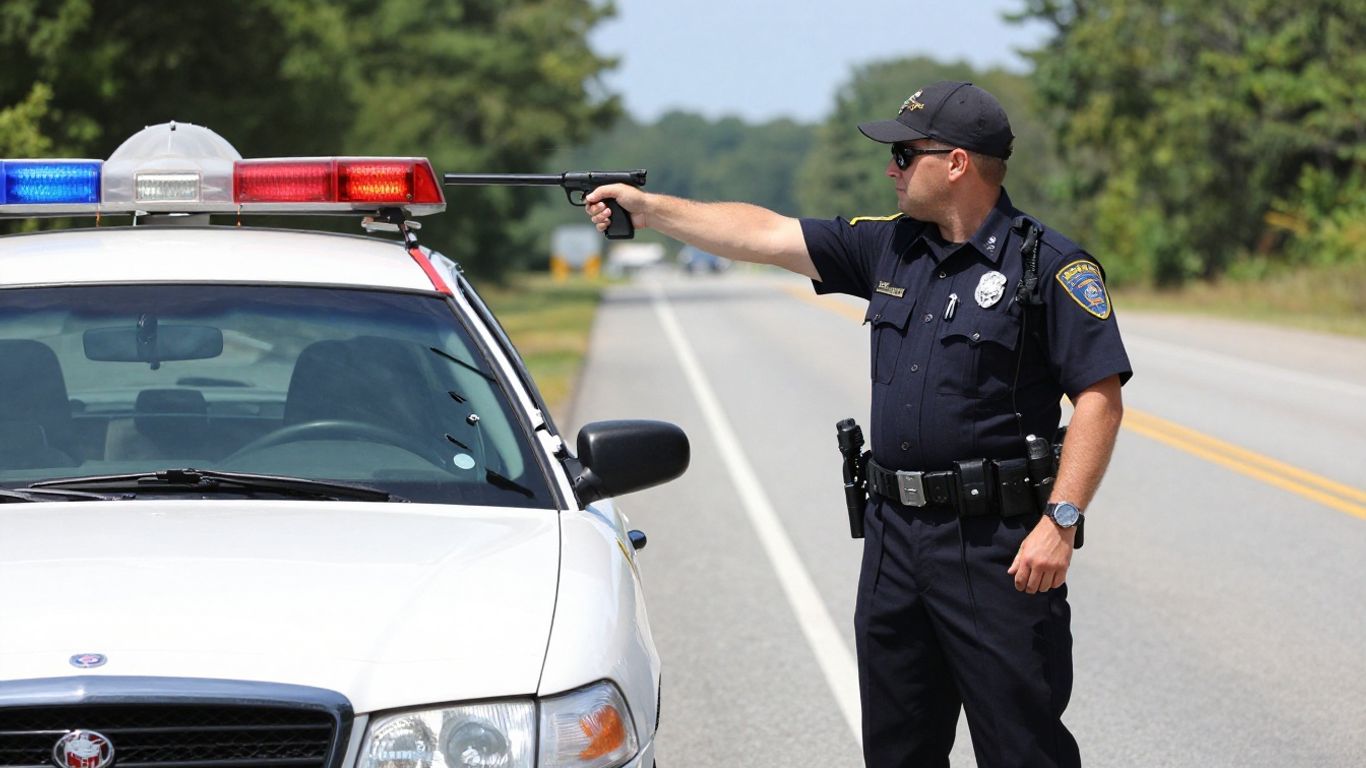
When an officer uses the pacing method to determine your speed, they are essentially trying to match your vehicle's speed and then using their own speedometer to gauge how fast you are going. For this method to be considered reliable in court, the officer must have maintained a consistent distance behind your vehicle for a sufficient period. If the following distance varied significantly, or if the pacing was done for too short a duration, it can be argued that the speed determination was not accurate.
Several factors can impact the accuracy of police pacing:
- Following Distance and Time: The officer must maintain a consistent distance for a reasonable time. If this distance fluctuated or the pacing period was brief, the speed reading may be unreliable.
- Speedometer Calibration: The accuracy of the patrol car's speedometer is critical. If it hasn't been regularly calibrated or maintained, its readings may be inaccurate.
- Officer Training and Experience: Proper pacing requires skill. An officer's training and experience in maintaining consistent distances and reading their speedometer accurately can be questioned.
- Road and Traffic Conditions: Pacing is more difficult and less accurate on winding roads, in heavy traffic, or during adverse weather. These conditions can make it hard for an officer to keep a steady distance and accurately gauge speed.
The reliability of pacing evidence hinges on the officer's ability to accurately match your speed and maintain a consistent distance over a measurable stretch of road.
In North Carolina, the law requires officers to use reasonable judgment when pacing. However, "reasonable" can be subjective. If an officer is too far back to truly match your speed, or if conditions make it difficult to maintain a steady pace, the resulting speed reading might not hold up in court. It's important to remember that the officer's speedometer is the only tool they are using to measure your speed in this scenario.
Challenging pacing accuracy often involves scrutinizing the officer's actions and the conditions under which the pacing occurred. For instance, if the officer was pacing you from a significant distance, it becomes harder to prove they were truly matching your speed. Similarly, if the pacing occurred on a curvy road or in heavy traffic, the officer's ability to maintain a constant distance and accurately read their speedometer is compromised. These are the types of details that can be explored during the discovery process, where you can request the officer's notes and any calibration records for their patrol car's speedometer. Understanding these nuances can be key to building a defense against a speeding ticket issued based on police pacing. If you're facing a ticket in areas like Smithfield, NC, exploring your options beyond just paying the fine is advisable understanding these options.
Aircraft pacing, while less common, faces similar challenges. The pilot must accurately know the aircraft's speed, which can be affected by wind. Furthermore, identifying the correct vehicle from the air can be difficult, increasing the chance of error. This method is generally considered less accurate than ground-based pacing.
Officer Observations and Speed Measurement
Subjective Officer Observations
Sometimes, an officer might claim to have estimated your speed based on their own observations. This isn't a precise scientific method like radar or LIDAR. Instead, it relies on the officer's experience and judgment. An officer's visual estimation of speed is generally considered less reliable than a device reading. They might compare your speed to other vehicles or to their own patrol car's speedometer, but this is inherently subjective. Factors like the officer's position, the distance to your vehicle, and even the type of road can influence their perception. If an officer cites only their observation, it can be a point of contention in court.
Visibility Impairments for Officers
Several things can make it harder for an officer to accurately judge your speed, even if they're trying to use their eyes. Think about driving at night or in bad weather like heavy rain or fog. It's just harder to see clearly. Hills, curves, and even other traffic can block the officer's view, making it difficult to keep track of your vehicle consistently. If the officer's view was obstructed, it raises questions about how accurately they could have observed your speed.
Interference from Other Vehicles
When an officer is trying to measure your speed, other cars on the road can cause problems. If an officer is using radar or LIDAR, a large truck or another vehicle driving nearby could potentially interfere with the device's reading, causing it to lock onto the wrong car. With pacing, if other cars are constantly cutting in front of you or the officer, it makes it very hard for the officer to maintain a steady distance and get an accurate speed reading. It's not always straightforward, and these outside factors can definitely impact the measurement.
Potential Defenses Against Speeding Tickets
Even if you've been issued a speeding ticket, it doesn't automatically mean you have to pay the fine and accept the consequences. There are several ways you might be able to challenge the citation, depending on the specifics of your situation. Understanding these potential defenses is the first step toward fighting your ticket.
Challenging Speed Measurement Accuracy
The accuracy of the device or method used to measure your speed is a common area for defense. If the officer used radar or LIDAR, issues like calibration, environmental interference, or improper use can be grounds for a challenge. For pacing, the defense often focuses on whether the officer maintained a consistent distance and for a sufficient duration. You have the right to question how your speed was measured. If the officer's measurement method was flawed, the ticket may not stand.
Speedometer Malfunction Defense
It's possible your speedometer wasn't accurate. Speedometers can wear out or malfunction over time, leading to incorrect readings. If you can show that your speedometer was faulty and caused you to unknowingly exceed the speed limit, this could serve as a defense. This often requires evidence, such as a mechanic's report, to support your claim.
Necessity or Emergency Situations
In rare cases, you might have been speeding to avoid a more serious situation. If you can prove that you were exceeding the speed limit due to a genuine emergency, like rushing someone to the hospital or avoiding an immediate accident, this could be a defense. However, these situations require strong evidence to be convincing in court. You'll need to demonstrate that the speeding was absolutely necessary to prevent harm.
The law expects drivers to adhere to posted speed limits. However, it also recognizes that circumstances can arise where a deviation from the norm is justifiable. The key is proving that the deviation was both necessary and reasonable under the specific conditions you faced. Simply being in a hurry is not typically a valid defense.
Here are some common factors that can be used to challenge speed measurement accuracy:
- Device Calibration: Was the radar or LIDAR unit recently calibrated according to state requirements?
- Officer Training: Is the officer certified to operate the specific speed measurement device used?
- Environmental Factors: Could weather, traffic, or terrain have interfered with the measurement?
- Pacing Consistency: Did the officer maintain a steady following distance for an adequate period?
If you believe your ticket was issued in error or based on an inaccurate measurement, consulting with a legal professional can help you understand your options. An attorney experienced in North Carolina traffic law can assess the evidence and build the strongest defense for your case.
Road Conditions and Signage Issues
Sometimes, the problem isn't with the speed measuring device or the officer's technique. It could be the road itself or the signs telling you the speed limit.
Improper or Obscured Signage
Traffic signs are supposed to be clear and easy to see. If a speed limit sign is missing, turned around, covered by tree branches, or otherwise unreadable, you might have a defense. The law expects drivers to be able to see and understand posted speed limits. If the sign was hidden or damaged, you couldn't have known the correct speed.
Dangerous Road Conditions
North Carolina law recognizes that sometimes the posted speed limit isn't safe for the actual conditions. Think about construction zones with uneven pavement, areas with heavy fog, or roads slick with ice or rain. If you were driving slower than the posted limit because the road conditions made it unsafe to go faster, and you were ticketed, this could be a defense. The state must prove you drove at a speed that was not reasonable and prudent for the conditions.
Challenging Posted Speed Limits
Posted speed limits are generally presumed to be correct. However, in some situations, the posted limit might be unreasonably low for the type of road. For example, a 35 mph limit on a wide, straight highway with no intersections or driveways might be challenged. This is a more complex defense and often requires evidence, such as traffic engineering studies, to show the limit is not justified. It's not enough to simply think the limit is too low; you need a basis for that argument.
Legal Standards for Speed Measurement Evidence
When you get a speeding ticket in North Carolina, the officer has to prove you were actually speeding. This means they need to present evidence that holds up in court. The state has the burden of proof, and they must show beyond a reasonable doubt that you committed the violation. This usually involves the officer's testimony about how they measured your speed and what that measurement was.
State's Burden of Proof
The prosecution, representing the state, must prove every element of the speeding charge. This isn't just about the officer saying they clocked you. They need to show that the method used was reliable and that the device, if used, was properly calibrated and operated. If they can't meet this burden, your ticket could be dismissed.
Admissibility of Officer Testimony
An officer's testimony is key evidence. They will explain how they measured your speed – whether it was radar, LIDAR, pacing, or another method. Their testimony must be based on their personal knowledge and observations. If the officer didn't personally observe the event or operate the speed measurement device, their testimony might be challenged.
Hearsay Objections in Court
Hearsay is an out-of-court statement offered in court to prove the truth of the matter asserted. Generally, hearsay is not allowed as evidence. For example, if one officer stops you based on a speed reading from another officer's radar unit, and only the stopping officer testifies, you might have grounds for a hearsay objection if the radar officer isn't present. This is why it's often important for the ticketing officer to appear in court. If the officer who actually measured your speed isn't there to testify, their measurement might be considered inadmissible hearsay. This is a common way to challenge a ticket, especially if officers work in pairs. Understanding these rules is vital when you decide to fight your ticket, and an attorney can help you identify these opportunities. Fighting a speeding ticket often involves scrutinizing the evidence presented.
Fighting Your NC Speeding Ticket
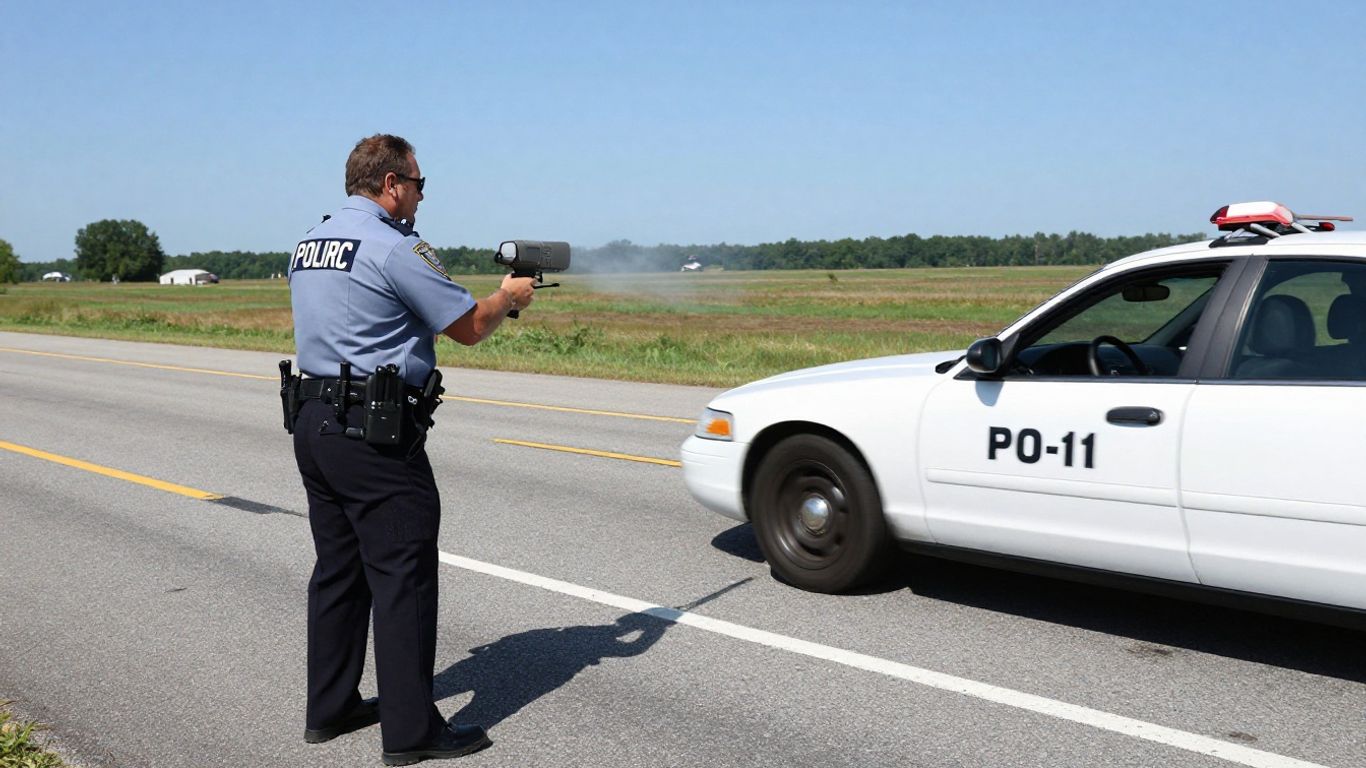
Receiving a speeding ticket in North Carolina can feel like a done deal, but it's not always the end of the road. You have options, and understanding them is the first step. Don't just pay the fine without considering the consequences. A conviction can mean points on your license and higher insurance premiums for years.
Understanding Your Ticket Details
Before anything else, take a close look at the ticket itself. What specific offense are you charged with? Note the date, time, and location. Check if the officer noted the method used to determine your speed – was it radar, LIDAR, pacing, or something else? All these details matter when building a defense. Sometimes, simple errors on the ticket can be grounds for dismissal.
Requesting Officer's Notes (Discovery)
In North Carolina, you have the right to request the evidence the state intends to use against you. This process is called discovery. For a speeding ticket, this typically means asking for the issuing officer's notes. These notes might contain details about their observations, the equipment used, and how they conducted the speed measurement. Reviewing these notes can reveal inconsistencies or procedural errors that could help your case. Your attorney can formally request this information on your behalf.
The Value of Legal Counsel
Navigating traffic court can be complex, and the state has the burden of proving your guilt. While you can represent yourself, hiring a qualified attorney can significantly improve your chances of a favorable outcome. An experienced traffic lawyer understands the nuances of speed measurement laws, common defenses, and court procedures. They can identify weaknesses in the prosecution's case, negotiate with the district attorney, and represent you in court, potentially leading to a dismissal or reduction of charges. This can save you money in the long run by avoiding increased insurance rates and potential license suspension. You can explore options with legal counsel to understand the best path forward for your specific situation.
Got a speeding ticket in North Carolina? Don't stress! We can help you fight it, and often, you won't even need to show up in court. Let us handle the legal stuff so you can get back to your life. Visit our website today to learn how we can help you with your ticket.
Know Your Rights When Challenging a Speeding Ticket
Getting a speeding ticket in North Carolina isn't the end of the road. Officers use various methods to clock your speed, from radar and lidar to pacing. Each of these methods has potential weaknesses. Understanding how these devices work and the conditions under which they might be inaccurate is your first step. Whether it's a question of calibration, officer observation, or road conditions, you have the right to challenge the evidence against you. Don't just pay the fine and accept the points on your license. Explore your options, and consider consulting with a legal professional who understands North Carolina traffic law. They can help you build a defense and protect your driving record.
Frequently Asked Questions
How do police officers in North Carolina figure out how fast I'm going?
Police officers in North Carolina use a few main methods to check your speed. They might use radar or LIDAR (which is like a laser gun) to measure your speed from a distance. Another common way is called 'pacing,' where an officer drives behind you, matches your speed, and uses their own speedometer to estimate how fast you're going. Sometimes, they also rely on their own observations of how fast your car appears to be moving.
Can I challenge the speed measurement if I think it's wrong?
Yes, you absolutely can challenge the speed measurement if you believe it was inaccurate. Each method police use has potential issues. For example, radar and LIDAR devices need to be properly calibrated and maintained. Pacing can be tricky if the officer doesn't keep a steady distance or if road conditions make it hard to judge speed accurately. Your ticket or notes from the officer might tell you how they measured your speed, which is a good starting point for a challenge.
What are the main problems with radar and LIDAR speed readings?
Radar and LIDAR devices are generally reliable, but they aren't perfect. For these devices to be accurate, they must be regularly checked and calibrated to ensure they're working correctly. Also, the officer using them needs proper training to operate them correctly and interpret the readings. Things like interference from other vehicles or bad weather can sometimes affect the readings, though this is less common with LIDAR due to its focused beam.
How does police 'pacing' work, and what can go wrong with it?
With pacing, an officer tries to drive directly behind your car at a consistent distance and match your speed. They then check their own speedometer. For this to be accurate, the officer needs to maintain that steady distance for a good stretch of road and have a clear view. Problems can arise if the officer is too far back, if the road is curvy or hilly, if there's heavy traffic, or if it's dark, all of which can make it harder to get an accurate speed reading.
What if the officer's observation is the only evidence of my speed?
Sometimes, an officer might issue a ticket based on their own judgment of your speed. This is called subjective observation. You can challenge this by pointing out if conditions might have made it hard for the officer to see clearly, like bad weather or if other cars were around that could have confused their judgment. It's a defense that relies on questioning the officer's ability to accurately judge your speed.
Are there any other defenses besides questioning the speed measurement?
Yes, there are other possible defenses. For instance, if your car's speedometer was faulty and you didn't know you were speeding, that could be a defense. Also, if you were speeding because of a genuine emergency, like needing to get someone to the hospital quickly or to avoid an accident, that might be a valid reason. Issues with road signs, like if they were missing, hidden, or posted incorrectly, can also be a defense.
What does the state need to prove in court for a speeding ticket case?
In North Carolina, the state has the job of proving you were speeding. They must show solid evidence that the method used to measure your speed was accurate and that you were indeed going faster than the limit. This usually involves the officer's testimony, records showing the speed measuring device was calibrated, and sometimes video evidence. If they can't prove it beyond a reasonable doubt, your ticket could be dismissed.
Should I get a lawyer to help fight my speeding ticket?
Hiring a lawyer who specializes in traffic tickets can be very helpful. They understand North Carolina's laws and how police measure speed. A lawyer can review your ticket, gather evidence like the officer's notes, and figure out the best way to challenge the charges. They can represent you in court, which can increase your chances of getting the ticket dismissed or the penalties reduced.
Charged with speeding tickets in NC?
Cotten Firm serves Wake, Johnston, Harnett, Chatham & Orange counties. Sign up online in minutes — we handle the court appearance so you don't have to.
Sign Up Now → Get Started