85 in a 70 in NC: What Changes vs 80 in a 70
Driving just a little faster than the posted limit might seem harmless, but in North Carolina, the difference between going 80 and 85 in a 70 zone can actually matter. You might be wondering what the big deal is, especially with talk of changing speed limits. We're going to break down what these speeds mean under NC law, what could happen if you get caught, and how things are looking for future speed limits.
Key Takeaways
- North Carolina has both basic speed limits, which depend on road conditions, and absolute speed limits, which are fixed numbers you can't exceed.
- Driving 85 in a 70 mph zone is a more significant violation than driving 80 in a 70 mph zone.
- Exceeding the speed limit by 15 mph or more over the limit in NC can lead to points on your license, potential suspension, and increased fines.
- There have been legislative proposals, like House Bill 112, to potentially raise the maximum speed limit on certain NC highways from 70 mph to 75 mph.
- Higher speeds generally increase the risk and severity of car accidents, though they can also offer economic benefits like reduced travel times.
Understanding North Carolina Speed Laws
Basic Speed Limits Versus Absolute Speed Limits
In North Carolina, traffic laws recognize two main types of speed limits: basic and absolute. It's important for you to know the difference because they affect how you're expected to drive and when you might be cited.
- Basic Speed Limits: These aren't posted with a specific number. Instead, they require you to drive at a speed that is reasonable and prudent for the current conditions. Think about weather, traffic, visibility, and the condition of the road itself. Driving too fast for conditions, even if you're under the posted limit, can still lead to a ticket.
- Absolute Speed Limits: These are the posted speed limits you see on signs, like 70 mph on a highway. If you exceed this posted limit, you are breaking the law. Exceeding an absolute speed limit is a direct violation.
Current Maximum Speed Limits in North Carolina
Currently, the highest speed limit you'll find on North Carolina highways is 70 mph. This limit is typically applied to certain interstate highways and other major roadways where conditions allow for higher speeds. However, the state is considering changes that could raise this maximum.
The Impact of Speeding Tickets in NC
Getting a speeding ticket in North Carolina is more than just paying a fine. In this state, paying a ticket is treated as a guilty plea. This means it goes on your driving record and can affect your insurance rates. Common violations include speeding, running red lights, and driving without a valid license. It's always best to understand the exact charge against you before deciding how to handle it. For instance, receiving a speeding ticket in Garner, NC, carries specific implications you should be aware of.
The Significance of Exceeding the Speed Limit
Driving 85 in a 70 Zone
When you're driving 85 miles per hour in a zone where the posted speed limit is 70 mph, you're going 15 mph over the limit. This isn't just a minor infraction; it's a significant increase that can have real consequences. In North Carolina, exceeding the speed limit by this much can trigger more serious penalties than a smaller violation. It means you're not just a little bit fast, you're substantially faster than what's deemed safe for that particular stretch of road.
Driving 80 in a 70 Zone
Driving 80 mph in a 70 mph zone is also 10 mph over the limit. While it might seem like a small difference compared to 85 mph, it's still a notable speed. The law often draws lines, and being 10 mph over can still lead to points on your license and fines. The exact penalties can depend on the specific circumstances and the officer issuing the ticket, but it's definitely a violation that warrants attention.
The Legal Threshold for Enhanced Penalties
North Carolina law has specific thresholds that determine when a speeding violation becomes more serious. Generally, exceeding the posted speed limit by 15 mph or more is where you start seeing enhanced penalties. This means that going 85 in a 70 zone crosses that line. It's not just about how fast you're going, but how much faster you are compared to the posted limit. This threshold is important because it signals to law enforcement and the courts that the driver's speed poses a greater risk. For instance, a bill has been proposed to raise the threshold for more serious charges from 80 mph to 85 mph on highways, showing how these numbers are debated and adjusted. Understanding this threshold is key to knowing what to expect if you're pulled over for speeding.
- 15 MPH Over the Limit: This is often the trigger for points on your driving record.
- Higher Speeds: Speeds significantly above the limit can lead to increased fines and potentially more severe consequences.
- Specific Roadways: Laws can differ slightly depending on whether you're on an interstate, a state highway, or a local road.
The difference between driving 80 and 85 in a 70 zone might seem small, but it can mean the difference between a standard ticket and one that carries more significant penalties. It's about crossing a legal line that triggers a more serious response from the state's traffic laws.
Consequences of Speeding 15 MPH Over Limit
Points on Your North Carolina Driving Record
When you are caught speeding 15 mph or more over the posted limit in North Carolina, you can expect to see points added to your driving record. These points are assigned by the North Carolina Department of Motor Vehicles (DMV). Accumulating too many points can lead to serious trouble, including the suspension of your driver's license. For instance, if you rack up 7 points within a three-year period, your license could be taken away. The number of points varies based on how far over the speed limit you were driving. Going 1-10 mph over adds 1 point, but 11-20 mph over adds 2 points. Anything 21 mph or more over the limit adds 3 points. It's a system designed to track repeat offenders and encourage safer driving habits.
Potential for License Suspension
As mentioned, accumulating points on your driving record is a direct path to potential license suspension. North Carolina law is clear on this: seven points within three years is the threshold for suspension. This isn't just a minor inconvenience; it means you would be legally prohibited from driving. The duration of the suspension can vary depending on the number of points accumulated and any prior offenses. It's a significant penalty that can impact your job, your family, and your daily life. You can check your current point total on the NC DMV website to stay aware of your standing.
Fines Associated with Speeding Violations
Beyond points and potential license suspension, speeding tickets come with financial penalties. The fines themselves can range from $10 to $50, depending on your speed. However, this is often just the beginning of the costs. You'll likely face additional court fees and state surcharges that can significantly increase the total amount you owe. Furthermore, a speeding conviction, especially for going 15 mph or more over the limit, almost always leads to higher car insurance premiums. These increases can be substantial, often ranging from 15% to 50% or more, and can last for several years, making the true cost of a speeding ticket much higher than the initial fine. It's important to consider these long-term financial implications when deciding how to handle a citation.
Driving 15 mph or more over the speed limit in North Carolina triggers a more serious response from law enforcement and the DMV. It's not just about the immediate fine; it's about the lasting impact on your driving record, your insurance rates, and the potential loss of your driving privileges.
Here's a breakdown of how points can add up:
- 1-10 MPH over the limit: 1 point
- 11-20 MPH over the limit: 2 points
- 21+ MPH over the limit: 3 points
Remember, these points are cumulative over a three-year period. Getting a ticket for driving 85 in a 70 zone, for example, would likely fall into the 11-20 MPH category, adding 2 points to your record. If you were going 90 in a 70, that's 20+ MPH over, adding 3 points. This is why understanding the specific speed difference is so important when assessing the consequences of a speeding violation.
North Carolina's Proposed Speed Limit Adjustments

North Carolina has seen discussions about potentially increasing speed limits on some of its highways. Currently, the highest speed limit allowed by law is 70 mph. However, there's been legislative action, notably House Bill 112, which proposes allowing the North Carolina Department of Transportation (NCDOT) to raise the maximum speed limit to 75 mph on certain interstate highways. This change wouldn't mean all roads would immediately jump to 75 mph, but it would open the door for such increases on stretches where conditions permit, like parts of I-95, I-40, and I-87.
Impact on Interstate Highways
If House Bill 112 becomes law, the NCDOT would gain the authority to increase speed limits on specific interstate segments. This could affect major routes where 70 mph is currently the maximum. The goal is to align with other states that have higher speed limits, potentially improving travel times. However, this also brings up safety considerations.
The Role of the NC Department of Transportation
The NCDOT would be the agency responsible for deciding where and if to implement higher speed limits under the proposed legislation. They would evaluate specific highway sections to determine if a 75 mph limit is appropriate. This decision-making process would likely involve traffic studies and safety analyses to balance efficiency with public safety.
The debate over raising speed limits involves weighing potential economic benefits, like reduced travel times for individuals and commercial transport, against the increased risks of more severe crashes and potential fatalities. Studies suggest that even small increases in speed limits can lead to a notable rise in traffic fatalities. Therefore, any adjustments require careful consideration of this trade-off.
Here's a look at how North Carolina's proposed limits compare to some other states:
| State | Current Max Rural Interstate | Proposed NC Max Interstate |
|---|---|---|
| North Carolina | 70 mph | 75 mph (proposed) |
| Texas | 75-85 mph | N/A |
| Arizona | 75 mph | N/A |
| Oklahoma | 75-80 mph | N/A |
It's important to remember that even with potential increases, driving significantly over the posted limit, such as 85 in a 70, can still lead to enhanced penalties. Understanding these nuances is key when you're on the road. For more information on how traffic laws are enforced, you might want to look into speeding ticket consequences in Clayton, NC.
Safety Implications of Higher Speeds
Increased Risk of Crashes
When you drive faster, you have less time to react to unexpected situations on the road. This reduced reaction time means a higher chance of getting into an accident. Think about it: if a deer jumps out or a car ahead slams on its brakes, being able to stop or swerve quickly is key. Driving at higher speeds directly cuts down on that critical window of opportunity. Studies have shown that even a small increase in speed limits can lead to a noticeable rise in traffic fatalities. It’s a simple physics problem – more speed equals less control and a greater likelihood of a collision.
Severity of Injuries in High-Speed Collisions
It's not just about whether a crash happens, but how bad it is when it does. The energy involved in a car crash increases dramatically with speed. This means that at higher speeds, the impact forces on both the vehicle and its occupants are much greater. Human bodies aren't built to withstand these kinds of forces. Therefore, crashes that occur at higher speeds are more likely to result in severe injuries, permanent disabilities, or even fatalities. The difference between a fender-bender at 30 mph and a serious wreck at 70 mph is immense.
The Trade-Off Between Speed and Safety
There's often talk about how faster speed limits can save time for drivers and businesses. While that might be true to some extent, it comes at a significant cost. The data consistently shows that as speed limits go up, so does the risk of death and serious injury on our roads. It's a direct trade-off. You might shave a few minutes off your commute, but you're also increasing the odds that a minor mistake could have devastating consequences. Ultimately, the decision to raise speed limits involves weighing potential time savings against the very real possibility of more lives lost or severely impacted.
The kinetic energy of a vehicle is proportional to the square of its speed. This means doubling your speed quadruples the energy involved in a crash. This energy has to go somewhere, and it's usually into deforming the vehicles and injuring the people inside.
Economic Considerations of Speed Limits
Reduced Travel Times for Individuals
When you're behind the wheel, every minute counts, right? Raising speed limits, even by a small amount, can shave time off your commute or longer trips. Think about it: if you're traveling 370 miles on I-40, increasing your average speed from 70 mph to 75 mph could save you about 40 minutes on a one-way trip. That's time you could spend doing something else. This time savings is a direct economic benefit to individuals.
Efficiency Gains for Commercial Transport
For businesses, time is money. Trucks and other commercial vehicles operate on tight schedules. A few extra miles per hour can add up quickly. For that same 370-mile trip on I-40, pushing the average speed from 70 mph to 80 mph could save a truck driver over an hour and 20 minutes on a round trip. This means more deliveries can be made, potentially reducing shipping costs and making goods more affordable.
Balancing Economic Benefits with Safety Concerns
It's not all about speed, though. While faster travel offers economic advantages, you have to weigh that against safety. Studies show that higher speeds can lead to more crashes and more severe injuries. The trade-off is real: quicker trips versus increased risk. It's a complex decision that involves looking at both how fast people and goods can move and the potential cost in terms of accidents and injuries. You can find more information on how speeding tickets are handled in North Carolina here.
The decision to adjust speed limits involves a careful look at potential economic upsides against the undeniable risks to public safety. It's a balancing act that impacts everyone on the road.
Here's a look at how travel times might change:
| Distance | Speed Limit | Average Speed | Time Saved (One Way) |
|---|---|---|---|
| 370 miles | 70 mph | 70 mph | 0 minutes |
| 370 miles | 70 mph | 75 mph | ~20 minutes |
| 370 miles | 70 mph | 80 mph | ~40 minutes |
Comparing Speeding Violations: 85 vs. 80
When you're pulled over for speeding in North Carolina, the specific speed you were traveling versus the posted limit matters. While any speeding ticket can be a hassle, the difference between driving 85 mph in a 70 mph zone and 80 mph in the same zone can have distinct consequences. It's not just about the number; it's about how the law treats those numbers.
How Each Violation is Treated Under NC Law
North Carolina law categorizes speeding violations. Generally, exceeding the speed limit by 15 mph or more can trigger more serious penalties. This means both 85 in a 70 (which is 15 mph over) and 80 in a 70 (which is 10 mph over) are violations, but the former crosses a significant threshold.
- 85 in a 70: This is considered a significant speed violation, 15 mph over the limit. It often falls into a category that law enforcement and courts view more seriously.
- 80 in a 70: This is also a speeding violation, but it's 10 mph over the limit. While still a ticketable offense, it might be treated with slightly less severity than exceeding the limit by 15 mph or more.
The specific speed over the limit is a key factor in how your case is handled.
Potential Differences in Fines and Penalties
Fines in North Carolina are often tied to how far over the speed limit you were traveling. While exact amounts can vary based on the court and specific circumstances, you can expect differences:
| Speed Violation | mph Over Limit | Potential Fine Range (Estimate) | Points on Record | Potential for Enhanced Penalties |
|---|---|---|---|---|
| 85 in a 70 | 15 mph | Higher (e.g., $150-$250+) | Yes (3 points) | Increased likelihood |
| 80 in a 70 | 10 mph | Lower (e.g., $100-$200+) | Yes (2 points) | Less likely |
Keep in mind these are estimates. Fines can increase with prior offenses or if other factors are involved. For instance, receiving a speeding ticket in Benson, NC, can lead to various costs, but options for reduction might exist.
North Carolina law has specific thresholds for speeding violations. Exceeding the speed limit by 15 mph or more often places you in a category where penalties are more stringent. This is a critical distinction when comparing a ticket for 85 in a 70 versus 80 in a 70.
Impact on Driving Record and Insurance
Both violations will result in points added to your North Carolina driving record. However, the number of points can differ:
- 85 in a 70 (15 mph over): Typically results in 3 points on your license.
- 80 in a 70 (10 mph over): Typically results in 2 points on your license.
Accumulating too many points can lead to license suspension. Furthermore, insurance companies use these points to assess your risk. A ticket for 85 in a 70, carrying more points, is more likely to cause a significant increase in your insurance premiums compared to a ticket for 80 in a 70. Some drivers may be able to get tickets reduced to non-moving violations, which can help avoid points and insurance hikes, but this depends heavily on the specifics of the stop and your driving history.
Factors Influencing Speeding Tickets
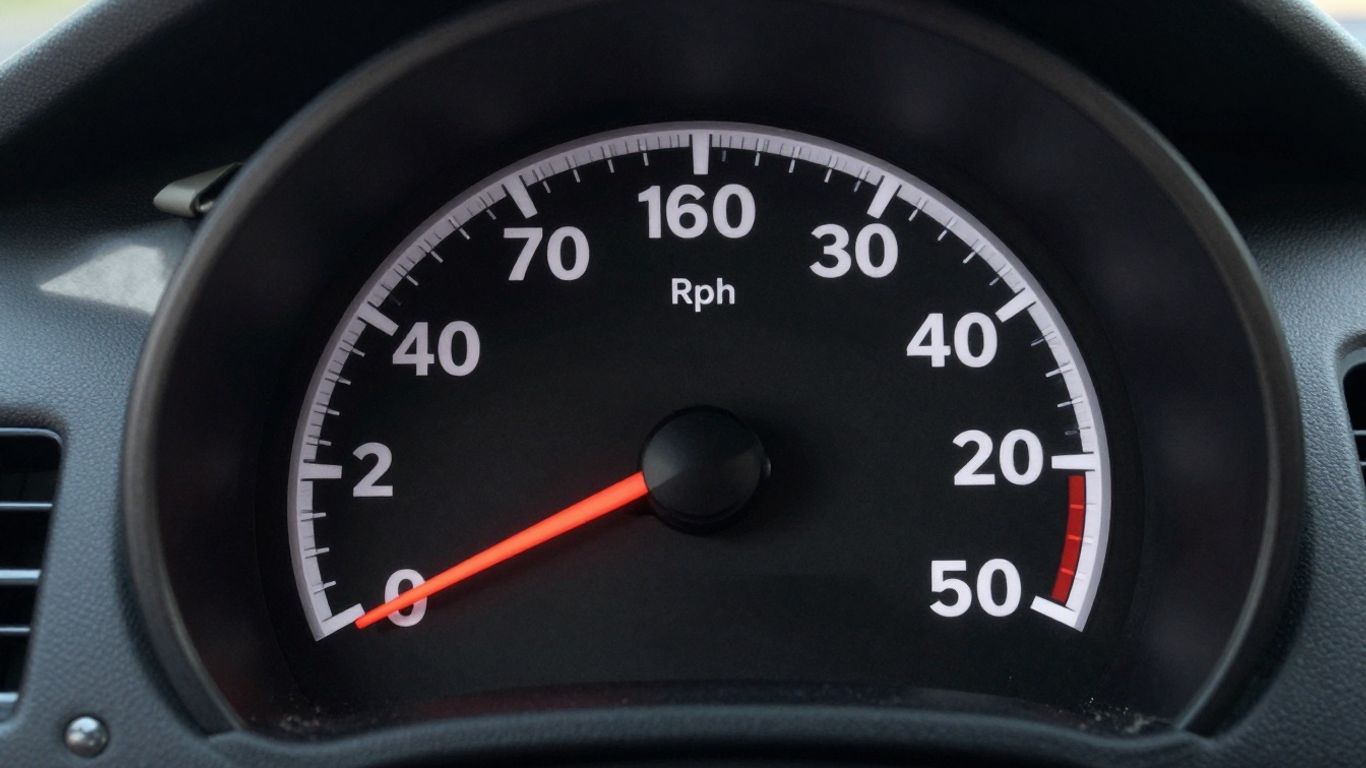
Road Conditions and Basic Speed Limits
When you're driving, you're not just looking at the posted speed limit sign. North Carolina law has what's called a "basic speed rule." This means you can get a ticket even if you're going the posted speed limit, if conditions make it unsafe. Think about driving on a rainy day, or through a construction zone. You're expected to slow down to match the conditions. Ignoring road conditions is just as much a violation as ignoring the posted limit.
Absolute Speed Limits and Enforcement
North Carolina also has "absolute speed limits." These are the numbers you see on the signs, like 70 mph on the highway. If you go over this number, you've broken the law. Enforcement of these limits can depend on a lot of things. Sometimes, officers are looking for specific speed violations, especially in areas where they know people tend to speed. The North Carolina Department of Transportation sets these limits, and they can change based on the type of road and its design.
Driver Behavior and Reaction Time
Your own actions behind the wheel play a big part. How alert are you? Are you distracted? These things affect your reaction time. If you're going faster, you have less time to react to unexpected events, like a car stopping suddenly or an animal running into the road. This is why speeding is so dangerous. It reduces your margin for error. It's not just about the number on the sign; it's about being able to handle whatever the road throws at you. Remember, getting a ticket isn't just about the fine; it's about keeping yourself and others safe on the road. Violations are recorded on your driving record, which can affect your insurance rates and even lead to license suspension if you accumulate too many points receiving a speeding ticket in Fuquay-Varina, NC, carries consequences beyond just a fine.
Speeding tickets aren't just about breaking a number. They're about safety. When you speed, you reduce your ability to react and increase the potential harm if something goes wrong. It's a risk that affects everyone on the road.
Historical Context of Speed Limits in the US
Pre-1995 Federal Speed Limit Restrictions
Before 1995, the United States had a federal restriction that capped the maximum speed limit on all roads at 65 mph. This national standard was put in place to conserve fuel during the energy crisis of the 1970s. It meant that regardless of the road's design or conditions, no state could legally set a speed limit higher than 65 mph. This uniformity, while perhaps simplifying some aspects of national travel, also meant that states couldn't tailor speed limits to their specific highway systems.
State-Level Increases in Maximum Speeds
Once the federal government removed the 65 mph cap in 1995, states began to re-evaluate their own speed limits. Many states saw this as an opportunity to increase limits on their rural interstates and other major highways. This led to a patchwork of different speed limits across the country. Some states opted for modest increases, while others pushed their maximums much higher. For instance, by 2026, a few states have set their highest speed limits at 80 or even 85 mph on certain stretches of highway, though most fall into the 70-75 mph range.
Trends in Speed Limit Adjustments
The trend since 1995 has generally been towards higher speed limits, driven by arguments about efficiency and travel times. However, this trend is not without its critics and concerns. Studies have indicated a correlation between increased speed limits and a rise in traffic fatalities and the severity of injuries in crashes. The debate often centers on balancing potential economic benefits, like reduced travel times for individuals and commercial transport, against the undeniable safety implications of higher speeds. This ongoing discussion influences how states approach setting and adjusting their speed limits today.
Statistical Data on Traffic Fatalities
Speed as a Contributing Factor in Crashes
When you're on the road, it's easy to think that going a little faster won't make a big difference. But the numbers tell a different story. Speed is a major player in traffic fatalities across the country, and especially here in North Carolina. It's not just about getting to your destination quicker; it's about the real-world consequences when things go wrong.
Comparison with Alcohol-Related Fatalities
It's often discussed alongside impaired driving, but speed's role in fatal crashes has been on the rise. While alcohol-related fatalities have stayed relatively steady in recent years, speed-related deaths have seen a significant increase. This trend is concerning and highlights the need to pay attention to how fast you're driving.
Here's a look at the numbers in North Carolina:
| Year | Alcohol-Related Fatalities | Speed-Related Fatalities |
|---|---|---|
| 2018 | 390 | 312 |
| 2019 | 355 | 377 |
| 2020 | 395 | 418 |
| 2021 | 404 | 429 |
| 2022 | 409 | 429 |
It's important to note that these figures might not always capture crashes where both speed and alcohol were factors. The data primarily categorizes based on the primary contributing factor identified.
Demographics of Speeding-Related Deaths
Looking at who is involved in these serious incidents, data shows a pattern. A significant majority of speeding-related traffic deaths involve male drivers. Specifically, there's a high concentration of men under the age of 30 involved in these tragic events. This suggests that younger male drivers may be taking on higher risks when they speed. Understanding these statistics can help us all be more mindful on the road, whether we're driving or just sharing the highway with others. If you've received a speeding ticket, it's wise to understand the potential consequences, which can include points on your driving record.
Studies have indicated that for every 5 MPH increase in a road's speed limit, there can be an 8.5% rise in traffic fatalities. This isn't just a small jump; it's a substantial increase in risk. While faster travel times might seem appealing, the cost in terms of lives lost is a serious consideration. The energy and momentum a vehicle carries at higher speeds dramatically increase the severity of injuries in any collision. It's a trade-off that has significant implications for everyone's safety on our roads.
Did you know that traffic accidents are a major cause of injuries and deaths each year? It's a serious problem that affects many families. If you've been involved in a crash, understanding your rights is important. Learn more about how we can help you navigate the aftermath of a traffic incident. Visit our website today to find out how we can assist you.
Wrapping It Up
So, you've seen how North Carolina's speed limits work and what happens when you go over. Driving 85 in a 70 zone is a bigger deal than 80 in a 70. It's not just about the number; it's about the potential consequences. Remember, North Carolina has specific laws about speeding, and the difference between a few miles over and a lot over can mean different penalties. Always pay attention to the signs and drive smart. It's your responsibility to know the limits and stay safe on the road.
Frequently Asked Questions
What's the difference between basic and absolute speed limits in North Carolina?
In North Carolina, there are two types of speed limits. 'Basic speed limits' mean you should drive at a speed that is safe for the current conditions, like bad weather or heavy traffic. 'Absolute speed limits' are the posted speed limits you see on signs. If you go faster than the posted limit, you can get a ticket, no matter the conditions.
What is the current maximum speed limit in North Carolina?
Right now, the fastest speed limit allowed on most highways in North Carolina is 70 miles per hour. Some specific roads might have different limits, but 70 mph is the general top speed you'll see posted on major roads.
What happens if you are caught driving 15 mph over the speed limit in NC?
If you're caught driving 15 mph or more over the speed limit in North Carolina, you'll likely get points added to your driving record. Too many points can lead to your driver's license being suspended. You'll also have to pay a fine.
Could North Carolina's speed limits change soon?
Yes, there's a bill in the North Carolina House (House Bill 112) that could allow the state to raise the maximum speed limit on some highways to 75 mph. It's still being reviewed, so it's not a done deal yet.
Is driving 85 in a 70 zone much worse than driving 80 in a 70 zone?
Both are speeding tickets, but driving 15 mph over the limit (85 in a 70) is often treated more seriously. It's more likely to result in points on your license. Driving 10 mph over (80 in a 70) is still a violation, but the penalties might be less severe than going 15 mph over.
How do higher speeds affect crash safety?
Driving faster makes crashes more likely and much more dangerous. When you drive faster, you have less time to react to problems on the road. If a crash does happen at a higher speed, the impact is much stronger, leading to more serious injuries or even death.
Are there economic benefits to higher speed limits?
Yes, there can be. Higher speed limits can mean shorter travel times for people and quicker delivery of goods for businesses. For example, a truck could save time on long trips. However, this benefit needs to be weighed against the increased safety risks.
What is the highest speed limit in the entire U.S.?
The highest speed limit in the United States is 85 mph, but this is only on a specific toll road in Texas. Some other states have maximum speed limits of 80 mph on certain highways.
Charged with nc traffic law in NC?
Cotten Firm serves Wake, Johnston, Harnett, Chatham & Orange counties. Sign up online in minutes — we handle the court appearance so you don't have to.
Sign Up Now → Get Started